Non-Pharmacological Interventions and Environment
Sensory approaches, music, aromatherapy, and calming environmental design.
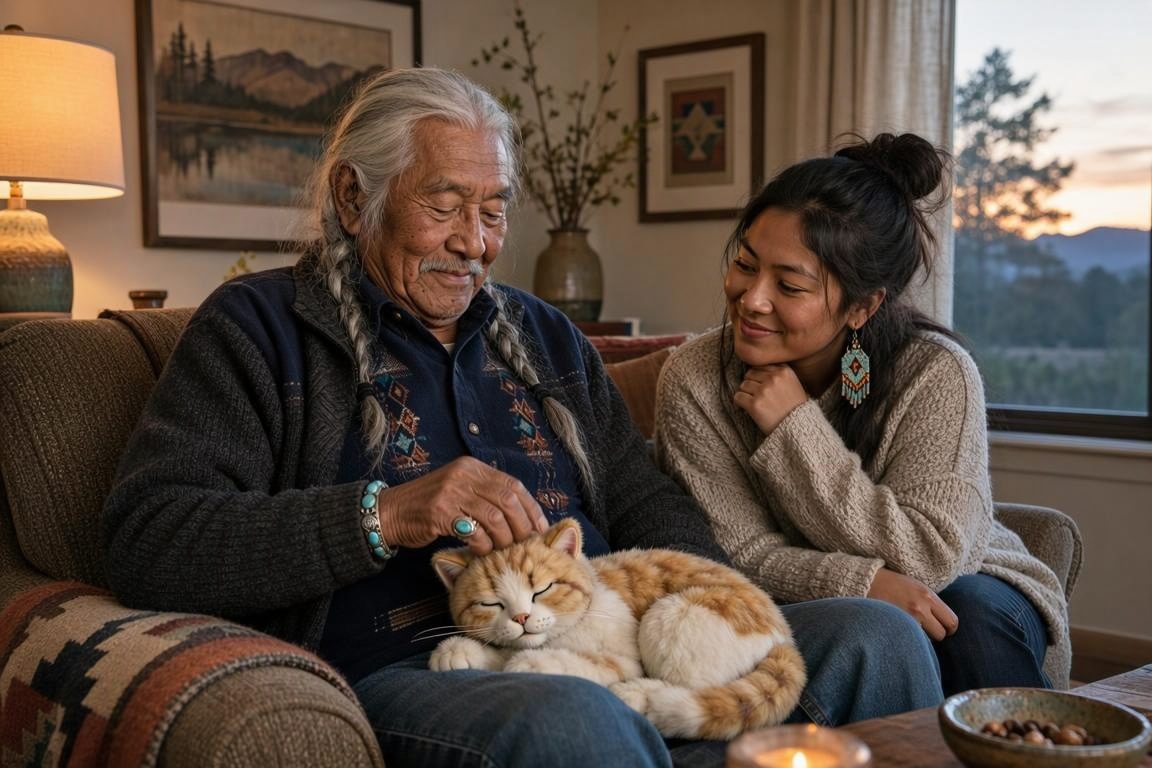
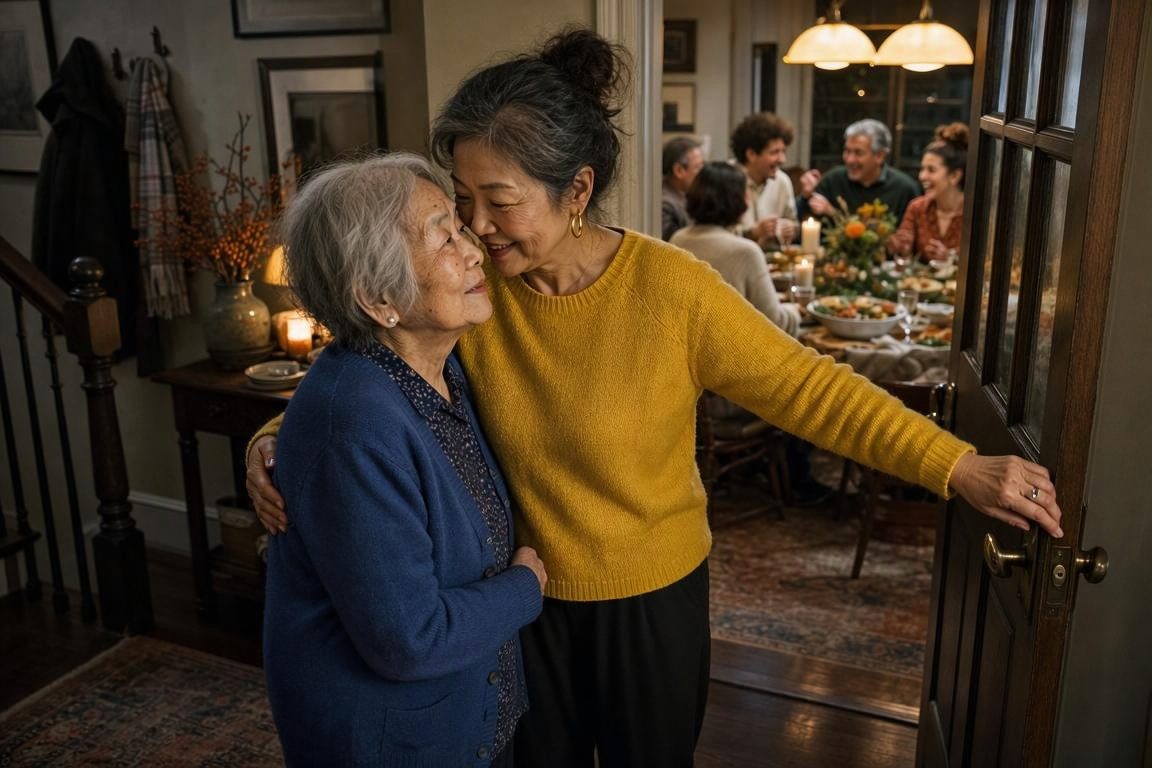
Managing Overstimulation During Holiday Gatherings: A Guide for Dementia Caregivers
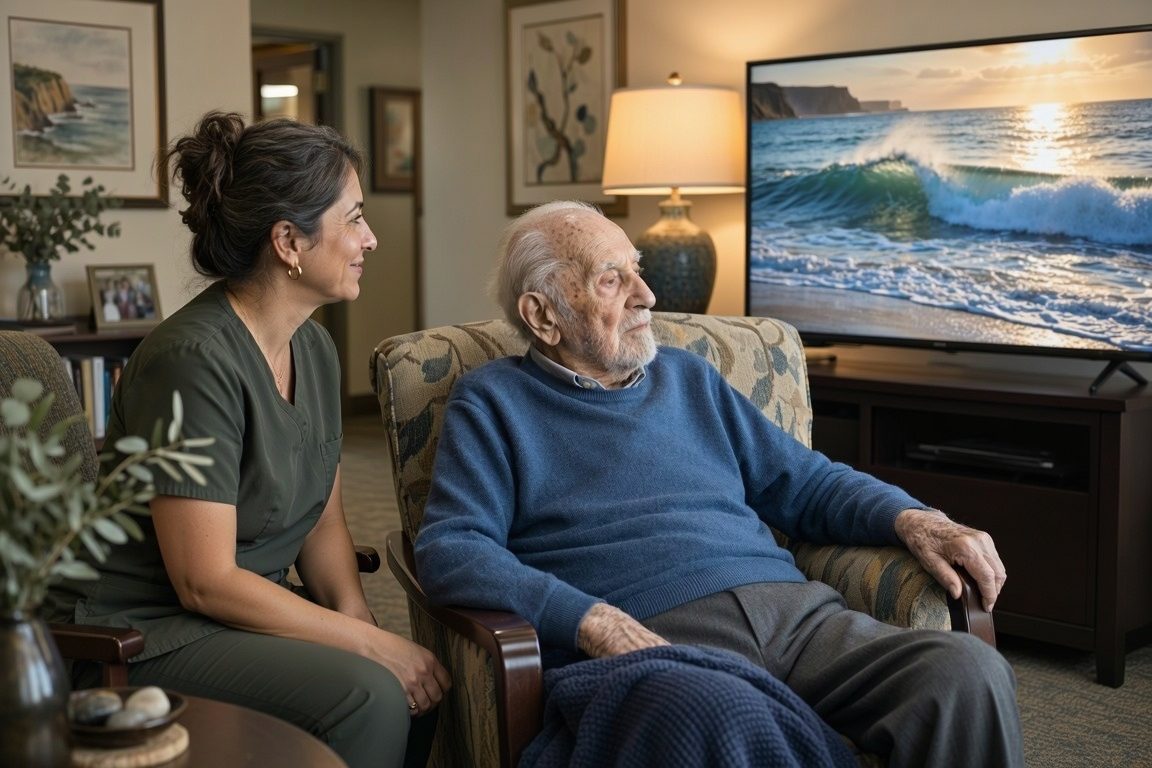
Using Memory Lane TV for One-on-One Calming: A Step-by-Step Guide for Memory Care Staff
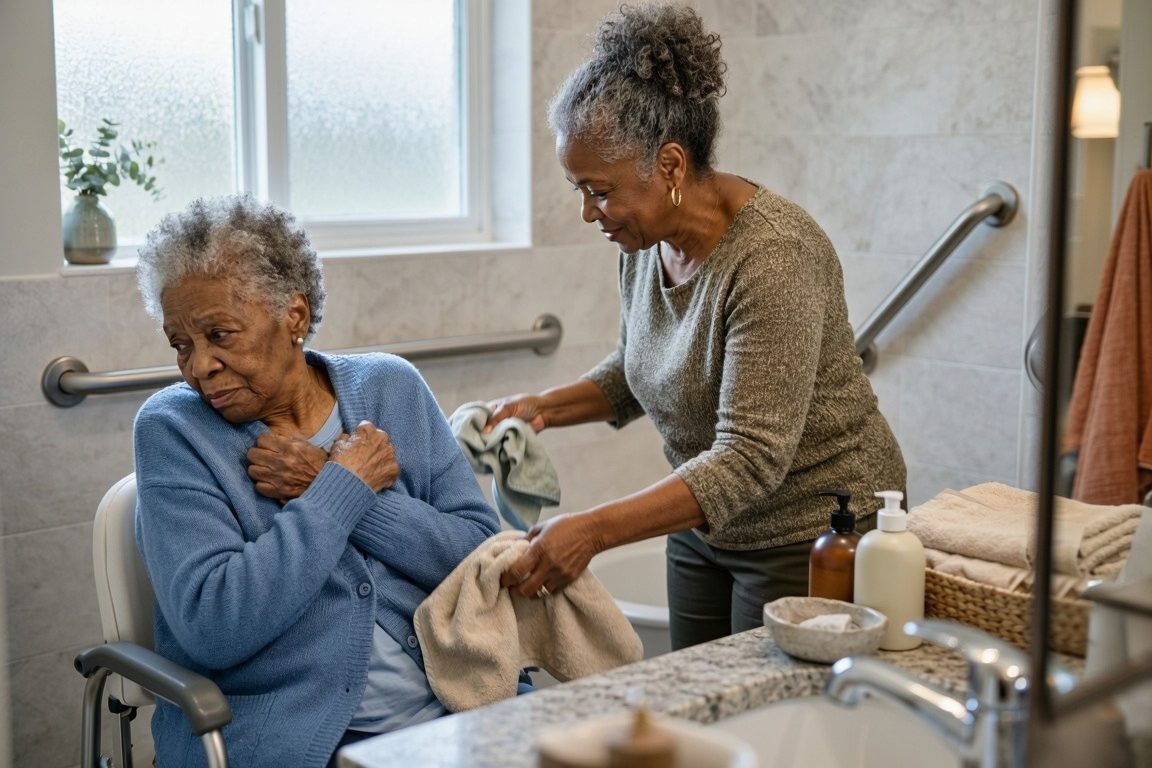
Non-Drug First: Calming Dementia Behaviors Before Reaching for Medication
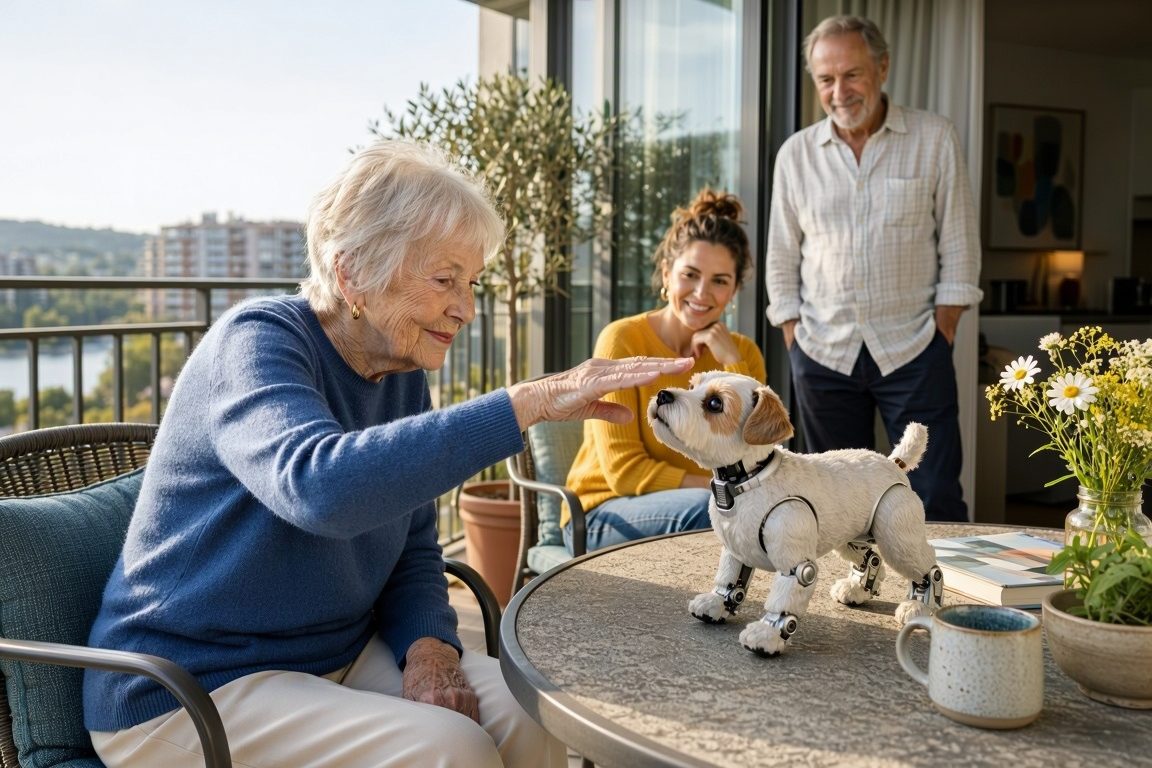
Robotic Pets for Dementia: A Soothing Companion for Loneliness and Anxiety
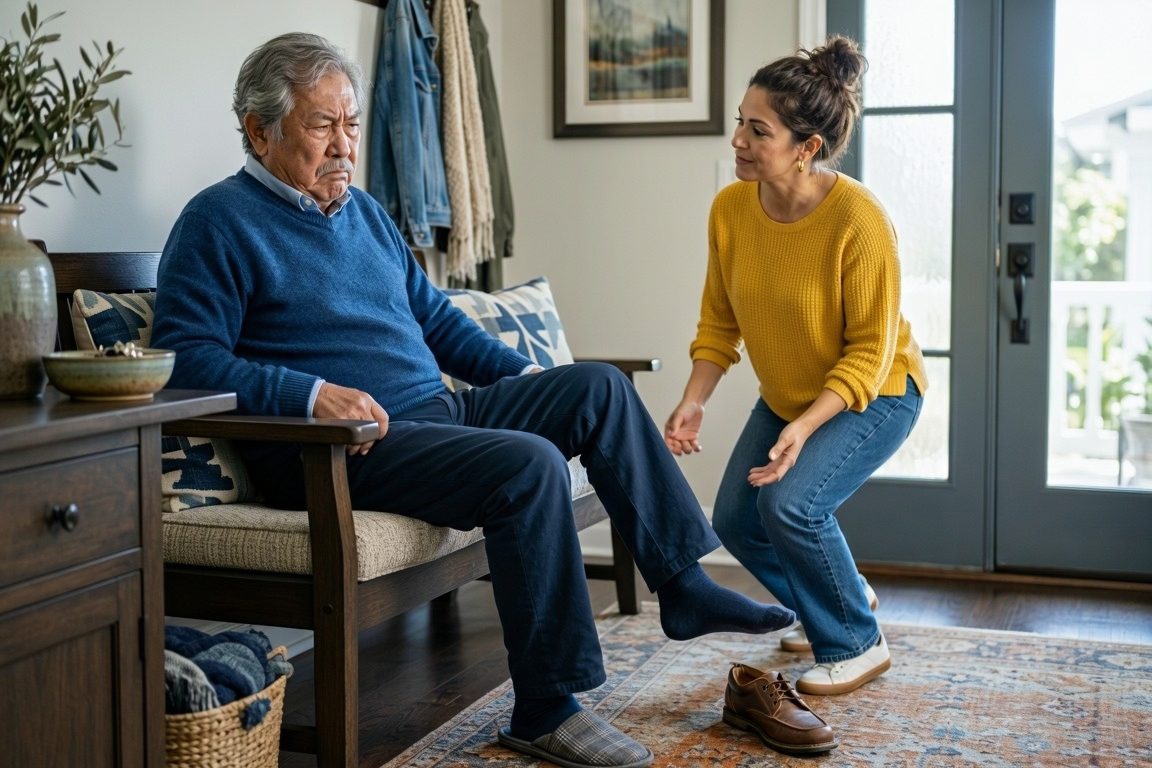
Gentle Alternatives: What to Do Instead of Harmful Responses When Dementia Behaviors Arise
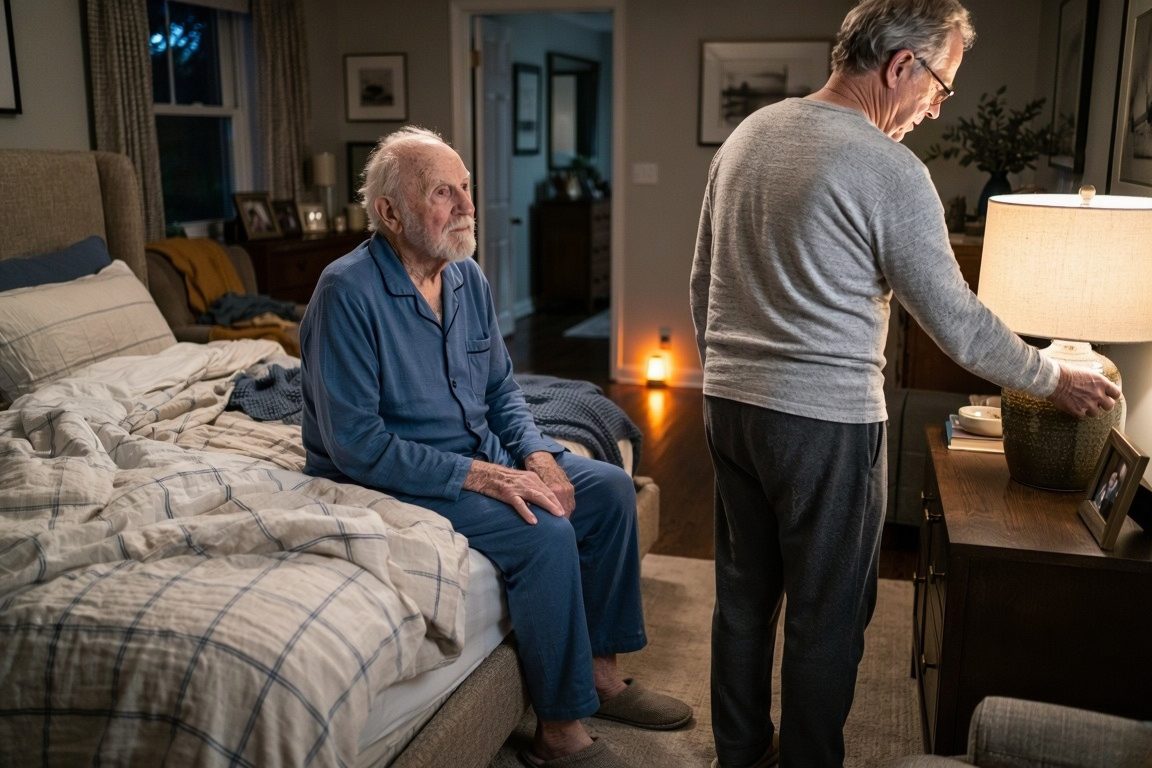
Non-Drug Approaches to Improve Sleep in Dementia: A Practical Guide for Caregivers
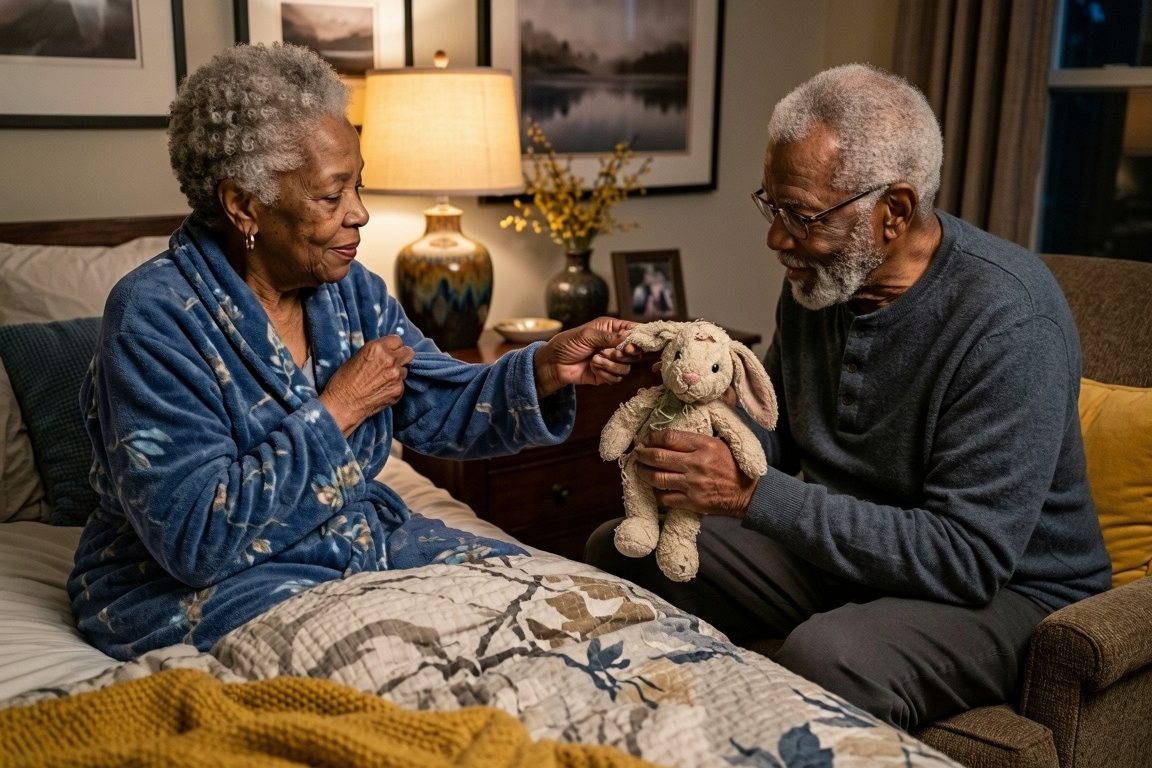
Stuffed Animal Therapy: A Gentle Comfort for Dementia
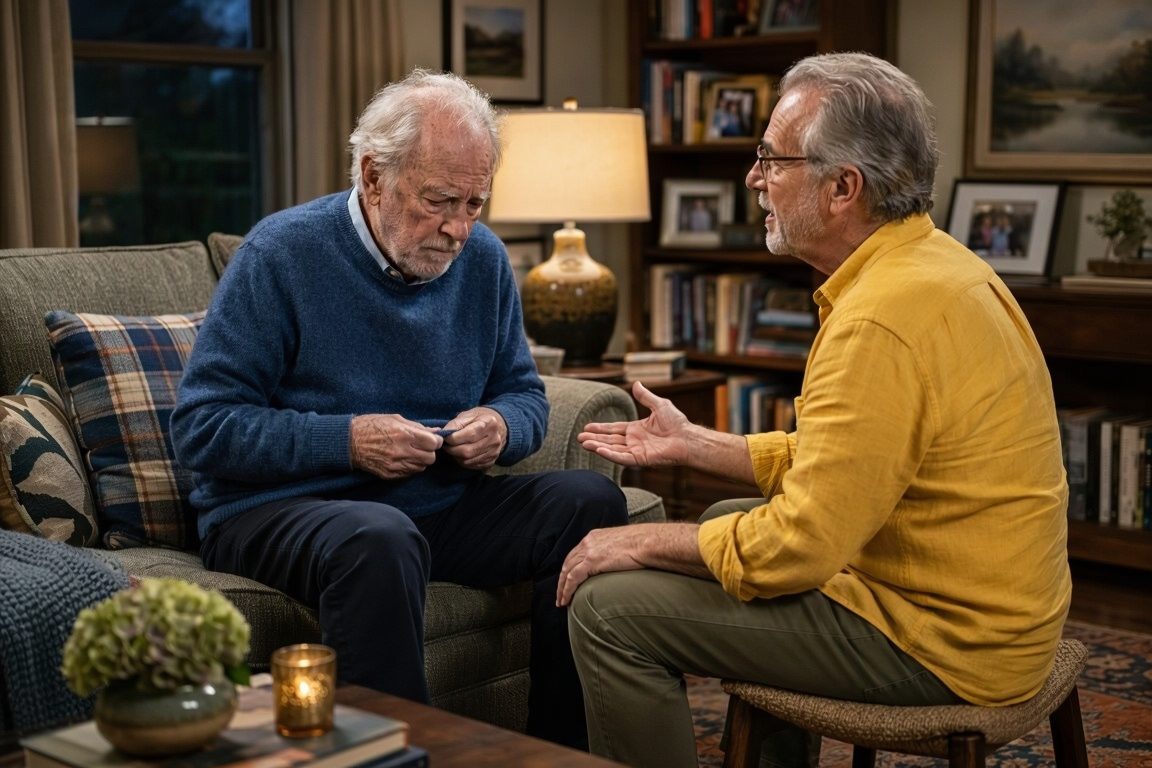
Comforting Techniques for Dementia: A Practical Guide to Reducing Distress
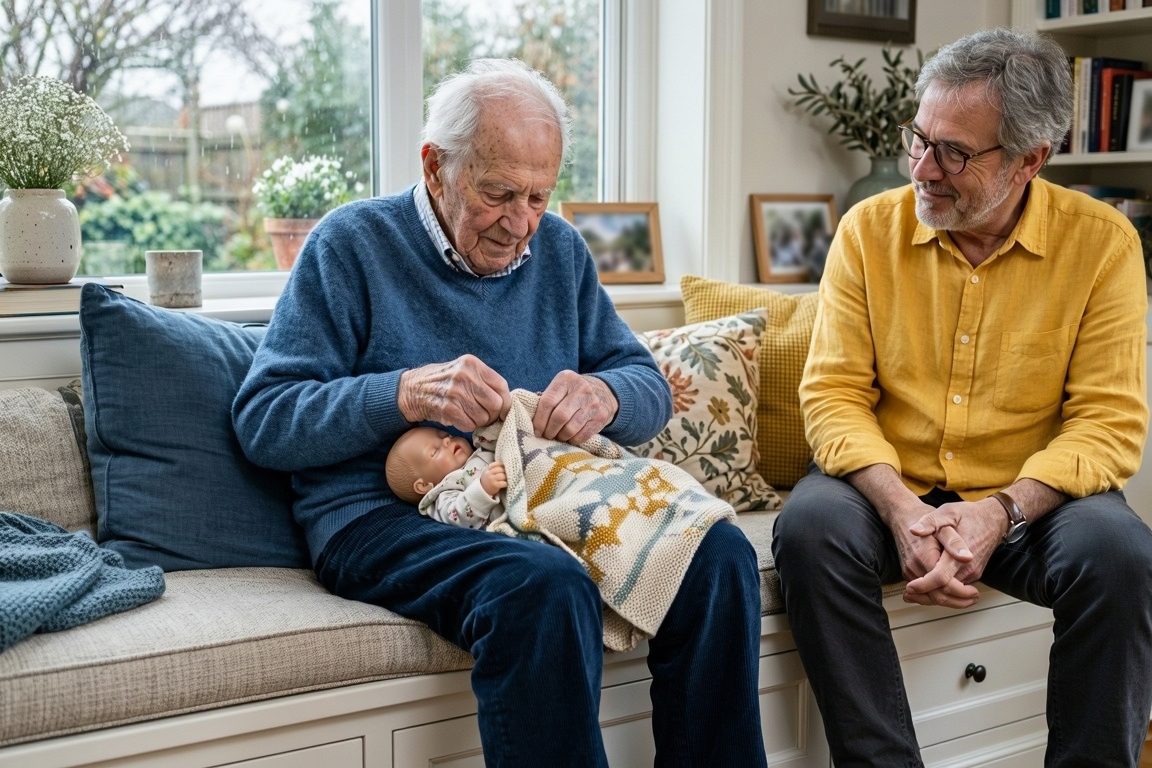
How to Use Baby Doll Therapy to Comfort a Person with Dementia
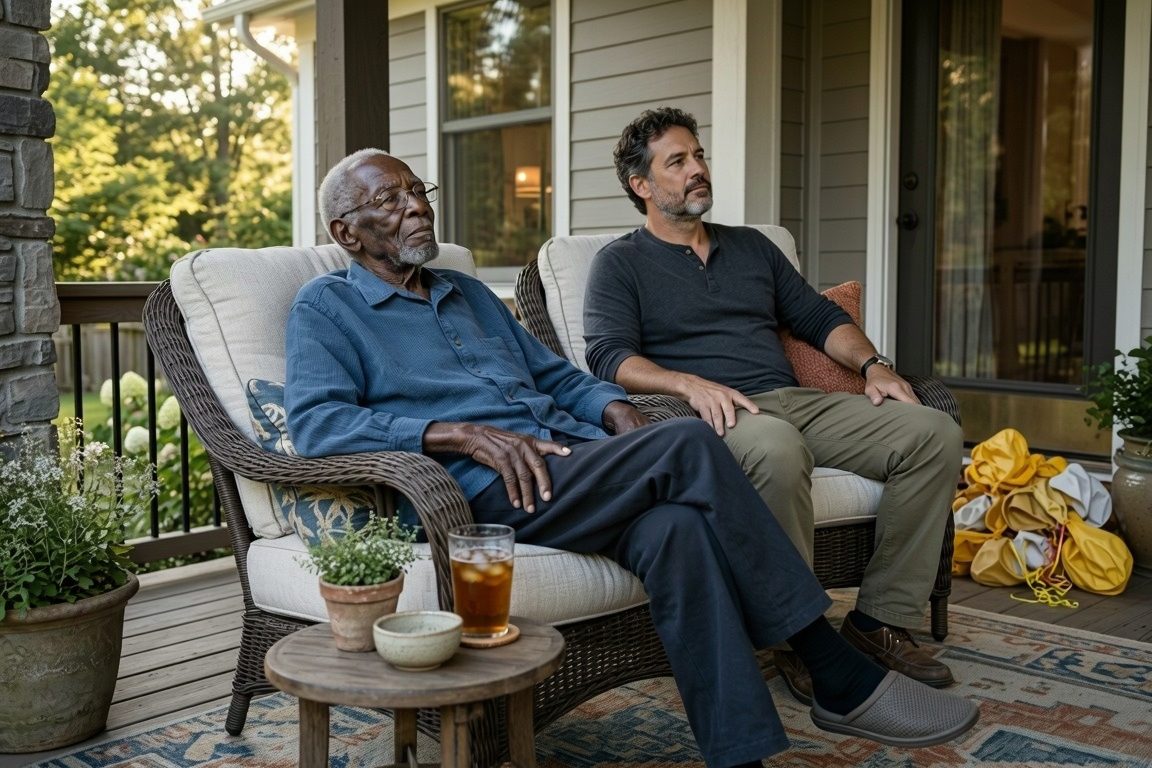
Recovery Time After an Overstimulating Event: What to Expect and How to Help
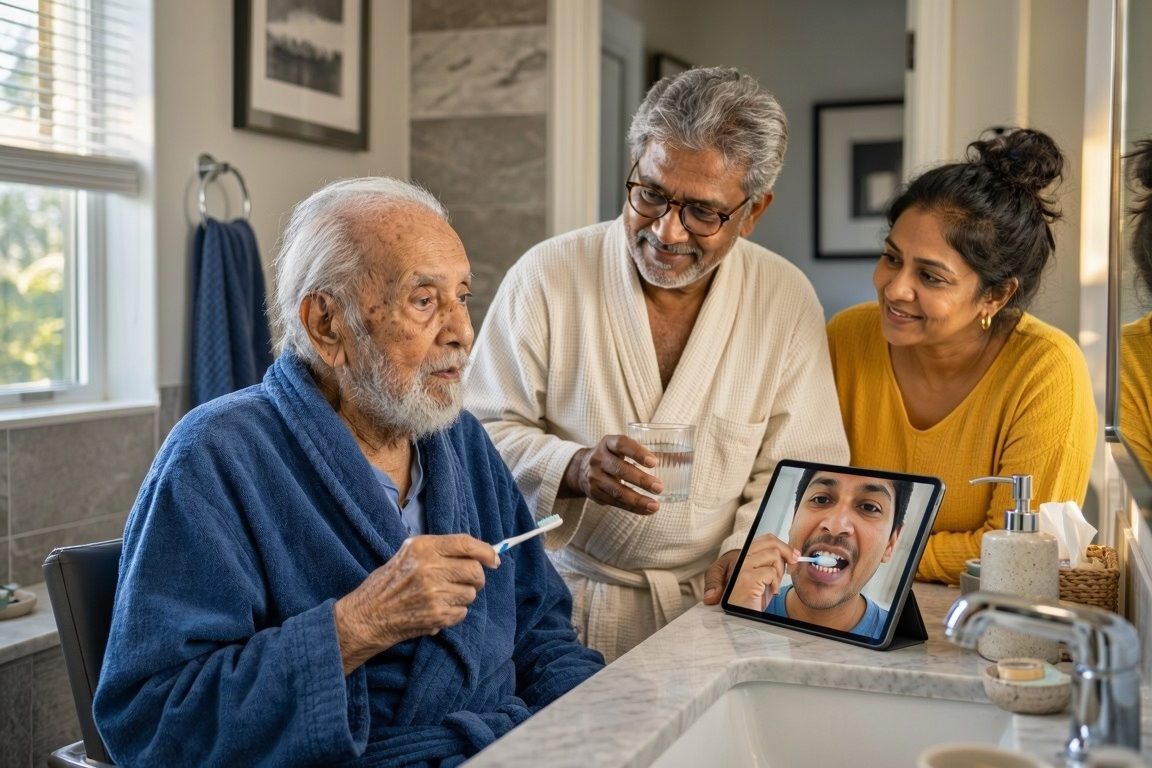
Using Zinnia TV to Calm Agitation and Support Daily Routines in Dementia Care
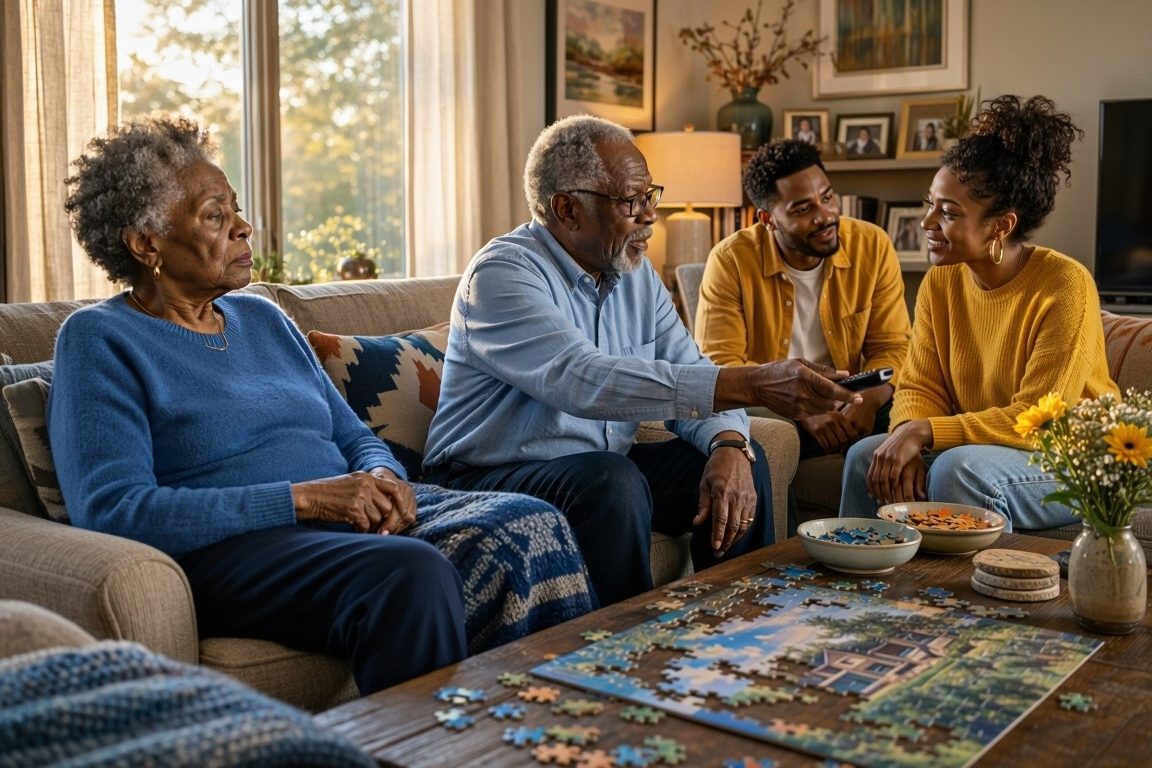
Balancing Beneficial vs. Harmful Stimulation: A Practical Guide for Caregivers
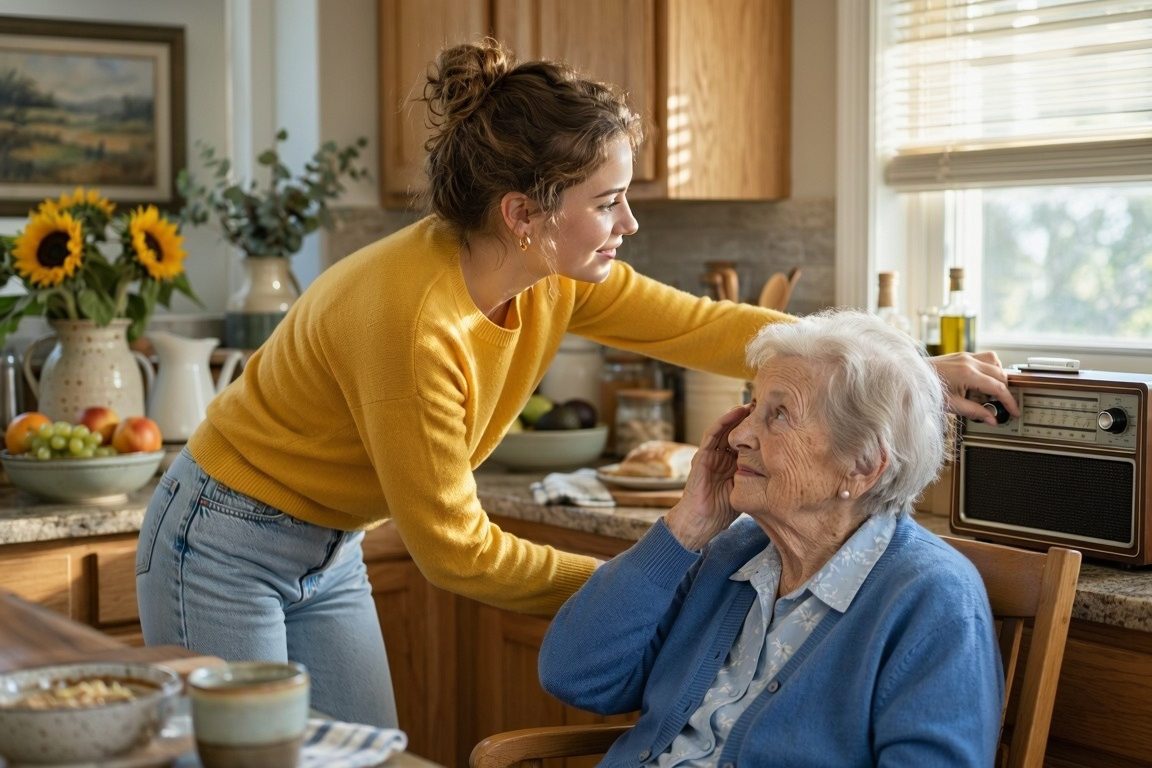
Creating a Calmer Caregiving Environment: Practical Steps to Reduce Distress
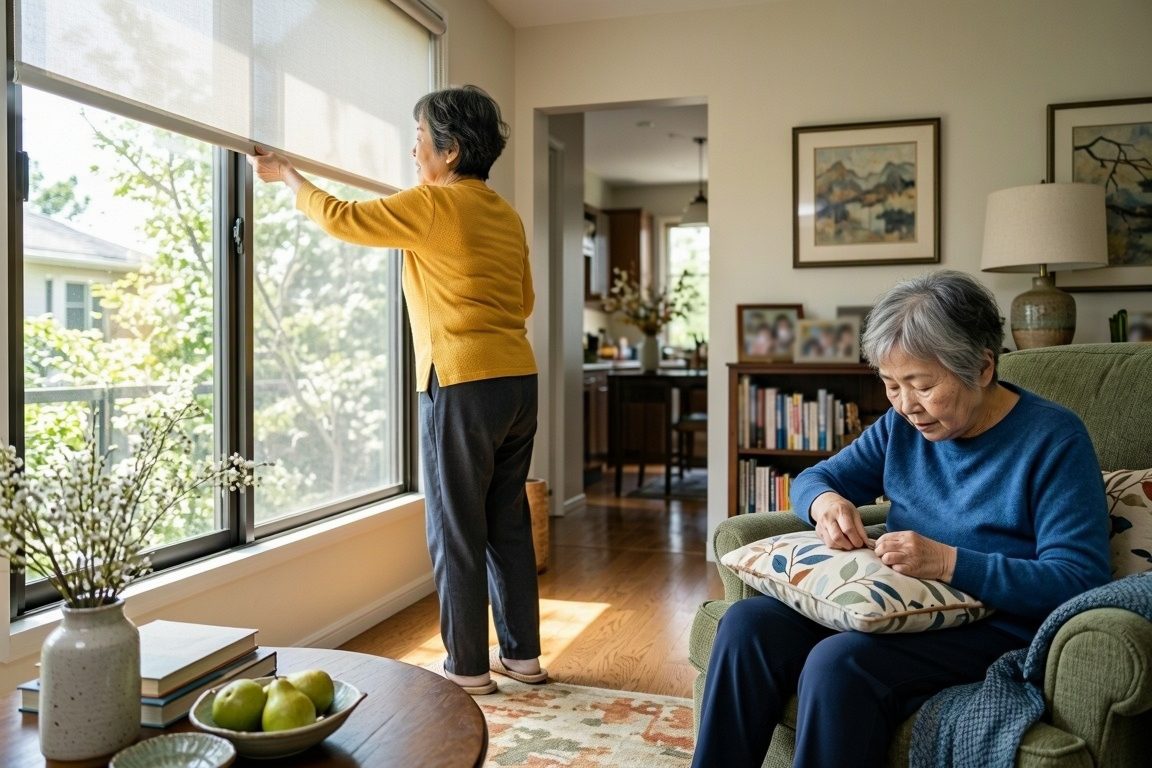
Creating a Calming Environment: Lighting, Color, and Physical Design for Dementia Care
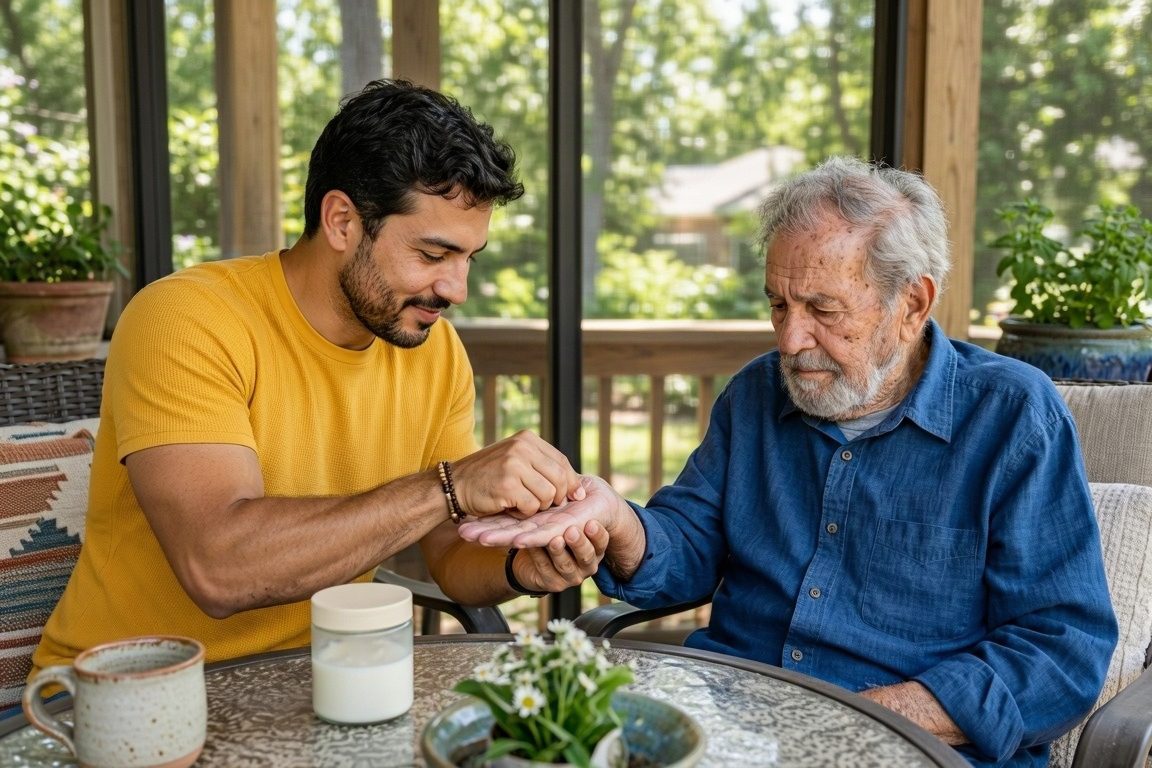
Hand Massage and Therapeutic Touch for Calming Agitation in Dementia
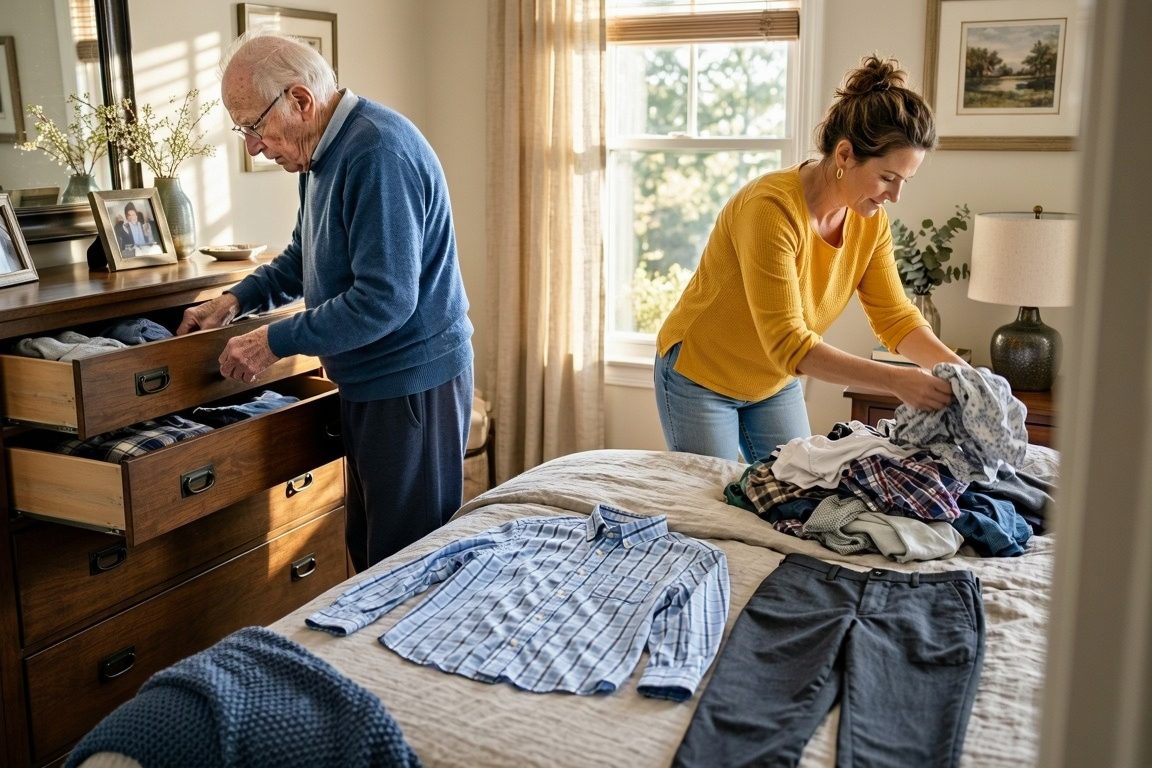
How to Manage Difficult Dementia Behaviors Without Medication: A Guide to Environmental Modification at Home
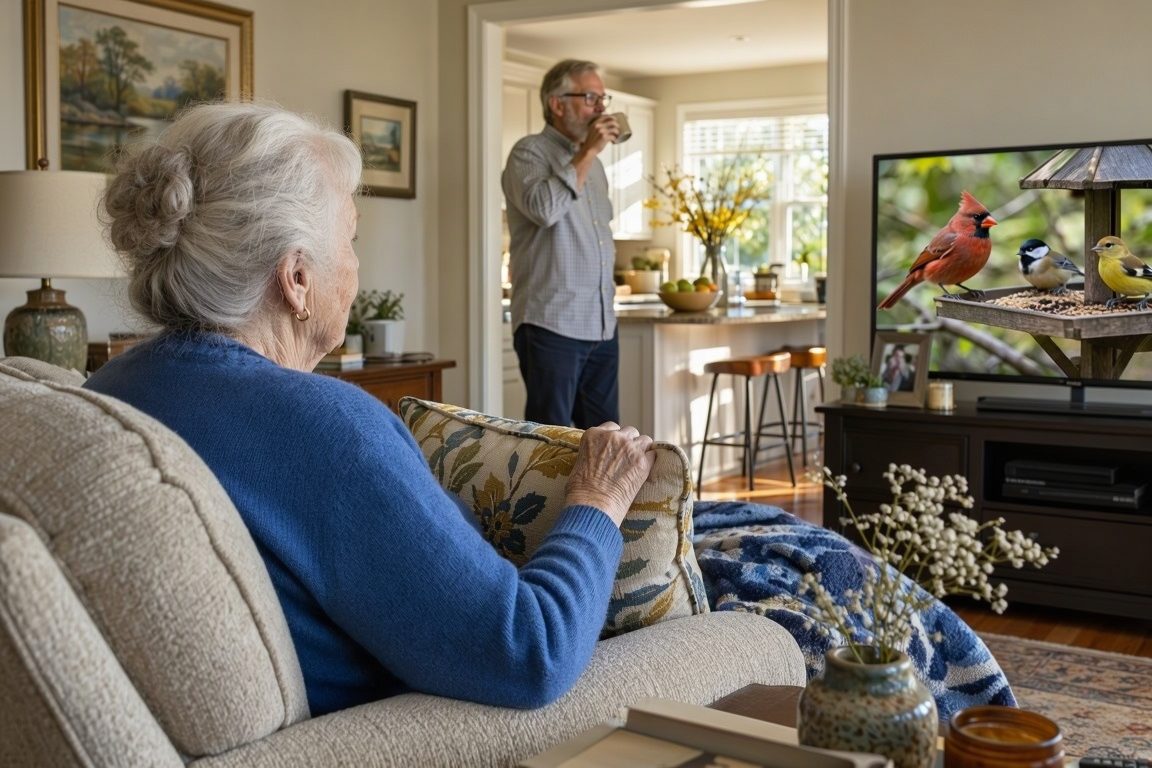
Memory Lane: A Non-Drug Digital Therapy for Dementia That Calms, Connects, and Gives You a Break
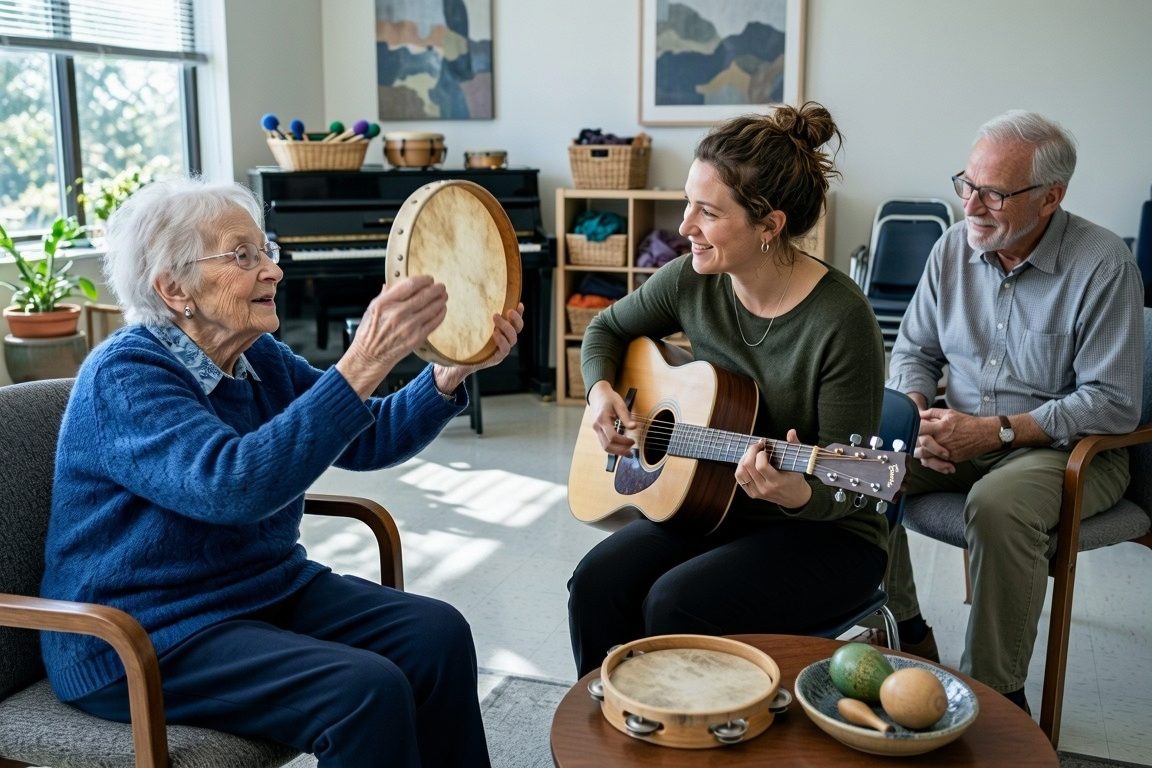
Music Therapy vs. Passive Music Listening in Dementia: A Practical Guide for Family Caregivers
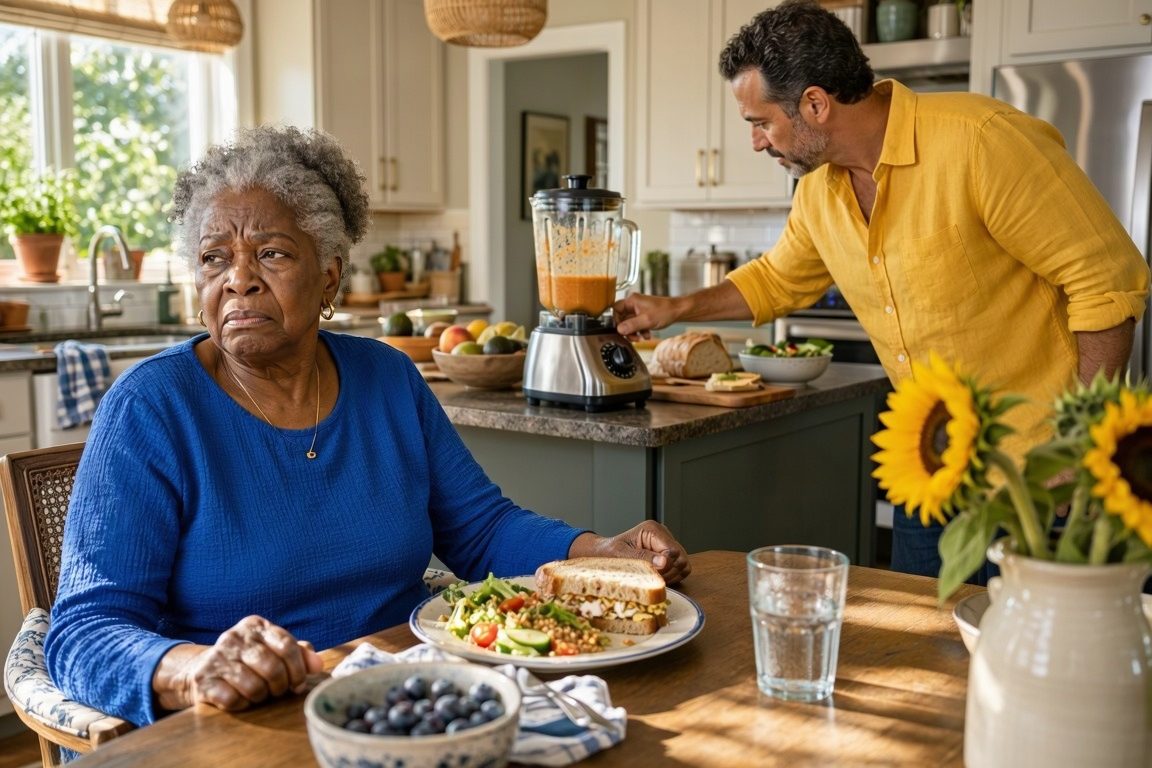
Non-Drug Alternatives to Antipsychotics for Neuropsychiatric Symptoms in Dementia
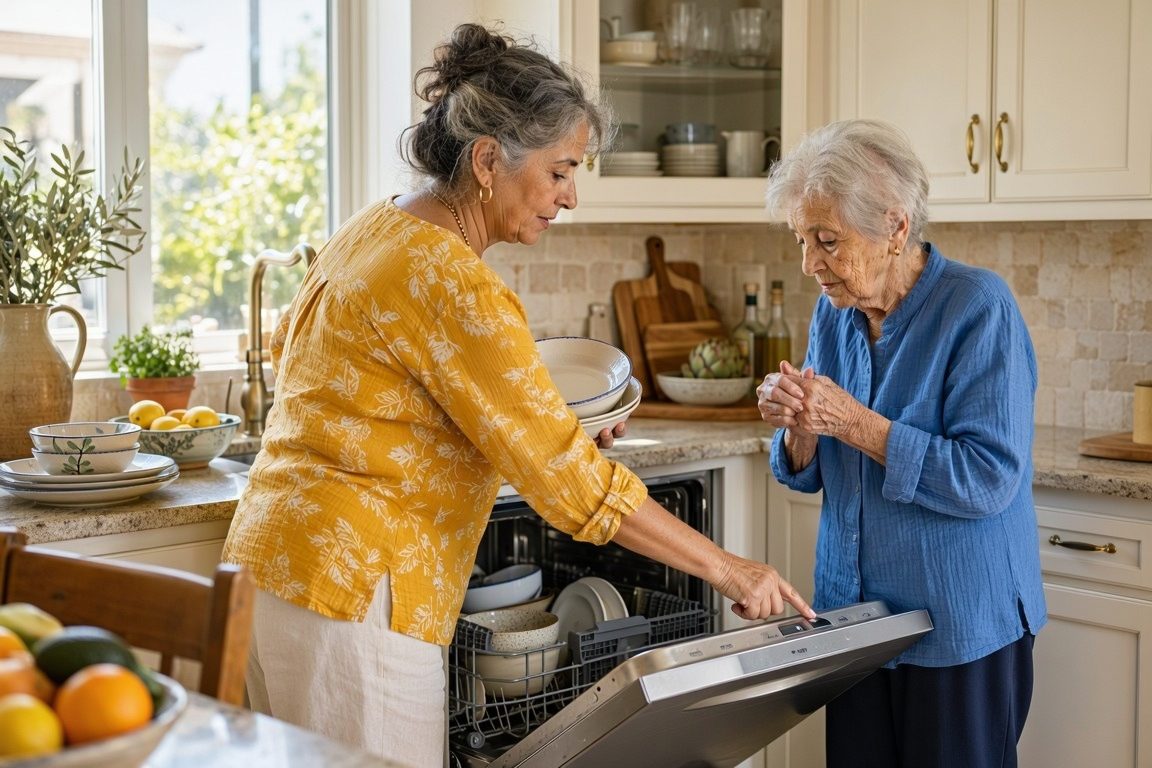
Proactive Caregiving: Preventing Difficult Behaviors Before They Start
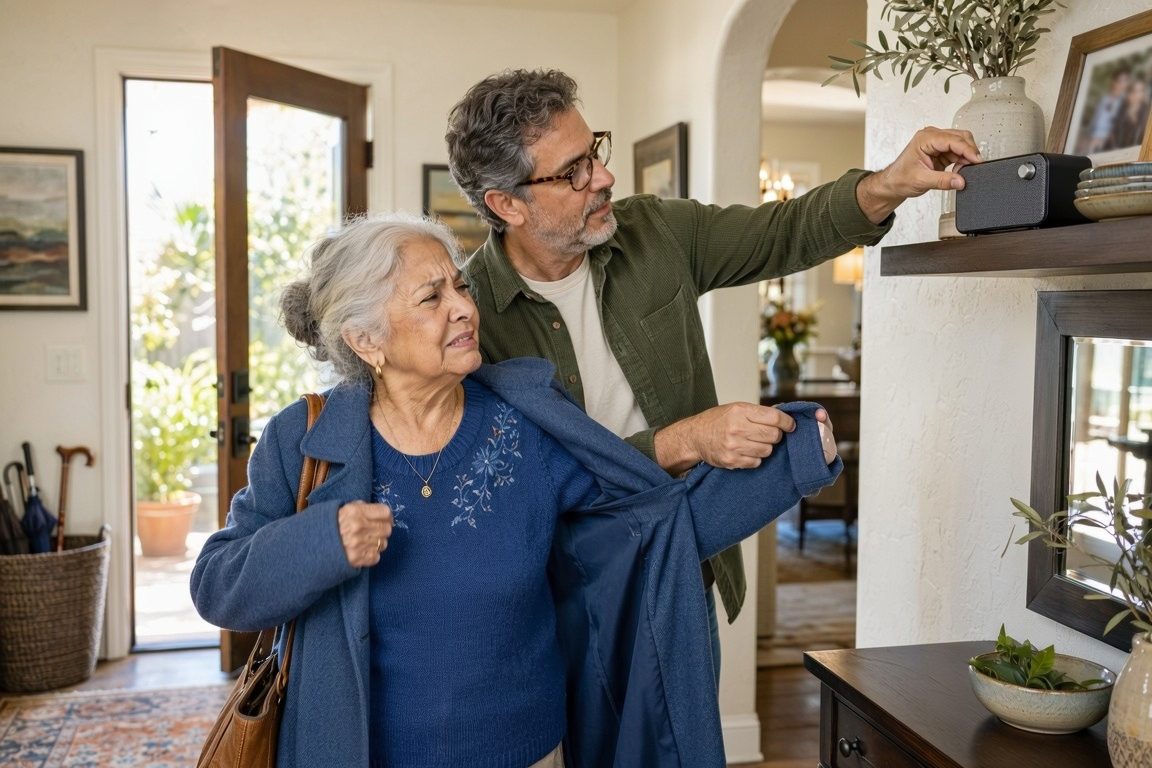
Selecting Music and Music Cautions for Dementia Care