Communication and Responding to Behaviors
Managing challenging behaviors, hurtful comments, refusals, aggression, and using effective language

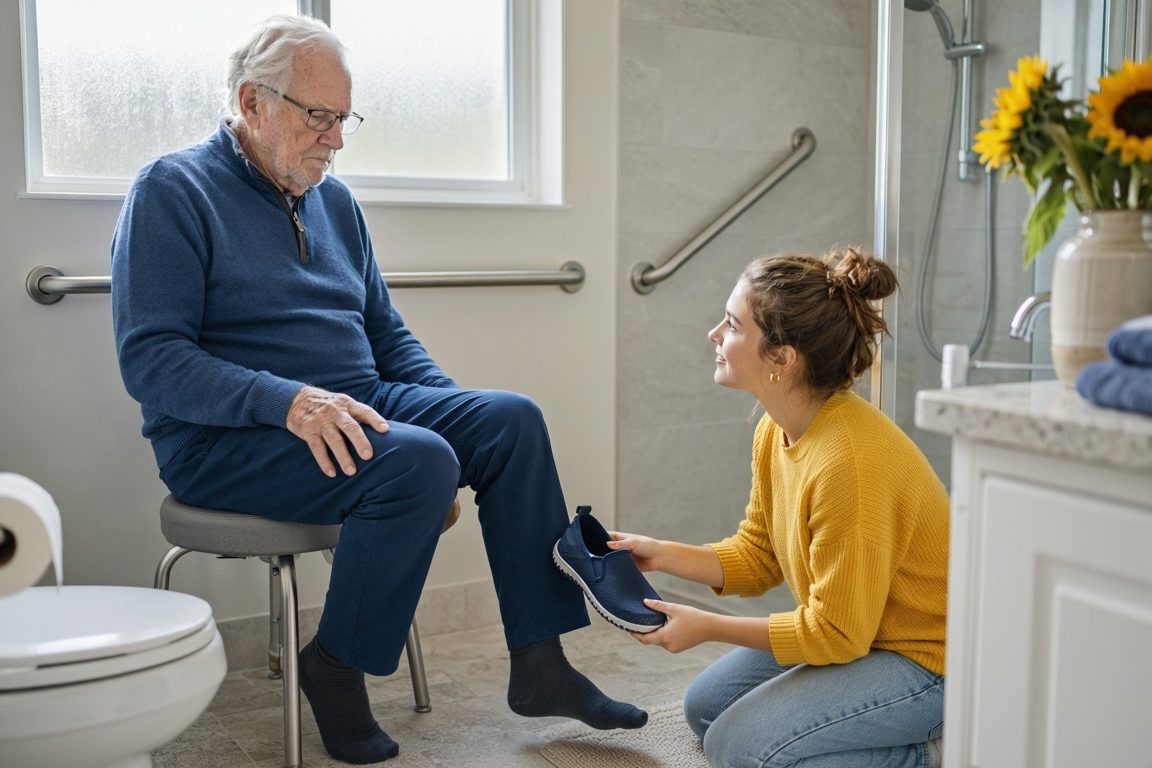
Why Does My Parent with Dementia Refuse Help? Understanding the ‘No’ and Finding a Way Forward

Documenting Dementia Behaviors: How to Prove Symptoms Are Real to Doctors and Family
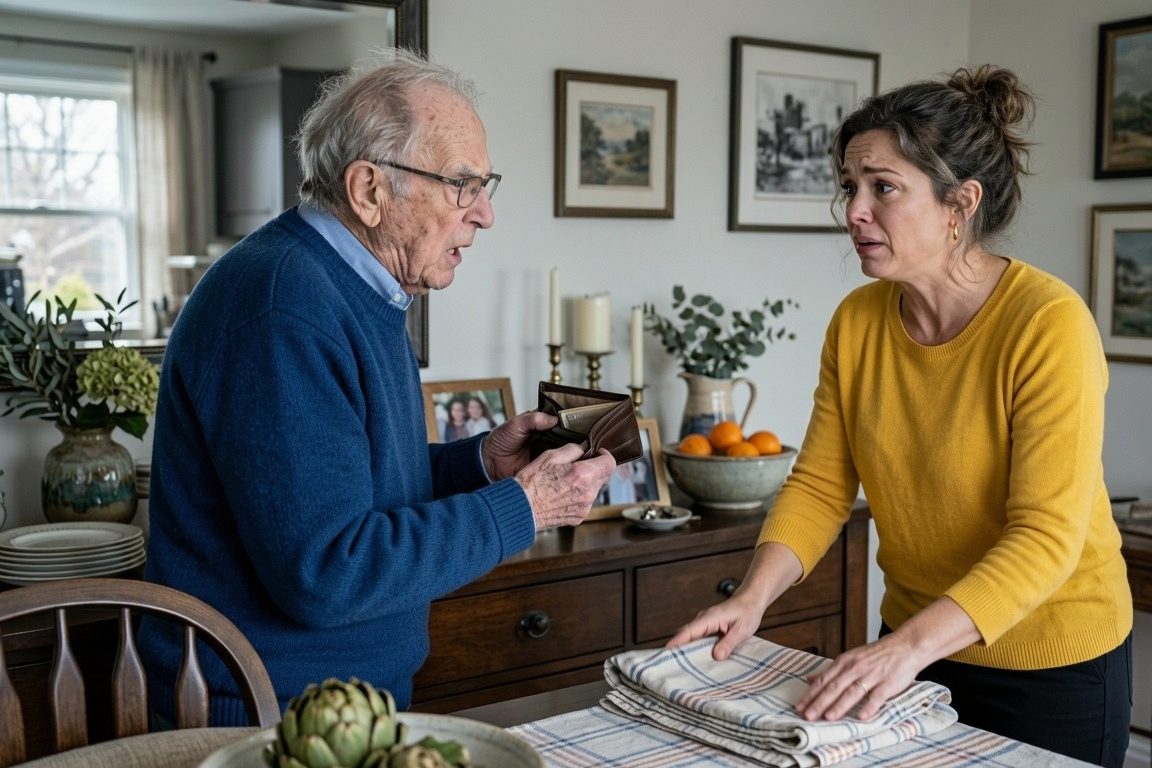
When Words Sting: Responding to Hurtful Comments from Your Loved One with Dementia

Building Trust Between Your Loved One and a New Caregiver

The Five Most Common Dementia Caregiver Mistakes (And How to Avoid Them)
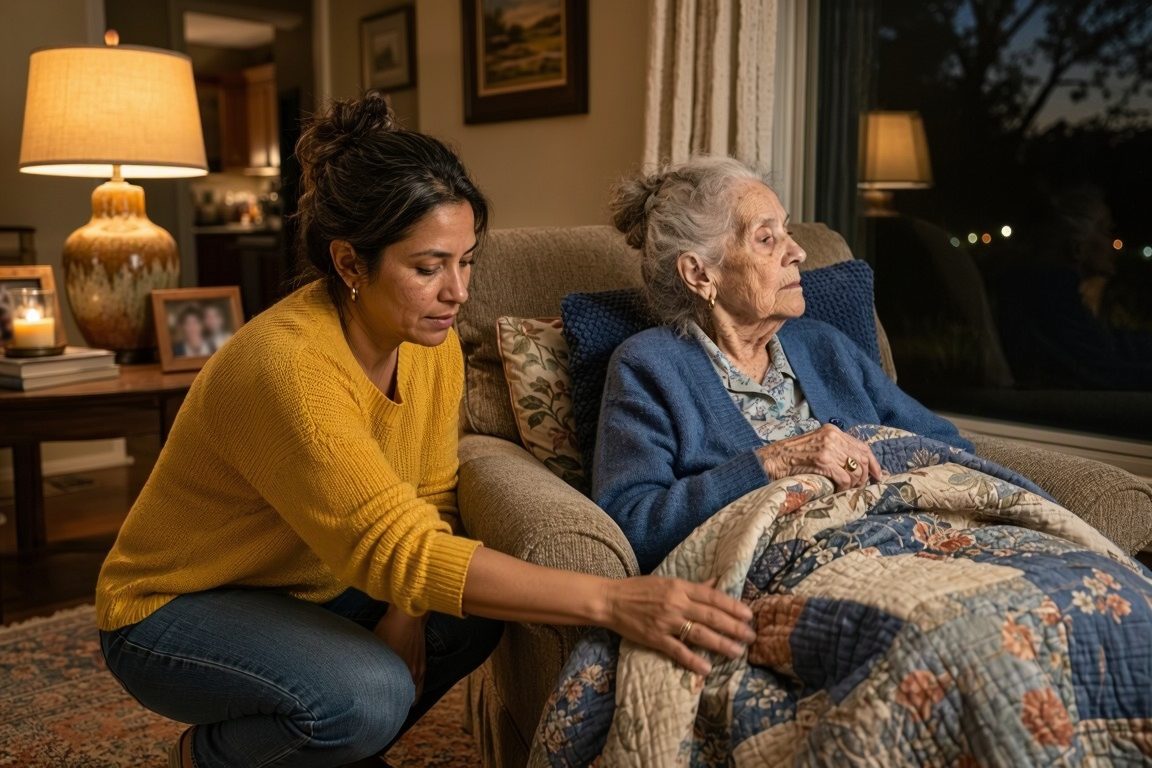
When 'Thank You' Goes Silent: Understanding Why Your Loved One with Dementia Can't Express Gratitude
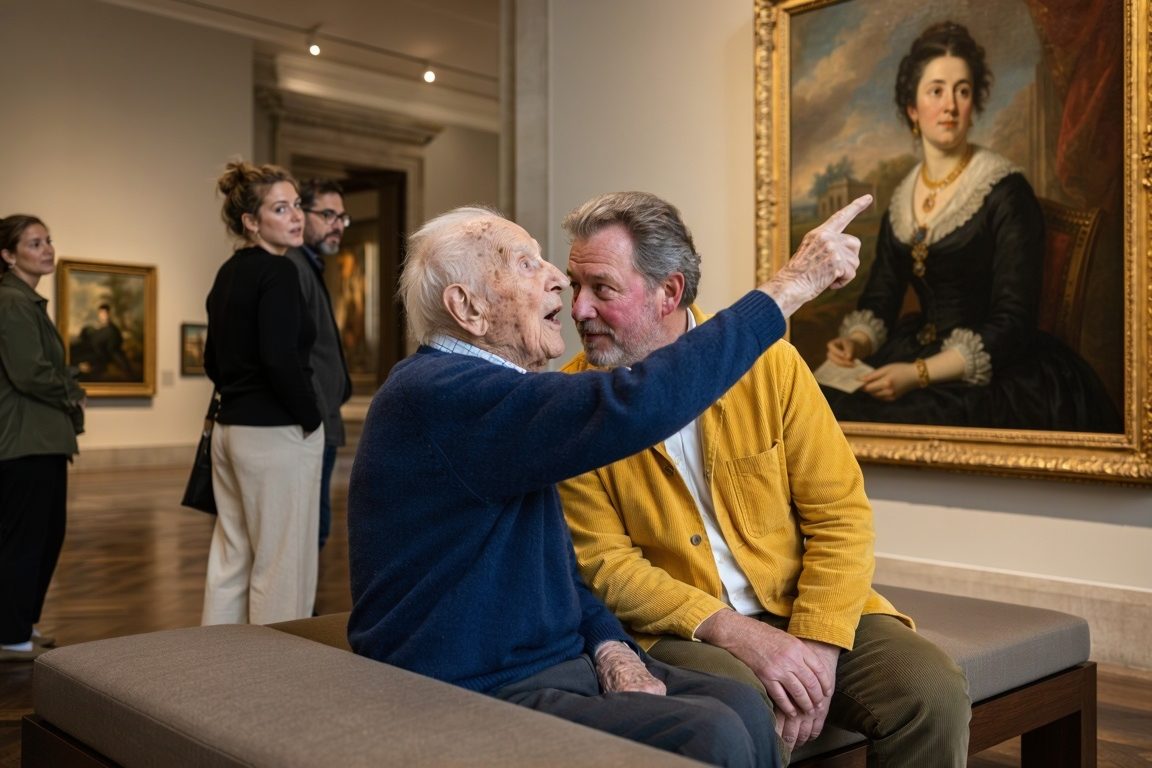
Handling Public Embarrassing Behaviors with Grace and Practical Tools
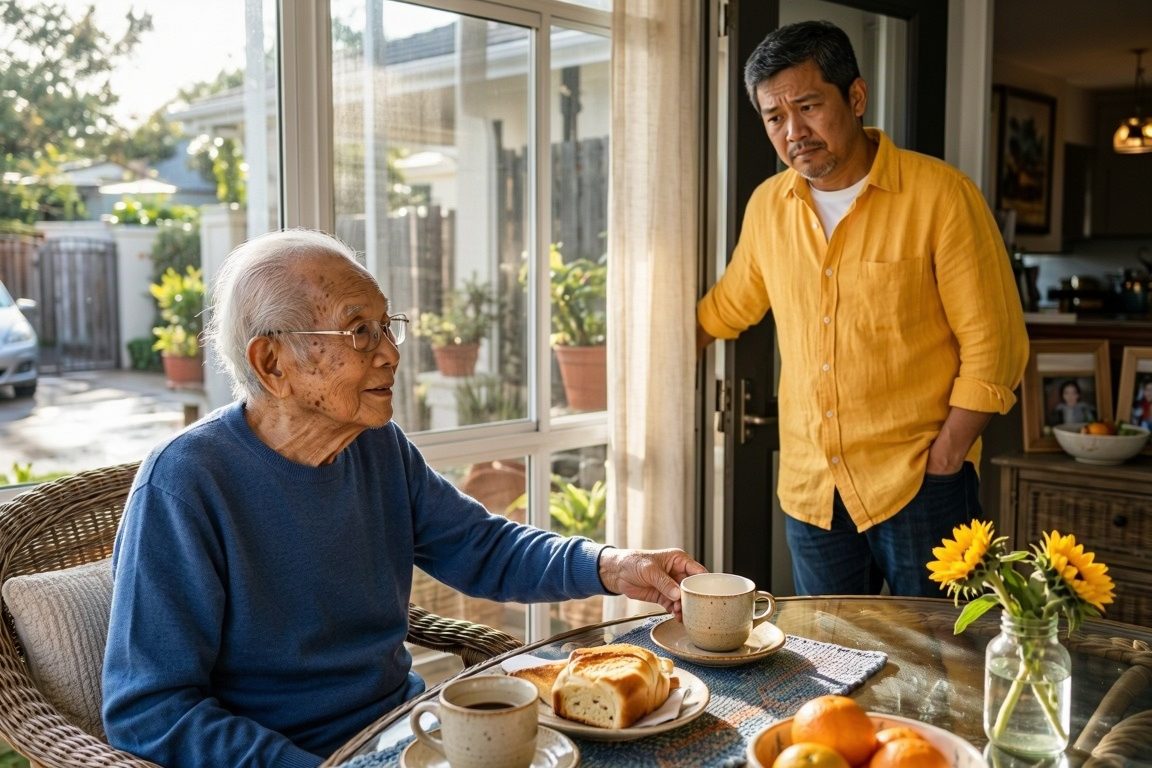
Should I Tell or Remind My Person with Dementia About a Death in the Family?
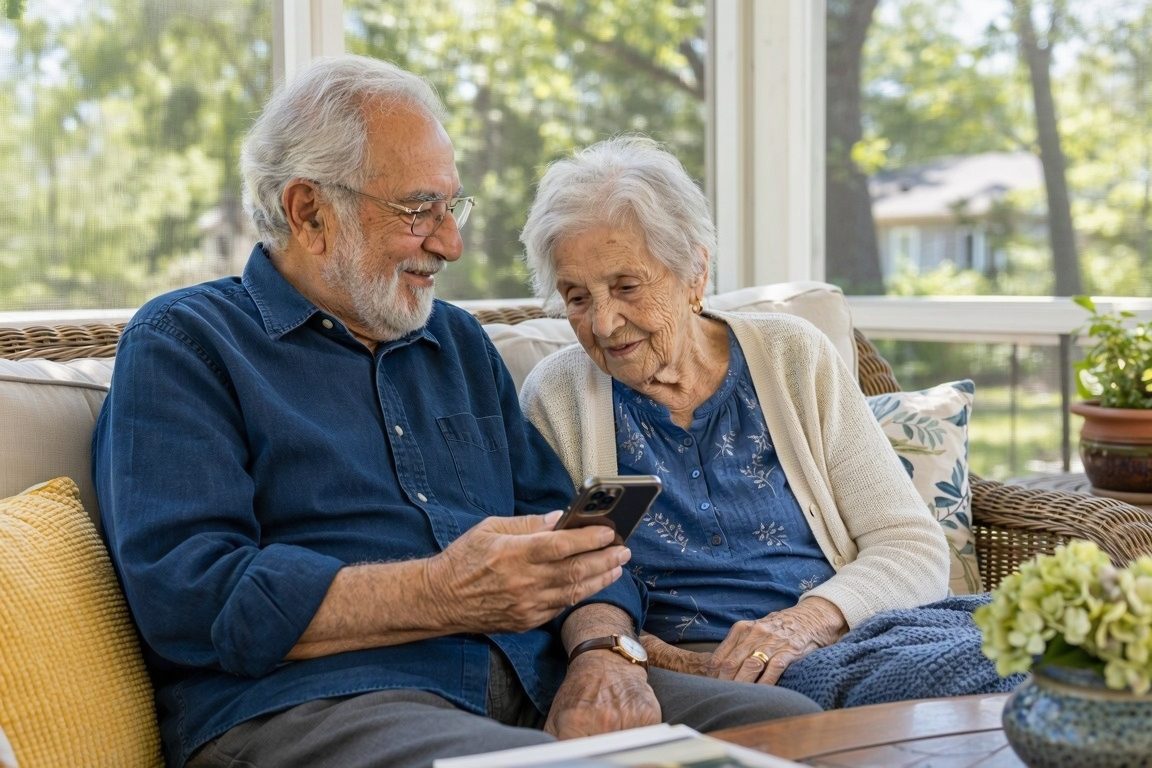
Social Media Ethics and Consent: A Guide for Caregivers of People with Dementia

Talking to Hosts and Guests About Your Loved One's Dementia at Holiday Gatherings

When Agitation and Aggression Take Hold: Consequences for Your Loved One and Your Family

When Your Partner with Dementia Accuses You of Cheating: A Guide for Spouse Caregivers

Why the Words You Use About Dementia Matter: How Language Shapes Well-Being for You and Your Loved One

Addressing the Emotional Needs of People with Dementia: A Guide for Family Caregivers
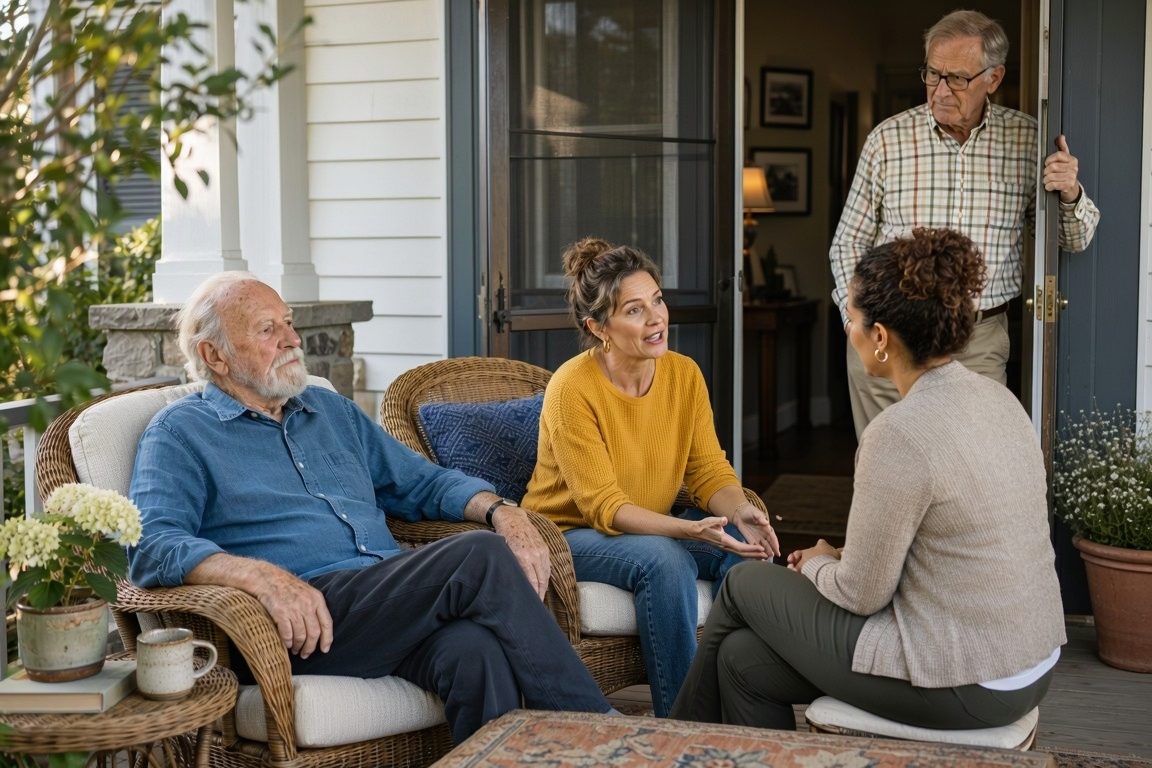
Advocating for a Parent with Lewy Body Dementia When the Other Parent Resists Help: Why Consistency Matters

Building Trust with Skeptical Families: A Guide for Home Care Agencies

Coaching Dementia Care Staff by Asking Questions Instead of Telling

Emotional mirroring in dementia caregiving

Finding the Right Words: Inclusive Language for the Person You Care For
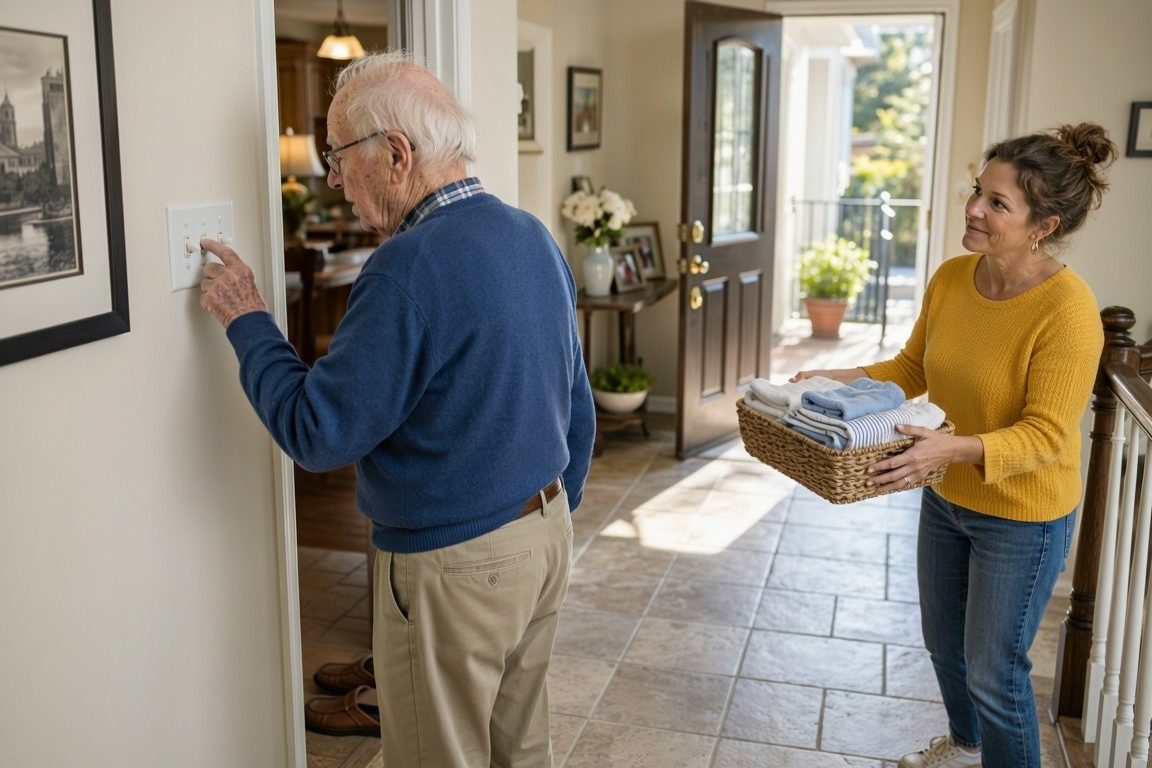
Frontotemporal dementia (FTD) behavioral changes and caregiver response

Giving Feedback About Abilities Without Harm: A Guide for Family Caregivers

Graceful Deflections: What to Say When Others Ask Intrusive Questions About Your Loved One's Dementia

Graceful Responses to Intrusive Questions About Your Loved One's Dementia

Handling Others' Unsolicited Opinions of You as Caregiver

Handling Unsolicited Opinions as a Dementia Caregiver: How to Decide Whose Advice to Trust
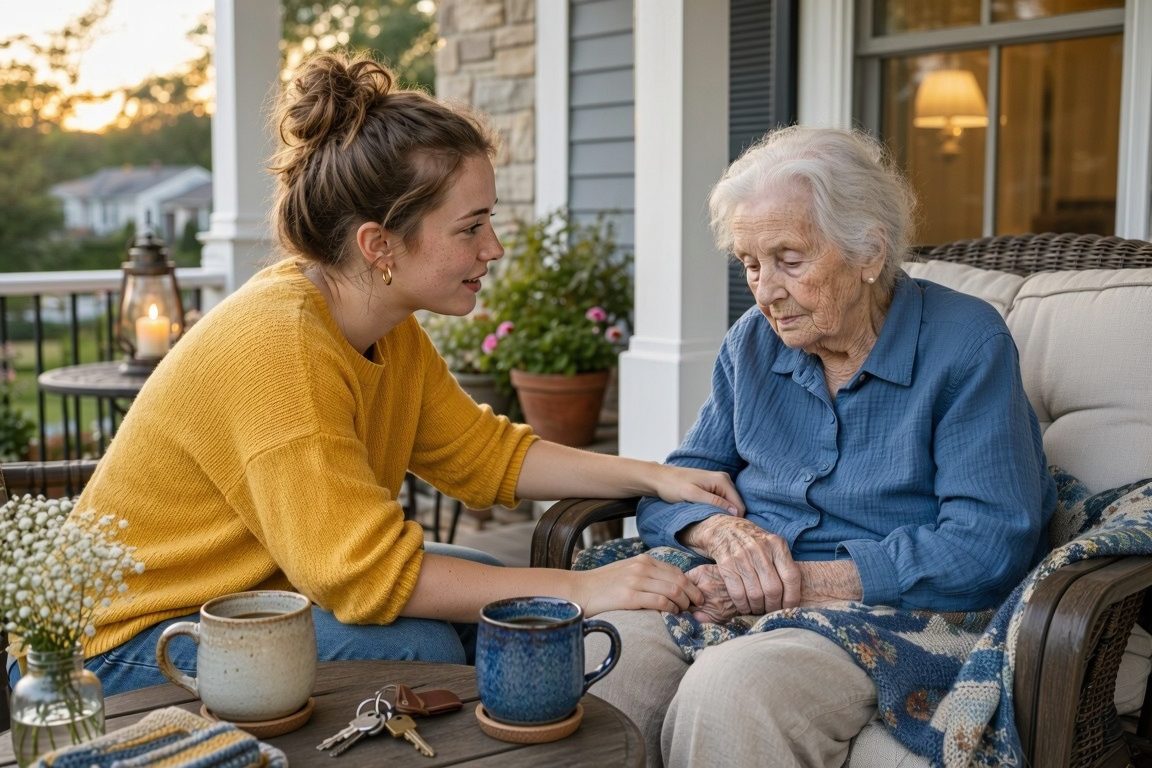
How to Gently Raise Memory Concerns and Suggest Cognitive Testing Without Triggering Denial or Defensiveness

Making Decisions Your Loved One Opposes: A Guide for Dementia Caregivers

Opening the Door: A Guide to Honest Family Communication About a Dementia Diagnosis

Preserving Trust While Addressing Difficult Behaviors
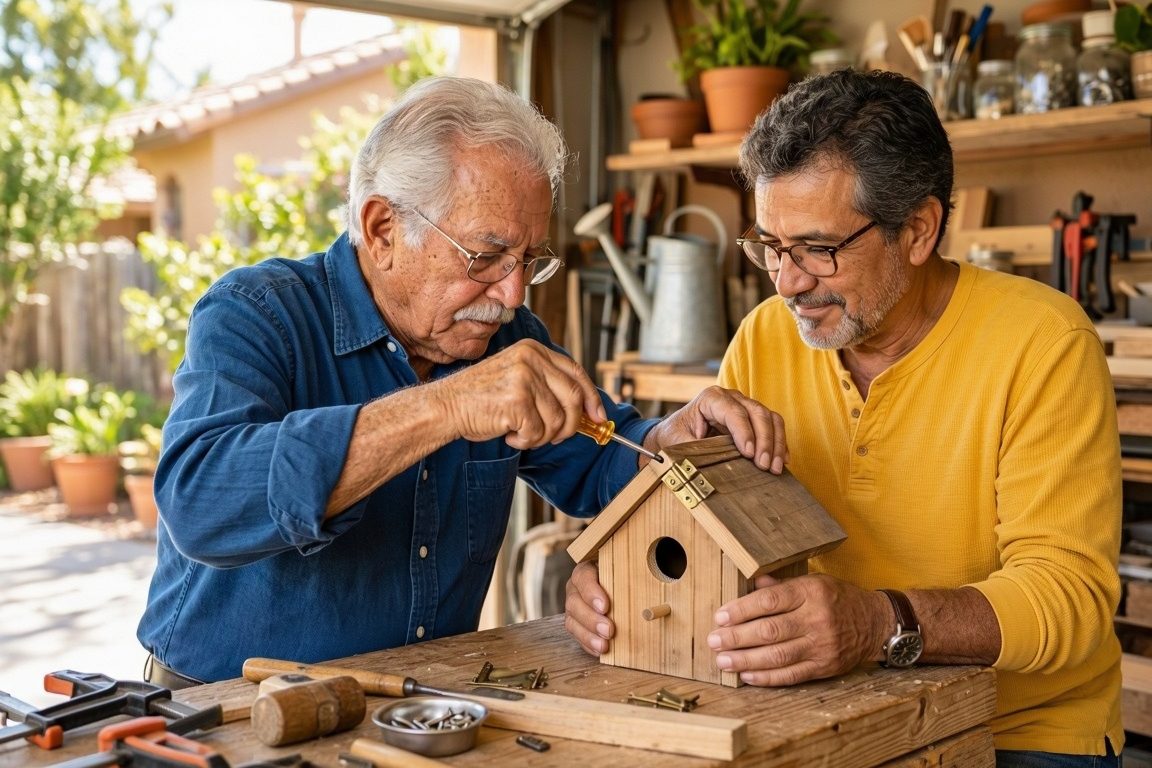
Preserving Your Relationship While Providing Care: Helping Unobtrusively

Reframing dementia language and extending grace to yourself

Responding to Invalidating Comments from Others: A Guide for Family Caregivers

Self-Regulating When a Care Moment Goes Wrong: Sapphire vs. Diamond

Sharing Your Loved One’s Dementia Diagnosis: A Guide for Spouse Caregivers in Middle to Late Stages

Starting the Memory Loss Conversation with a Parent: A Warm, Step-by-Step Guide for Family Caregivers

The Filter Role vs. the Protector Role in Dementia Care: Guiding Without Controlling

Understanding and Responding to Fears of Losing Control in Dementia

Using Plain Language When Communicating a Dementia Diagnosis

Whether to tell a parent with dementia that they forgot something

Why Doctors Can’t Help With Dementia Behavior Problems (And What You Can Do Instead)

Why Society Stays Silent on Dementia, and How You Can Start Breaking the Silence Today
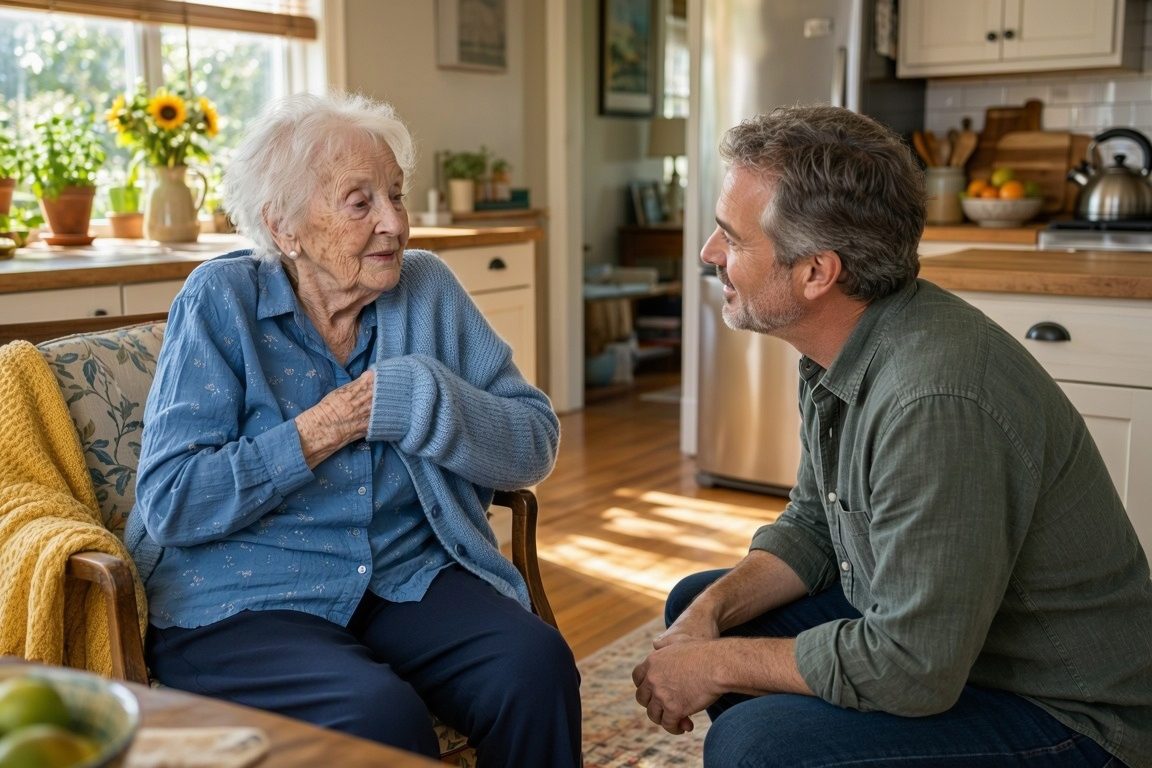
Why Your Tone Matters More Than Your Words: A Guide to Emotional Memory in Dementia Care

Destigmatizing dementia and talking openly about it