
Step by step
What not to do
- Do not argue or reason; it increases frustration.
- Do not bribe or threaten; bribes fail and threats erode trust.
- Do not take refusal personally; it is a symptom, not a reflection of your care.
- Do not force care unless it is a safety emergency; forcing can cause trauma.
- Do not let uninvolved family override your judgment; you know daily reality.
- Do not make major medical or legal decisions without consulting a doctor or attorney.
- Do not ignore your own well-being; exhaustion shortens your caregiving capacity.
Key points
- Resistance is a symptom of the disease, not a personal rejection of you.
- You are not a bad caregiver for making decisions your loved one opposes; you are protecting them.
- Validate feelings first, then redirect. Do not argue or force unless it is a safety emergency.
- Use limited choices and neutral helpers to reduce conflict.
- Take care of yourself, you cannot care for them if you are burned out.
- Seek professional guidance for medical, legal, and end-of-life decisions.
Videos
 Dementia Caregiver AngerThis video helps you understand and manage your own anger when your loved one refuses care, which is essential for staying calm.
 Is Your Aging Parent With Dementia Refusing Help? Do This!Offers specific strategies for when a parent refuses help, including how to introduce outside assistance.
 The one mindset shift you need to make as a dementia caregiverHelps you shift from feeling guilty to feeling confident in your decisions, which is key when making unpopular choices.
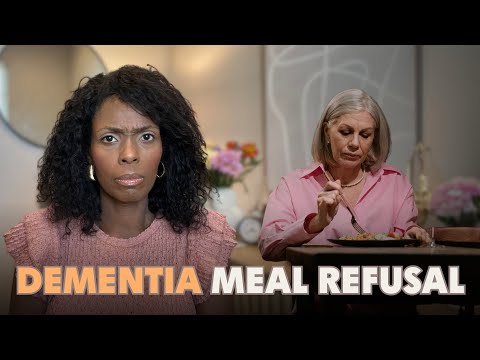 Why Meal Refusal Happens with Dementia (And How to Tackle It Without a Fight)Provides practical tips for handling meal refusals, a common area of conflict.


Background
Why Your Loved One Resists Your Decisions
When a person with dementia refuses care or opposes a decision, it is rarely about being stubborn or ungrateful. The disease is changing how their brain processes information. For example, a gentle stream of water might feel like stabbing pain to them, or a normal bathtub might look like a bottomless pit. Their perception of reality is altered, so their resistance is a genuine response to what they are experiencing, not a personal attack on you. They may also feel a loss of control, fear, or confusion about what is happening, and saying 'no' is their way of trying to hold onto something familiar.
The Hard Truth: You Must Make Unpopular Decisions
Being a good caregiver often means making choices your loved one does not agree with. Taking away car keys when driving is no longer safe, moving them to a care facility, or insisting on a bath are all examples. These decisions are not about winning an argument; they are about protecting them from harm. The source material emphasizes that just because your loved one disagrees does not mean you are doing the wrong thing. In fact, it often means you are doing the right thing, even though it feels terrible. Acknowledge the difficulty of this role, it is one of the hardest parts of caregiving.
The Role of Family and Outside Opinions
Family members or friends who are not involved in daily care may offer opinions that make you doubt yourself. Remember that you are the one spending the most time with your loved one. Take advice from people who are not in the trenches with a grain of salt. You are making decisions based on what is best for you and your loved one, not for everyone else. If family members disagree, it can help to have a neutral third party, like a social worker or doctor, explain the medical reasons behind your choices.
Practical tools
5
Limited-Choice Menu
Prepare two acceptable options per task (e.g., 'Blue shirt or red one?'). Gives control while you steer the outcome.
Redirection Toolkit
List their favorite songs, topics, or snacks. When they refuse, pivot to one: 'Let's listen to this while we put your shoes on.'
The 'Doctor Said' Strategy
For high-stakes decisions, get a formal assessment. Say: 'The doctor recommends no driving for now.' Watch for distress and stop if agitation escalates.
Comfort-First Bath
Use warm towels, soft lighting, calming music. Frame as 'spa day' to reduce fear. Use when a full shower feels like a battle.
Validation Phrases
Ready-to-use lines for refusal: 'I hear you. This is hard. Let's figure it out together.' Acknowledges feelings without arguing.
Different situations
For a spouse caregiver vs. adult child
Spouses may feel more guilt about overriding their partner's wishes, as they have a long history of shared decision-making. Adult children may struggle with role reversal. Both should seek support groups specific to their relationship. Spouses might benefit from couples counseling early on, while adult children may need help setting boundaries with siblings.
For early-stage vs. late-stage dementia
In early stages, involve the person in planning as much as possible. Respect their choices when safe. In late stages, when they cannot understand, you must make decisions based on their previously expressed values and advance directives. The focus shifts from agreement to comfort and dignity.
For Lewy body dementia or Parkinson's dementia
These conditions often involve visual hallucinations and extreme sensitivity to medications. Refusals may be driven by fear of what they see. Approach slowly, use calm reassurance, and avoid sudden movements. Discuss any medication changes with the doctor, as some drugs can worsen confusion.
For a loved one in a facility
You may still face resistance from facility staff or from your loved one about care. Build a partnership with the care team. Share what works at home. If your loved one refuses to eat or bathe, ask the staff to try the strategies above. You can also request a care conference to address concerns.
For financial or legal decisions
If your loved one refuses to sign over power of attorney or make a will, consult an elder law attorney immediately. In some cases, you may need to pursue guardianship. Do not wait until a crisis. The Alzheimer's Association can provide referrals.
For the doctor
8
- Ask the doctor if there are medical reasons for the refusal, such as pain, infection, or medication side effects.
- Discuss whether antipsychotic or anti-anxiety medications might help in extreme cases of agitation, but only as a last resort and under close supervision.
- If your loved one refuses to eat or drink, ask the doctor about feeding tubes or hydration options, and understand the risks and benefits.
- For end-of-life decisions, ask the doctor about hospice eligibility and how to ensure comfort without unnecessary interventions.
- If your loved one is violent or aggressive, ask the doctor or a neurologist about behavioral interventions and safety plans.
- Ask the doctor: 'How can we get a formal driving assessment to determine if my loved one is safe to drive?'
- Ask the doctor: 'If driving is unsafe, what are the best ways to restrict access to the car while minimizing distress?'
- Ask the doctor: 'Are there any medications or treatments that could help reduce agitation or resistance during care?'