Step by step
What not to do
- Do not argue or try to convince them; a simple, non-defensive line like 'I see it differently, but I appreciate your concern' is usually the most you owe them.
- Do not take the comment as a verdict on your worth; their words reflect their own ignorance or discomfort, not your competence.
- Do not over-explain or justify your choices; a short, polite reply is enough, and over-explaining invites more unsolicited advice.
- Do not retreat into isolation out of fear of the next comment; instead, choose your company carefully and limit time with those who are consistently unsupportive.
- Do not pretend the comment didn't sting; acknowledge to yourself that it hurt, and process it with a trusted friend, journal, or support group.
Key points
- Invalidating comments are often a reflection of the other person's ignorance or discomfort, not your worth as a caregiver.
- Pause before responding; a reaction escalates, a response protects your peace.
- Use scripts like the 'Curious Comeback' or 'Collaboration Invitation' to disarm criticism and educate gently.
- When your loved one with dementia says something invalidating, respond to the emotion, not the facts.
- Set boundaries with people who consistently drain you; you are allowed to protect your energy.
- Seek out supportive communities where you do not have to defend your reality.
Videos
 How To Deal With Dementia As A CaregiverThis video offers a broad overview of caregiver challenges, including how to handle difficult emotions and interactions, which is directly relevant to responding to invalidating comments.
 Dementia and accusations: How to respond when someone with dementia accuses you of never visitingThis video specifically addresses accusations from the person with dementia, which is a common form of invalidation. It teaches you to resist the urge to correct and instead validate the emotion.
 3 things to NEVER do with your loved one with dementiaThis video reinforces the critical rule of not arguing, correcting, or reasoning with a person with dementia, which is essential when they say something invalidating.
 Why Does Dementia Cause Hallucinations, Delusions, and Paranoia with Lucy Barylak, MSW Aug 10 23Understanding the neurological reasons behind delusions and paranoia helps you not take accusations personally and respond with compassion rather than defensiveness.
2 more videos
 What to Do About My Elderly Parent's Bad BehaviorsThis video offers strategies for managing behaviors that others might criticize, helping you feel more confident in your responses to outside judgment.
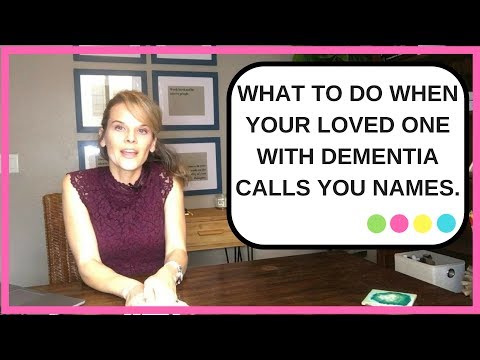 What to do when your loved one with dementia calls you mean namesThis video directly addresses verbal invalidation from the person with dementia, offering scripts and emotional strategies that apply to handling hurtful comments.
Background
Why Invalidating Comments Hurt So Much
As a family caregiver, you are living a reality that most people cannot imagine. You manage medications, handle confusion, witness personality changes, and sacrifice your own time and energy every day. When someone says, 'She seems fine to me,' or 'You should just try harder,' it dismisses the invisible labor and emotional weight you carry. These comments often come from a place of ignorance, not malice, but they can trigger feelings of isolation, self-doubt, and resentment. The hurt is real because your truth is being minimized.
The Real Reason Behind the Comments
Most people who make invalidating comments have never walked in your shoes. They may be uncomfortable with the reality of dementia and try to smooth it over with platitudes. Some may be projecting their own fears about aging or illness. Others might genuinely believe they are helping by offering 'solutions' from a place of inexperience. Recognizing that their words reflect their own limitations, not your worth or the validity of your struggle, can help you respond with compassion instead of defensiveness. As one source notes, the things we dislike in others often mirror what we dislike in ourselves, so their criticism may be more about their own insecurities than about you.
Your Role Is Different, and That's Okay
One of the most painful invalidations comes when your loved one with dementia seems 'better' with others and worse with you. This can make you feel like you are failing, but the opposite is true. Their brain has become reliant on you as their safe base. When they are with you, they let down their guard, and the confusion and frustration they hold in all day comes out. This is not a sign that you are doing something wrong; it is a cruel compliment that shows how much they trust you. Understanding this can help you resist the urge to defend yourself against outsiders who question your care.
Practical tools
5
Curious Comeback Script
When someone offers unsolicited advice, say: 'Can you say that again? I want to write it down so I don't forget. I actually have a notepad right here.' This defuses the moment and often makes the speaker realize how presumptuous their advice was. Keep a notepad or notes app ready.
Hidden Reality Script
When someone insists your loved one looks fine, say: 'I hear that she looks okay today. It's hard to see from the outside how much energy it takes for her to keep it together for a short visit. The reality at home is very different.' This validates their observation while gently educating them.
Collaboration Invitation Script
When someone criticizes your care, respond: 'Could you come with me to her next doctor's appointment and share what you see? It would really help the care team understand her better.' This shifts them from critic to collaborator.
Kind but Firm Boundary Script
For repetitive or particularly hurtful comments, use: 'I know you mean well, but comments like that make this harder for me. I'd appreciate it if you could just listen instead of giving advice.' Direct without being aggressive.
Feeling Behind the Words Script
When your loved one with dementia says something invalidating, like accusing you of never visiting, do not correct; respond to the feeling instead: 'I can see you missed me. I'm here now, and I'm not going anywhere.' This soothes emotions without confronting facts their brain can no longer hold.
Different situations
When the invalidating comments come from a close family member (e.g., sibling or adult child)
The stakes are higher because these relationships matter long-term. Use the 'Collaboration Invitation' script to involve them in care tasks or appointments. If they refuse, you may need a firmer boundary: 'I understand you have your own perspective, but I need you to trust my judgment on this. If you cannot support me, please keep your opinions to yourself.' Consider family counseling if the dynamic is toxic.
When the invalidating comments come from the person with dementia themselves (e.g., accusations of stealing or not visiting)
Do not correct or argue. Instead, validate the emotion behind the accusation. Say, 'It sounds like you are feeling scared or lonely. I am here with you now.' This approach, known as validation therapy, addresses the underlying anxiety or fear rather than the factual inaccuracy. Remind yourself that the accusation is a symptom of the disease, not a reflection of your care.
When you are a spouse caregiver
Invalidating comments from others can feel like an attack on your marriage or your identity as a partner. You may hear things like, 'You should put him in a home' or 'You are sacrificing too much.' Your response can be: 'This is my marriage and my choice. I am doing what I believe is best for us.' You may also need to grieve the loss of your partner's former self, and that grief is valid. Seek out spouse-specific support groups.
When the comments come from medical professionals or care staff
This is particularly difficult because you rely on these professionals. If a doctor or nurse dismisses your observations, say: 'I understand you see many patients, but I am with her every day. I am noticing these specific changes. Can we please document them and consider further evaluation?' If the dismissal continues, consider seeking a second opinion or requesting a care conference. You are the expert on your loved one's daily reality.
When you are caring for someone with Lewy body dementia or frontotemporal dementia
These types often involve more dramatic behavioral changes, hallucinations, or personality shifts, which can attract more invalidating comments like, 'She's just being dramatic' or 'He's doing this on purpose.' Educate yourself on the specific symptoms of your loved one's diagnosis so you can respond with facts. For example: 'Actually, with Lewy body dementia, visual hallucinations are common. It's not intentional.' This can help others understand that the behavior is disease-driven.
For the doctor
3
- If you are experiencing persistent feelings of worthlessness, depression, or anxiety related to caregiving, discuss these with your doctor. You may benefit from therapy or medication.
- If your loved one's accusations or behaviors are escalating to the point of aggression or danger, discuss safety plans and possible medication adjustments with their neurologist or geriatric psychiatrist.
- If you are considering placing your loved one in a facility due to the stress of invalidating comments from family, discuss this decision with a social worker or care manager who can help you weigh options.