
Step by step
What not to do
- Don't suppress your emotions or take their irritability personally, your tension transfers through body language and tone and will escalate the situation. Step away briefly to reset when needed.
- Don't try to reason, argue, or correct their reality when they're emotionally escalated or confused; their brain cannot process logic or facts in that state. Validate the feeling, meet them where they are, then redirect.
- Don't ask "Don't you remember?" or quiz them on recent events, this can cause shame and withdrawal.Instead, offer the information gently: "Your brother called today."
- Don't ignore your own need for self-care. Caregiver depression and anxiety transfer to the person with dementia, making care harder for everyone. Prioritize your emotional health as a core caregiving strategy.
- Don't expect them to remember what you said, but do expect them to remember how you made them feel. Focus on creating positive emotional experiences, even if the factual details are lost.
Key points
- Your mood directly affects your loved one's emotional state because their brain's emotional regulation is damaged. You are their emotional anchor.
- Emotional mirroring is a tool, not a burden. By managing your own emotions, you can create a calm environment that reduces agitation and fosters cooperation.
- Their difficult behavior with you is often a sign of trust, not rejection. They let down their guard because they feel safest with you.
- Validation of feelings comes before logic. Always address the emotion first, then redirect.
- Caregiver self-care is not optional, it is a medical necessity. Your well-being directly impacts your loved one's quality of life.
- Use your body language, tone, and presence intentionally. You have more power to create calm than you realize.
Videos
 Why Mirrors Confuse People with Dementia (And How to Fix It!)This video explains how perception changes in dementia, which is related to emotional mirroring because both involve the brain's altered processing of environmental cues. Understanding this can help you avoid triggering distress.
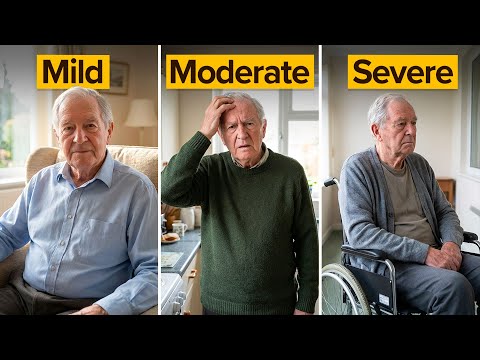 Dementia Progression: What I Wish Caregivers Were ToldThis video offers insights into the emotional journey of dementia, which can help you understand why your mood matters so much and how to adapt as the disease progresses.
 5 Strategies to Handle Paranoia and False Accusations in DementiaParanoia and accusations are often fueled by emotional distress. Learning to respond with calm validation rather than defensiveness is a direct application of emotional mirroring.
 Nothing’s Working? Try These 3 Dementia Behavior FixesThis video provides practical behavior fixes that rely on changing your approach, which is exactly what emotional mirroring is about, your change can change their behavior.
2 more videos
 Surprising Symptoms of Dementia! Part 3This video covers unexpected symptoms that can be confusing for caregivers. Understanding them helps you stay calm and respond with empathy rather than frustration.
 What Communication Skills Help With Repetitive Questions In Dementia Care? - TestRepetitive questions are often driven by anxiety. Using a calm, validating tone can reduce the emotional need behind the repetition, making this a perfect example of emotional mirroring in action.
Practical tools
6
The 'Calm Voice' Script
Practice these phrases until they become automatic: 'I'm here with you.' 'You're safe.' 'Take your time.' 'We're in this together.' 'I can see you're feeling [name the emotion]. That's okay.' Use a slow, rhythmic pace. The script keeps you regulated and gives your loved one a predictable, soothing pattern.
The 'Emotional Check-In' Routine
Before each interaction, ask: 'What is my emotional state right now? Am I calm, rushed, frustrated, or sad?' If you're not calm, take 60 seconds to breathe or step away. This prevents you from unintentionally transferring negative emotions.
The 'Mirroring Reset' Technique
When your loved one becomes agitated, pause and deliberately change your own posture and expression. Drop your shoulders, soften your face, take a slow breath. Often they will unconsciously mirror the shift and begin to calm within a minute or two.
The 'Positive Sensory Environment' Checklist
Set up a calm space:
This supports positive emotional states for both of you.
The 'Caregiver Self-Care' Commitment
Schedule one 15-minute break each day that is just for you, no guilt. Use it to breathe, listen to music, or call a friend. This is a medical necessity, not a luxury. Your calm is their calm.
The 'Familiar Comfort Object' Kit
Keep a small basket within reach containing
When words fail or agitation rises, offering one of these can soothe and redirect in a way that logic cannot.
Different situations
Early-stage Alzheimer's (mild cognitive changes)
Your loved one may still be aware of your mood shifts and may even try to comfort you. Use this as an opportunity for mutual emotional support. Be honest about your feelings in a gentle way: 'I'm feeling a little tired today, but I'm glad we're together.' This can strengthen your bond and reduce their anxiety.
Middle-stage Alzheimer's (increased confusion and agitation)
Emotional mirroring becomes even more powerful. Your calm presence is your most effective tool. Avoid arguing or correcting them when they are upset. Instead, use validation and redirection. If they are paranoid or accusatory, do not take it personally, it is the disease speaking. Respond with empathy: 'I can see you're worried. I'm here to help.'
Late-stage Alzheimer's (limited verbal communication)
Your tone of voice, touch, and facial expressions are everything. They may not understand words, but they will feel your emotional state. Use a gentle, slow touch on the arm or hand, and speak in a soothing, rhythmic tone. Avoid sudden movements or loud noises. Your calm energy can reduce their restlessness and promote comfort.
Spouse vs. adult child caregiver
Spouses often have a longer history of emotional patterns, which can make mirroring more intense. You may need to work on unlearning old communication habits (like arguing or sarcasm) that no longer serve you. Adult children may feel more guilt or resentment, which can leak into their mood. Both roles benefit from explicit self-care and emotional check-ins. If you are the primary caregiver, consider joining a support group to process these feelings.
In a facility or with hired caregivers
If you are not the primary caregiver, you can still influence your loved one's emotional state during visits. Arrive calm and centered. Avoid bringing stress from your day into the room. If you notice the facility staff are rushed or stressed, advocate for a calmer environment. Your loved one will mirror the emotional tone of whoever is with them, so consistency in calm care is key.
For the doctor
4
- If your loved one's mood swings are severe or include aggression, discuss with their doctor whether medication adjustments or a referral to a behavioral specialist might help.
- If you are experiencing symptoms of depression or anxiety (persistent sadness, loss of interest, changes in sleep or appetite), talk to your own healthcare provider. Caregiver mental health is critical to effective care.
- If your loved one has sudden changes in mood or behavior that seem out of character, rule out medical causes like infection, pain, or medication side effects by consulting their clinician.
- If you are unsure how to handle specific challenging behaviors (e.g., paranoia, accusations, or aggression), ask for a referral to a dementia care specialist or a social worker who can provide tailored strategies.