Communication
212 guides
Managing Specific Cognitive Challenges
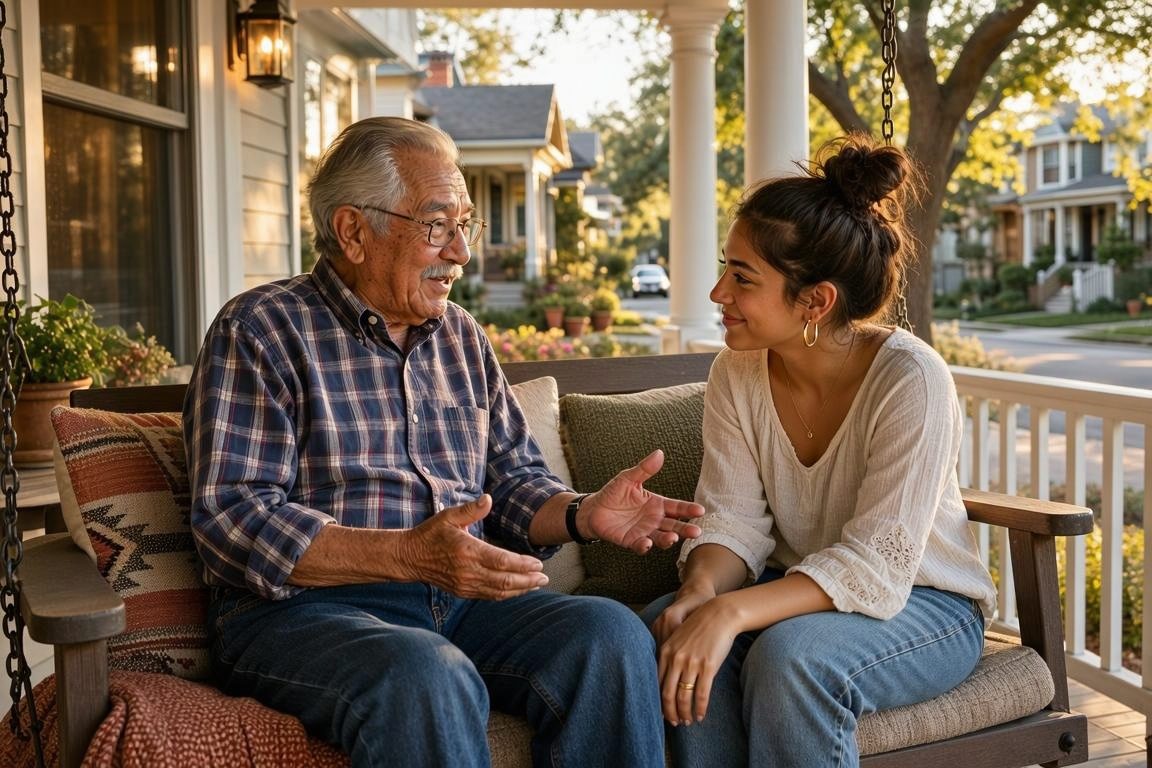
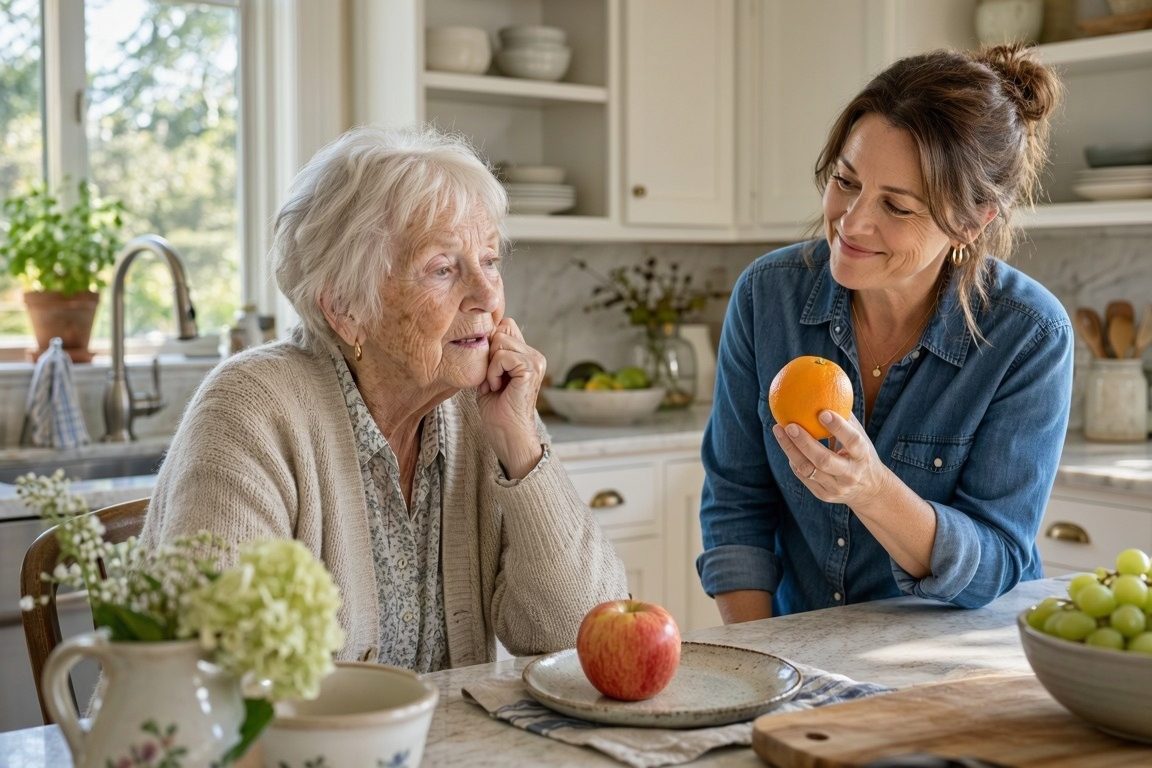
Aphasia, slow processing, confabulation, time shifting, facial recognition failure, and word-finding difficulty.
27 guides
Communication Do's and Don'ts
What to say, what to avoid, using therapeutic fibs, validation vs. reality orientation, and avoiding arguments or corrections.
25 guides
Person-Centered Care Approaches
Using life stories, GEMS model, PAC, person-centered basics, and adapting to the individual's abilities.
25 guides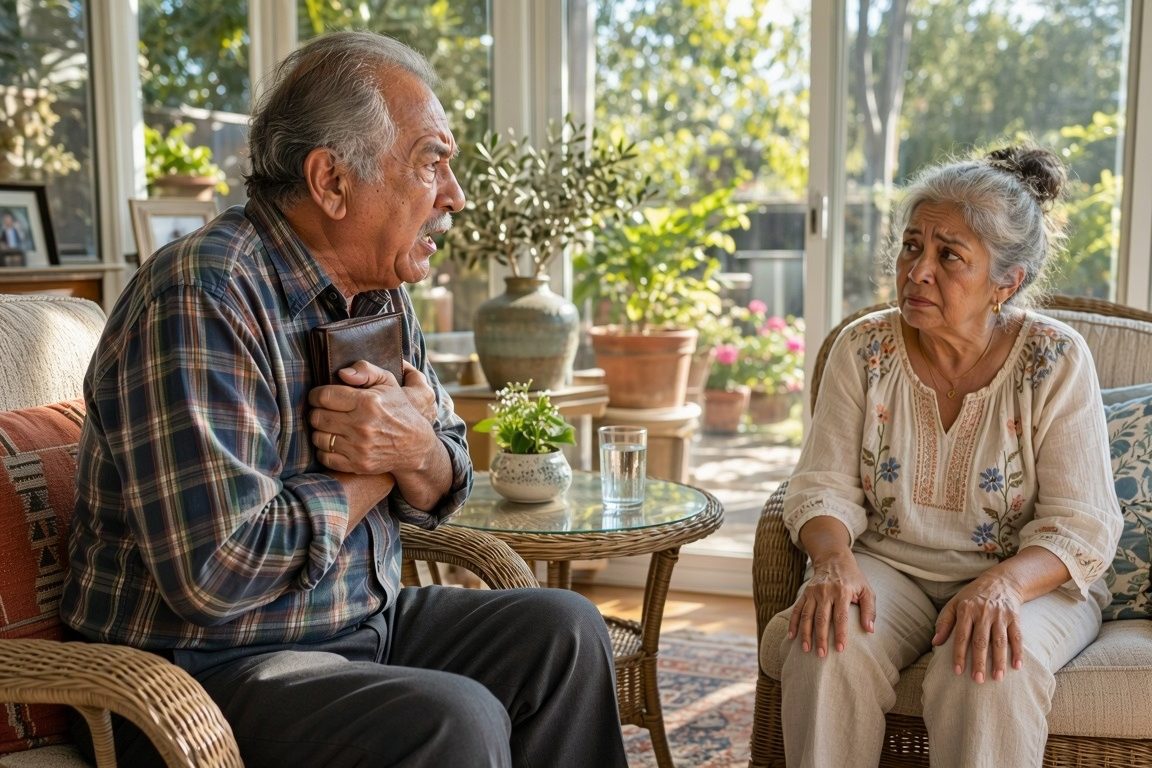
Responding to Challenging Behaviors
De-escalating agitation, aggression, paranoia, hallucinations, repetitive questions, accusations, and other distressing behaviors.
22 guides
Emotional Validation and Empathy
Validating feelings, responding to the emotion behind words, emotional memory, and avoiding logic-based responses.
14 guides
Navigating Medical and Care Settings
Communicating at doctor visits, with hospital staff, emergency responders, and advocating for your loved one.
15 guides
Reducing Stigma and Using Inclusive Language
Destigmatizing dementia, using respectful language, responding to intrusive questions, and fostering dementia-friendly communities.
13 guides
Creative and Sensory Engagement
Using music, art, movement, storytelling, and sensory activities to connect and communicate.
13 guides
Difficult Conversations and Disclosure
Talking about the diagnosis, starting memory loss conversations, discussing end-of-life, and telling others.
12 guides
Building Trust and Connection
Strengthening relationships, rebuilding trust, maintaining human-to-human connection, and fostering emotional bonds.
10 guides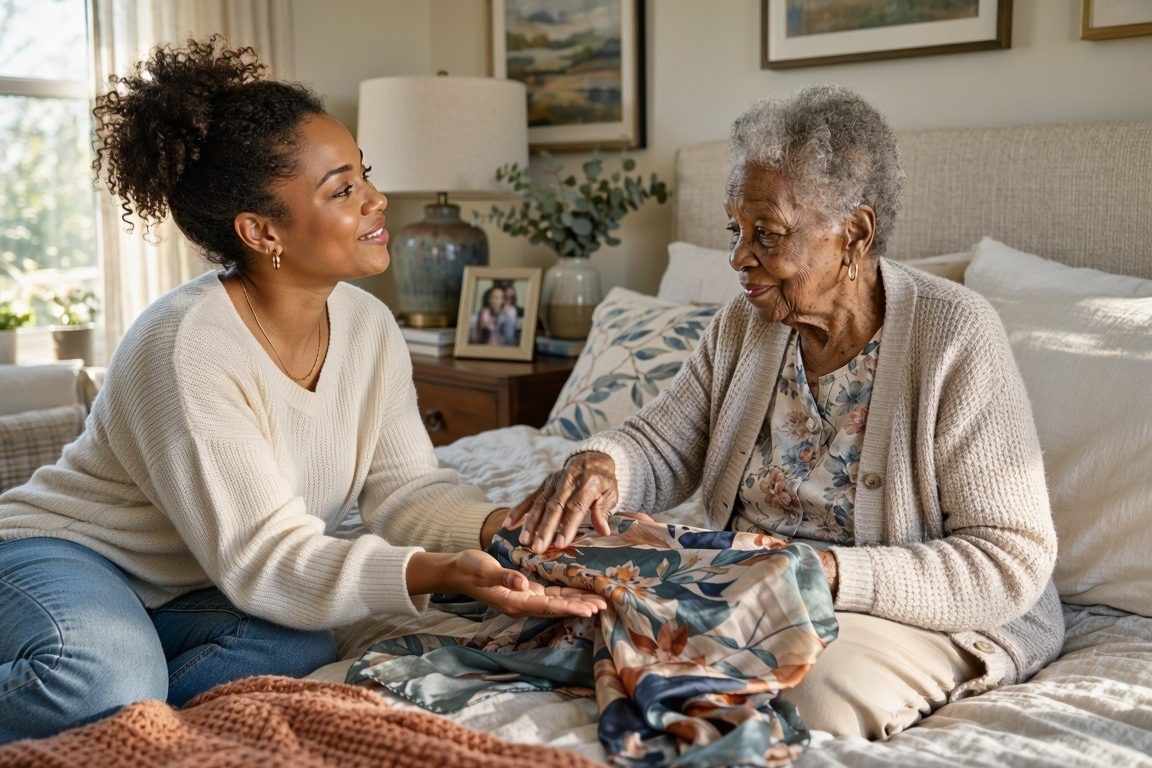
Non-Verbal and Physical Communication
Hand-under-hand, safe approach, touch, tone of voice, eye contact, and positive physical approach.
10 guides
Caregiver Self-Care and Boundaries
Setting boundaries with loved ones and others, handling unsolicited advice, managing guilt, and protecting your relationship.
10 guides
Family Dynamics and Social Support
Communicating with siblings, family denial, holiday gatherings, long-distance care, and building a support system.
9 guides
Advanced and Late-Stage Communication
Communicating in late-stage dementia, when recognition is lost, and providing comfort and dignity at end of life.
7 guides