Responding to Challenging Behaviors
De-escalating agitation, aggression, paranoia, hallucinations, repetitive questions, accusations, and other distressing behaviors.


Practical Strategies for Managing Common Dementia Behaviors

Understanding Dementia Behavior: Why It Happens and What You Can Do

Navigating Anger With Compassion

How to Respond Right Now When Your Loved One with Dementia Has Hallucinations

Understanding Behavior Changes in Dementia: A Practical Guide for Care Partners

De-escalating Agitation in Dementia: A Step-by-Step Guide for Caregivers

Responding to Inappropriate Sexual Behaviors in Dementia: A Practical Guide for Caregivers

Understanding and Reducing Anger and Aggression in Dementia: A Practical Guide for Family Caregivers

When Your Loved One Accuses You: Understanding and Responding to Paranoia and False Accusations in Dementia

Gentle Alternatives: What to Do Instead of Harmful Responses When Dementia Behaviors Arise

Responding to and Preventing Screaming or Crying in Dementia
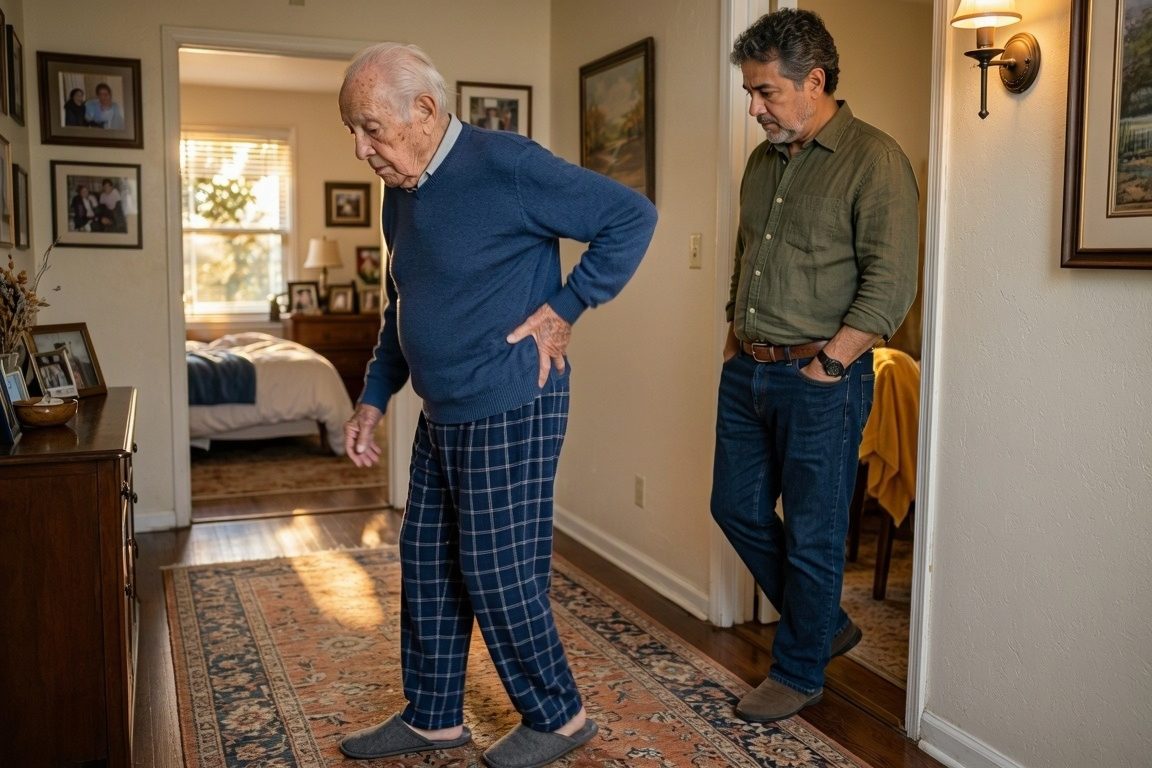
Recognizing Agitation as Distress in Dementia

Comforting Techniques for Dementia: A Practical Guide to Reducing Distress

The Diamond Distress Response: A Step-by-Step Guide to Calming Rigid, Upset Behavior in Early-Stage Dementia

When Trust Falters: A Christian Caregiver’s Guide to Responding to Paranoid Thinking in Dementia

Approaching Sensitive Topics and Prioritizing Safety Without Causing Defensiveness

Behavior is Not Willful: Understanding the Brain Changes Behind Dementia Behavior

How to Communicate with a Person with Dementia to Avoid Provoking Aggression

Redirection technique for agitation

The Four R's for Responding to Dementia Distress: A Step-by-Step Guide for Family Caregivers

The G.R.A.C.E. Method for Managing Dementia Behaviors