Step by step
What not to do
- Do not argue, correct, or reason, logic is unavailable to them.
- Do not take behavior personally; reacting with hurt escalates the moment.
- Do not force care, pushing invites resistance; pause and try later or change approach.
- Do not quiz memory with 'Do you remember?', it causes shame; instead join their reality and focus on feelings.
Key points
- Behavior is a symptom of the disease, not a choice. Your loved one is not doing this on purpose.
- Every behavior has a trigger. Become a detective: look for patterns in time, environment, and your own reactions.
- Go into 'reaction mode', ask 'What are they reacting to?' instead of 'How do I stop this behavior?'
- Validate feelings, not facts. You don't have to agree with their reality, but you can acknowledge their fear or frustration.
- Check for physical causes first: pain, hunger, thirst, bathroom needs, or infection.
- Take care of yourself. You cannot care for them well if you are burned out. Ask for help, take breaks, and use support services.
Videos
 You DON'T need to fix this in dementia!This video helps you let go of the need to 'fix' every behavior and instead focus on understanding and compassion.
 What Are Some Common Behaviors Seen In A Person With Dementia?A clear overview of common behaviors like accusations, hallucinations, and refusal of care, with explanations of why they happen.
 Get rid of difficult dementia behaviors [what you need to know]Teaches the detective approach to finding triggers and preventing behaviors before they start.
 Your dementia questions answered: Careblazer Q and AAnswers real caregiver questions about whether behaviors are intentional and how to cope with frustration.
2 more videos
 5 Strategies to Handle Paranoia and False Accusations in DementiaSpecific, actionable strategies for when your loved one accuses you of stealing, cheating, or other false beliefs.
 The Baffled Brain: Demystifying Dementia Episode 13 February 20 , 2021Explains how the brain's changes cause behaviors and offers practical tips for caregivers.
Background
The Brain Has Changed: Behavior Is a Symptom, Not a Choice
Dementia is a progressive biological brain disorder that damages the parts of the brain responsible for memory, reasoning, and emotional control. Your loved one is not being stubborn, manipulative, or difficult on purpose. The part of the brain that helps them plan, think before acting, and understand consequences, the executive functioning, is damaged. This means they cannot always control what they do or say, even if they just did something different an hour ago. As one expert puts it, 'A person with dementia is not giving you a hard time; they are having a hard time.' Their behavior is a symptom of the disease, just like memory loss is. When you shift from thinking 'they're doing this to me' to 'they're struggling with something,' everything changes.
Behavior Is Communication: The 'Reaction Mode' Mindset
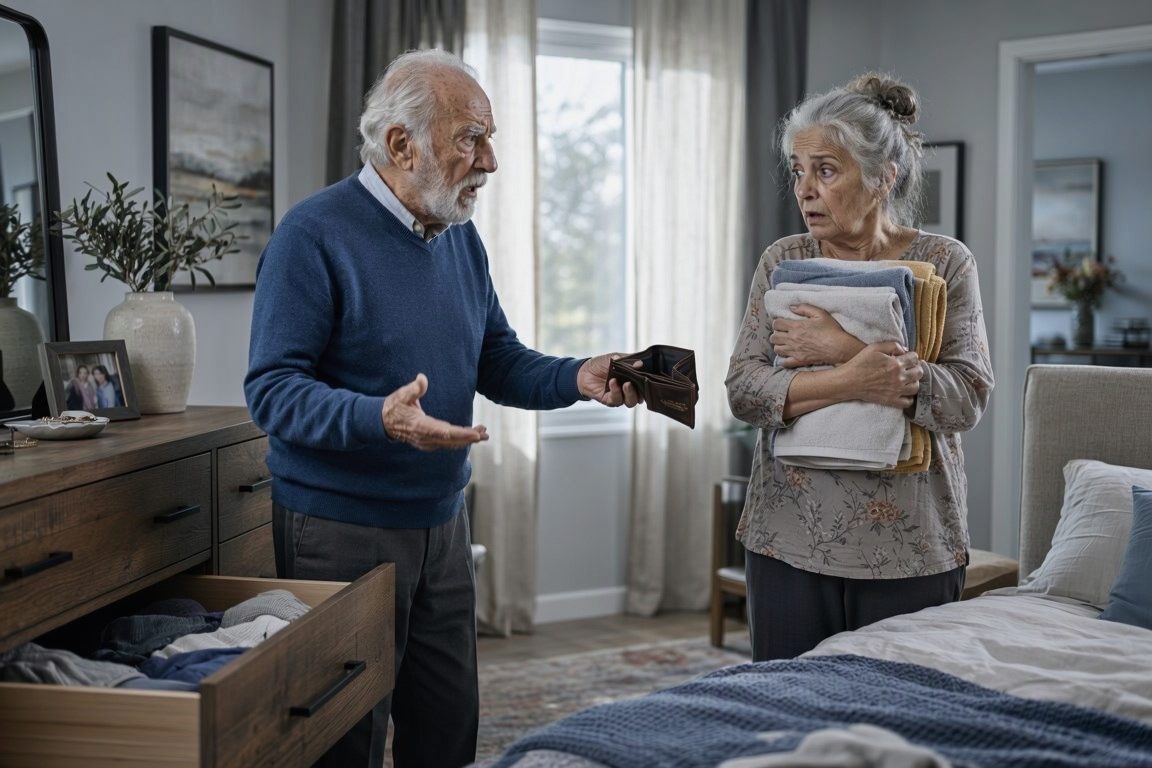
Every behavior has a purpose. Your loved one may not be able to tell you they are hungry, in pain, scared, or overwhelmed, so they show you through their actions. For example, a person who refuses to bathe might be reacting to the cold air, the sound of running water, or the feeling of being vulnerable. Someone who accuses you of stealing might be reacting to the fear of losing control or the confusion of not recognizing their own belongings. The key is to stop seeing the behavior as a problem to be fixed and start seeing it as a reaction to something. Ask yourself: 'What are they reacting to?' This is called going into 'reaction mode' instead of 'behavior mode.' When you figure out the trigger, hunger, noise, pain, boredom, or even your own tone of voice, you can address the cause, and the behavior often fades.
Common Triggers: The Environment, the Body, and You
Behaviors often have one of three sources: physical discomfort, environmental overwhelm, or caregiver interaction. Physical causes include pain, urinary tract infections, medication side effects, hunger, thirst, or needing to use the bathroom. Environmental triggers include too much noise, bright or flickering lights, shadows, unfamiliar places, or being rushed. And caregiver triggers include your own frustration, a sharp tone, or even your body language, your loved one may not understand your words, but they can read your frown or crossed arms. Sundowning, increased agitation in the late afternoon and evening, often happens because the brain is tired and can no longer cope with internal anxiety. Each person is unique, so what triggers one person may not trigger another. That's why becoming a detective is so important.
Practical tools
5
Behavior Log Template
Notebook or phone note with columns for date, time, trigger, behavior, response, and outcome. After a week, patterns (e.g., late-afternoon confusion) become clear. Bring to doctor.
Phrase Bank for Difficult Moments
Keep ready: 'I see you're upset. I'm here with you,' 'That sounds scary. Let's sit together,' 'You're safe,' 'Tell me about your home.' When they say 'I want to go home,' ask about it, then redirect. Avoid 'Don't worry,' 'You're wrong,' 'Remember...'
Sensory Calming Kit
Basket with
Offer one item at a time when agitation starts.
Daily Routine Template
Written schedule anchoring wake-up, meals, medication, activity, and rest to same times daily. Predictable rhythms reduce confusion and prevent triggers.
Caregiver Support Hotline
Alzheimer's Association 24/7 Helpline at 800-272-3900: free emotional support, local resources, and trained counselors.
Different situations
Lewy body dementia
Behaviors may include vivid visual hallucinations, fluctuating alertness, and extreme sensitivity to medications. Always consult a neurologist before starting any new medication. Avoid antipsychotics unless absolutely necessary, as they can cause severe side effects. Sundowning may be more pronounced. Use soft lighting and avoid sudden changes in the environment.
Frontotemporal dementia (FTD)
Behavior changes often come early and can include loss of empathy, compulsive behaviors, disinhibition (e.g., saying inappropriate things), and apathy. These are not 'personality' but symptoms. Do not take them personally. Redirect firmly but kindly. Structure and routine are critical. Consider a behavioral specialist or geriatric psychiatrist.
Late-stage dementia
Your loved one may be nonverbal or have very limited communication. Behaviors may be more physical (moaning, hitting, resisting care). Focus on comfort: check for pain, hunger, thirst, or need to use the bathroom. Use gentle touch, soft music, and a calm voice. All care should be slow and predictable. Consult hospice or palliative care for support.
Spouse vs. adult child caregiver
Spouses often feel a deep sense of loss and may take behaviors more personally. It can help to join a support group for spousal caregivers. Adult children may struggle with role reversal and guilt. Both need to set boundaries and ask for help. If you are an adult child, remember you are now the 'parent' in the relationship, be gentle but firm.
Living in a facility
Share your behavior log with the staff. Ask them to use the same redirection techniques you use at home. Visit at consistent times to reduce confusion. If behaviors worsen, request a care plan meeting. You can also ask for a 'behavioral consult' from a dementia-trained nurse or social worker.
Common questions
14
How should paramedics approach, sedate and de-escalate dementia patients in emergencies?
Stay calm and move slowly; paramedics should use a soft, low voice and avoid sudden movements. Ask simple questions and give one-step directions, letting the person keep a familiar object like a blanket or photo to reduce fear.
How do I decide whether to intervene in an unhealthy behavior of my loved one with dementia, and what about smoking or alcohol?
First, check if the behavior signals a physical need or danger; if not, ask if it brings them comfort or joy with minimal risk. For smoking or alcohol, offer safe alternatives like a flavored lollipop for smoking or a non-alcoholic drink in their usual cup to reduce distress.
Why do dementia patients seem deliberately difficult, and why can't they just try harder?
The behavior is not deliberate; dementia damages the brain's ability to process and control actions, so 'trying harder' is impossible. Instead of frustration, ask yourself what need or trigger is behind the action, like pain, confusion, or fear.
How can I prevent my spouse from being hurt when the person with dementia shows affection to someone else?
Gently redirect the affection by saying, 'I see you care about her, let's go sit together over here,' and offer a hand or a warm drink. If your spouse is uncomfortable, calmly step in and give the person with dementia a different focus, like a photo album or a simple task.
How should I approach a person with dementia during family gatherings without judging their current abilities?
Approach with a warm smile and a simple greeting, using their name and a familiar topic like the weather or a shared memory. Avoid correcting or testing them; instead, listen and respond to the feeling behind their words, not the facts.
How should I respond when a person with dementia acts out?
Stay calm and use a soft, slow voice; validate their feeling by saying, 'I can see you're upset,' and check for physical needs like pain or bathroom. Then gently guide them to a quieter spot or a favorite activity.
Why do people with dementia disrobe and how should I respond?
Disrobing often happens because clothing feels uncomfortable or the person is too warm or needs the bathroom. Respond matter-of-factly: offer a looser outfit, check the room temperature, and calmly help them redress without scolding.
What are the warning signs that my loved one with dementia needs help?
Watch for sudden changes in behavior, increased confusion, withdrawal, or signs of pain like grimacing or restlessness. Also note if they stop eating or drinking, have frequent falls, or seem more agitated than usual, these can signal illness or discomfort.
How do I decide whether to intervene in an unhealthy behavior of my loved one?
Intervene only if the behavior poses immediate danger to them or others; otherwise, check for a trigger like hunger, pain, or boredom. If it’s a habit like pacing or rocking that isn’t harmful, let them be, redirect only if they seem distressed.
Why do dementia behaviors 'explode' and how can I prevent them?
Behaviors 'explode' because the person is overwhelmed by a trigger, like noise, fatigue, or a physical need, and their brain can't handle it. Prevent this by keeping a regular routine, reducing clutter and noise, and watching for early signs like restlessness or fidgeting.
4 more questions
Why do dementia patients seem to act intentionally difficult, and what is the real cause?
They are not acting intentionally; the brain damage from dementia makes it impossible to process frustration or control impulses. The real cause is usually an unmet need, like pain, hunger, fear, or confusion, so focus on finding that trigger instead of blaming.
Do all people with dementia develop behaviors, and what types exist?
Not everyone develops behavioral changes, but many do; common types include agitation, wandering, repetitive questions, hoarding, or disrobing. These come from the brain’s struggle to cope, and each person’s mix is unique to their disease and personality.
What does it mean when a person with dementia finds keys or insists on going home or driving?
These actions come from memory loss and confusion, they may believe they need to go home or drive because that feels safer or more familiar. Validate the feeling behind it, like saying 'I know you miss home,' then distract with a snack, a walk, or a simple chore like folding towels.
Will a challenging dementia behavior ever end, and what causes them?
Challenging behaviors often come and go, changing as the disease progresses; they are caused by brain damage, pain, or overwhelming environments. You can reduce them by staying calm, finding triggers, and adapting your response, and by taking breaks to protect your own energy.
For the doctor
4
- If your loved one has a sudden, severe change in behavior (e.g., new aggression, hallucinations, or confusion), ask the doctor: 'Could this be a urinary tract infection, pain, or a medication side effect?'
- If your loved one is on antipsychotic or sedative medications, ask: 'Are there non-drug approaches we can try first? What are the risks of this medication for their type of dementia?'
- If your loved one is refusing all care (eating, bathing, medications), ask: 'Is there a medical reason for this refusal? Could a feeding or hydration plan help? Should we involve a palliative care specialist?'
- If you are feeling overwhelmed, depressed, or unable to cope, ask your own doctor: 'Can you refer me to a counselor or a caregiver support program? Are there respite care options in my area?'