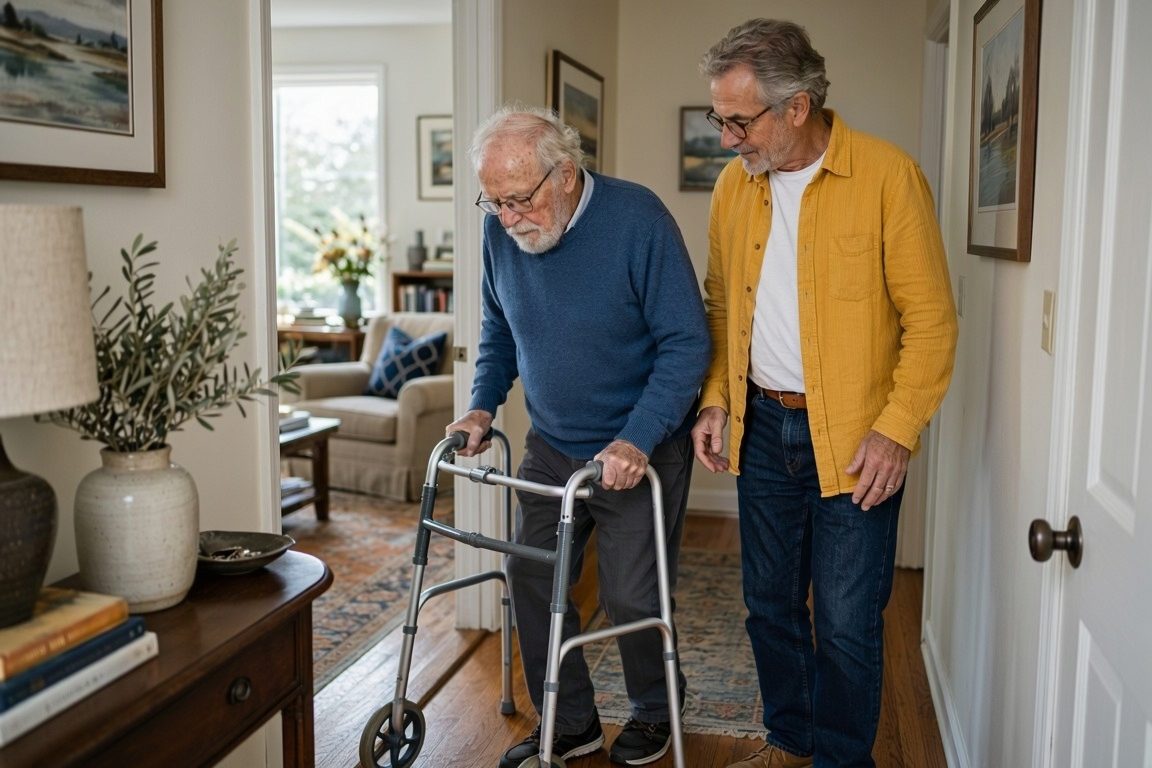
Step by step
What not to do
- Don't write off balance changes or falls as just old age, they are often linked to dementia through the cerebellum and can improve with exercises and environmental changes.
- Don't try to fit or teach a new mobility device yourself; have a physical or occupational therapist set it up, because the cerebellum cannot easily learn new motor sequences.
- Don't read a flat face as a flat heart, look for subtle signs of feeling in breathing, muscle tension, or eye direction, and never scold the person for not reacting as before.
- Don't push through a meltdown during a physical task; stop, soothe, and come back to an easier version later.
- Don't push exercise when the person is resistant or agitated, invite them gently and follow their lead.
- Don't assume someone who is wheelchair-bound or bedridden is beyond reach; gentle rocking, passive range-of-motion, and rhythmic music can still engage the cerebellum.
- Don't mistake cerebellar emotional flatness for depression or assume it means the person no longer cares.
Key points
- The cerebellum coordinates smooth movement and emotional flow; dementia damage here causes unsteady or shuffling walking, falls, flat affect, and emotional short-circuiting.
- It was overlooked for decades but newer research shows it is affected in many dementias, especially Alzheimer's and Lewy body, and has 'override switches' influencing both movement and mood.
- Simplify the environment and use consistent, one-at-a-time verbal-motor cues (like 'Brakes on, hands here') to help the cerebellum process movement safely.
- Flat affect does not mean lack of feeling; respond with warmth, patience, and gentle engagement.
- Gentle rhythmic, repetitive movement, walking, rocking, chair exercises, folding towels, can stimulate the cerebellum and improve both mobility and mood.
- Always check that walker or wheelchair brakes are on before sitting or standing, this one habit prevents many falls.
- Tell the doctor about balance and mood changes, especially sudden ones, which may signal delirium or another treatable condition.
Videos
 Dementia Care Partner Talk Show Podcast, Ep 69: Walkers, Wheelchairs and MoreThis video directly addresses how people with dementia can misuse mobility devices, like mistaking a walker for a chair, which is a classic cerebellar sign. It offers practical tips on safe use.
 Ep. 125: What is the Cerebellum?This episode explains the cerebellum's role in movement and emotion, including the concept of 'getting in the zone' and how dementia disrupts that. Essential for understanding the science behind the advice.
 Surprising Symptoms of Dementia: Part 1Covers 'lack of affect', the flat emotional expression that often stems from cerebellar changes. Helps caregivers recognize and respond to this often-misunderstood symptom.
 Can Facial Changes Be An Early Sign of Dementia?Explores how facial changes (including reduced expression) may be early signs of dementia, linking to cerebellar and other brain changes. Useful for early detection and understanding.
4 more videos
 HOW TO REDUCE YOUR RISK OF DEMENTIA (and slow down dementia for your loved one)Discusses how exercise can regrow brain areas like the hippocampus and potentially benefit the cerebellum. Provides motivation and practical ideas for incorporating movement into daily care.
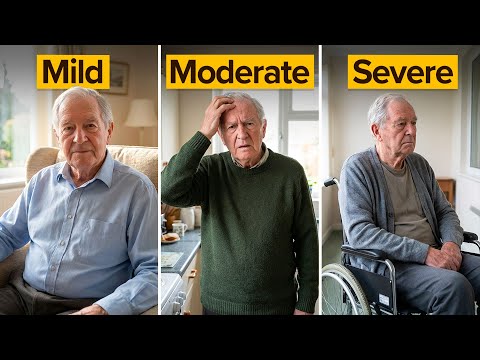 Dementia Progression: What I Wish Caregivers Were ToldAddresses the missing pieces in dementia staging, including the emotional and motor changes that caregivers face. Helps normalize the experience of seeing cerebellar symptoms that don't fit the typical 'stages'.
 Dementia Therapies and InterventionsReviews evidence for physical activity and exercise in dementia, including benefits for gait, balance, and mood.
 Brain Changes and DementiaExplains how different brain regions, including the cerebellum, are affected by dementia and how that changes function.
Background
Understanding the situation
The cerebellum sits at the back of the brain just above the brainstem and holds more than half of the brain's neurons. It acts as the brain's fine-tuner: it coordinates voluntary movement like walking, reaching, balancing, and turning, and it also helps regulate emotion and produce that 'in the zone' flow you feel when walking, dancing, or sewing. That sense of engaged, focused energy, sometimes called 'mojo' or a 'runner's high', comes partly from the cerebellum working well. For decades dementia research and caregiver training focused almost only on the hippocampus (memory) and cortex (thinking and language), treating the cerebellum as a 'motor only' region of little importance. Newer findings show it connects to the emotional (limbic) system and the planning regions of the frontal lobes, and that it can be significantly affected in many dementias, including Alzheimer's and Lewy body dementia. It even has 'override switches' that can spark emotional excitement or distress and dampen some signals while amplifying others. So everyday changes you witness, mistaking a walker for a chair, stumbling over a crack, freezing mid-step, or losing emotional spark (a 'flat affect'), may be direct cerebellar signals rather than separate balance problems or simple aging. A flat face is not a flat heart: the brain's emotional engine is misfiring, but the person may still feel joy and sadness. Because the cerebellum is rarely assessed in standard dementia evaluations, families often aren't offered balance/gait physical therapy or rhythmic movement activities that could genuinely help. Recognizing this overlooked region lets you advocate for that support and use strategies that gently re-engage it.
Practical tools
7
Contrast Tape for Edges and Thresholds (safety tool)
Apply brightly colored tape (yellow or red) to step edges, door thresholds, and bathtub/tub rims so the person can see drop-offs and transitions clearly, reducing tripping. Available cheaply at any hardware store.
Daily Fall and Mood Log (structured tracking)
Keep a notebook with columns for date, time, event (e.g., 'tripped on rug,' 'withdrawn all afternoon'), and what helped. Tracking reveals patterns and triggers; bring it to every appointment and share it with facility nursing staff.
Doctor Visit Question List (scripted prompts)
Bring a short written list so key questions get asked even in a rushed visit, for example: 'Could the cerebellum be contributing to balance and mood changes?' and 'Can we get a PT or OT referral for a balance assessment?' Add any medication and sudden-change concerns (see clinician section).
Medicaid and Low-Resource Strategies (free/low-cost care)
Most of these strategies cost little or nothing:
Call your local Area Agency on Aging to ask about free balance screenings or physical therapy covered through Medicaid. The fall log and verbal cue tools are free, if falls are frequent, prioritize environmental safety first.
The 'Brakes and Hands' Cue
Before every transfer, say the exact same phrase, 'Brakes are on. Hands here.', and guide their hands to the armrests or to yours. Consistent verbal-motor pairing helps the cerebellum anticipate the sequence and prevents falls.
The One-Step Demonstration
Show one movement at a time and wait. First place hands on the walker, pause, then say 'Stand up slow.' Never chain commands together, the cerebellum can process only one motor command at a time.
The Sensory-Motor Pairing
While helping them walk or rock, hum a familiar tune, name something lovely, or offer a gentle hand squeeze. Linking a pleasant sensation to movement helps the cerebellum associate the two, easing agitation and building cooperation.
Different situations
Lewy Body Dementia or Parkinson's Disease Dementia: Cerebellar symptoms often appear earlier and more severely, with pronounced shuffling gait, freezing (sudden inability to start walking), frequent falls, and day-to-day fluctuations in balance and mood. Prioritize fall prevention; use a walker with a seat so they can rest (but ensure they don't try to sit on the walker itself), avoid sudden flooring or lighting changes, and make physical therapy a priority. Use very simple, warm language for pronounced emotional flatness. Discuss motor-symptom medications with a neurologist, and be aware that some dementia and Parkinson's medications can worsen balance or cause dizziness.
Vascular Dementia: Often affects the cerebellum through small strokes damaging blood vessels. Mobility problems may come on suddenly after a stroke and can include one-sided facial or body numbness. Uncontrollable laughing or crying (pseudobulbar affect) is more common. Work closely with the doctor to manage blood pressure, diabetes, and cholesterol to prevent further damage, and make post-stroke physical therapy a priority to retrain movement.
Late-Stage Dementia (bedbound or wheelchair): Movement is still possible and beneficial. Use gentle passive range-of-motion exercises and seated activities like rhythmic clapping or tapping to music; rock them gently in a chair if safe. Don't expect walking; use a lift or transfer aid if needed. Emotional flatness may be more pronounced, offer calming sensory comfort like a warm blanket or familiar playlist, and watch for signs that pain or overstimulation is triggering distress. Always get safe-technique guidance from a physical therapist.
Spouse vs. Adult Child Caregiver: Spouses are often attuned to subtle shifts in a partner's walk or mood; trust those instincts, and use decades of shared routines ('Remember how we used to dance in the kitchen? Let's try one song'). Adult children, especially those living elsewhere, should focus on observing changes during visits, ask about falls, shuffling, and emotional flatness, and be patient learning new care skills. Both roles benefit from a referral to physical therapy and from caregiver support groups for movement-related dementia.
In a Facility (assisted living or nursing home): Staff may not be trained to recognize cerebellar signs, so advocate: share this information, ask them to watch for changes in walking, mobility-device use, and emotional expression, and request use of the 'Brakes and Hands' cue before transfers. Ask for daily structured movement time (rhythmic walking or seated exercises), ensure the room is fall-proofed (no loose rugs, good lighting), share the fall and mood log with nursing staff, and request simple, positive language with extra response time for an emotionally flat resident. You can bring in a familiar playlist or a rocking chair from home.
Medicaid or Limited Resources: Nearly all of these strategies are free or low-cost. Use household items for hand activities, walk indoors or in the yard, and follow free online seated-exercise videos. Contact your Area Agency on Aging about free balance screenings or Medicaid-covered physical therapy. The fall/mood log and verbal cue tools cost nothing, if falls are frequent, put environmental safety first.
Common questions
5
When in doubt about whether a behavior is movement-related or emotional, remember the cerebellum can affect both at once, safety steps and warmth address each.
Consistency is the cerebellum's friend: same words, same demonstration, same order, every time you help with a movement.
Keep favorite music handy, rhythm is one of the easiest, cheapest ways to re-engage movement and mood.
Watch breathing, muscle tension, and where the eyes go to gauge feeling when the face has gone flat.
Use the fall and mood log not just for the doctor but to spot your own patterns about which times of day, rooms, or activities go best.
For the doctor
1
- Always confirm any medical or medication question with a clinician rather than acting alone. Helpful questions to ask: 'Could my loved one's balance and emotional changes be related to dementia changes in the cerebellum, and is there a way to test for this or see a neurologist?' 'Should we see a physical or occupational therapist for a balance/gait assessment and for safe mobility-aid training, and are there exercises that target the cerebellum?' 'If walking, alertness, or emotion changed suddenly, could this be delirium from an infection or medication side effect that we should rule out before assuming dementia progression?' 'Could any current medications, antipsychotics, sedatives, or certain dementia or Parkinson's drugs, be affecting balance, coordination, or causing dizziness, and can any be reduced, changed, or swapped for a lower-risk alternative?' 'For vascular dementia, what can we do to manage blood pressure, diabetes, or cholesterol to prevent further damage?' 'If there is uncontrollable laughing or crying, could this be pseudobulbar affect related to cerebellar or brainstem damage, and are there treatments available?'