
Step by step
What not to do
- Do not argue or reason with them; they cannot process logic in that moment. Validate the feeling and redirect.
- Do not discard all hoarded items at once. Remove a few at a time when they are not watching, focusing on safety hazards.
- Do not correct them if they are doing a task 'wrong' (e.g., folding towels unevenly). The goal is engagement, not perfection.
- Do not leave medications, cleaning products, or sharp objects within reach. Lock them in a high cabinet or safe.
- Do not shame or physically stop them; it increases distress. Offer a safe alternative instead.
Key points
- Rummaging and hoarding are purposeful behaviors driven by brain changes, not defiance or laziness.
- Always check basic needs (hunger, thirst, pain, bathroom) before addressing the behavior.
- Create a safe rummage zone with interesting, harmless items to redirect the behavior.
- Remove hazardous items (medications, cleaners, sharp objects) from accessible areas.
- Use redirection with a calm, neutral script, never argue or shame.
- Focus on safety first: clear pathways, remove spoiled food, and lock dangerous items.
- You are not alone, join a caregiver support group to share tips and emotional support.
Videos
 Wandering, Rummaging, & Hoarding, Oh My!This video explains the common triggers for rummaging and hoarding and offers practical, compassionate strategies for caregivers.
 Hoarding Behaviors Insights and InnovationsProvides deeper insight into the emotional reasons behind hoarding and innovative ways to address the behavior without confrontation.
 [Ep: 4] Caring for a wife with dementia during COVIDA real-life caregiver shares how he adapted his home and routines to manage his wife’s rummaging, including locking items and creating safe spaces.
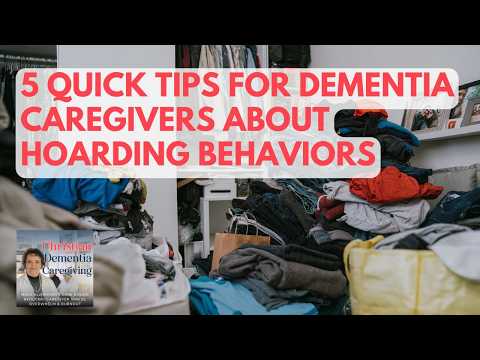 160. 5 Quick Tips for Dementia Caregivers About Hoarding BehaviorsOffers five fast, actionable tips for dealing with hoarding, including how to involve the person and when to remove items discreetly.
2 more videos
 Dementia Wandering: Prevention + What to Do If They Go Missing | Dr. Khushboo VermaWhile focused on wandering, this video also covers how to secure the home and remove triggers that can lead to rummaging and unsafe exits.
 How Hoarding Can Impact Decision MakingExplains the link between hoarding and decision-making difficulties in dementia, helping caregivers understand why reasoning often fails.
Practical tools
4
Safe Rummage Drawer
Duplicate Key Strategy
Redirection Script
When you find them in an unsafe spot, say: 'Oh, I see you are looking for something. I was about to fold towels. Would you like to help me?' Then physically guide them to the new activity.
Gradual Purge Method
Different situations
For someone with Lewy body dementia or Parkinson’s dementia
These individuals often have more visual hallucinations and fluctuating attention. Rummaging may be triggered by seeing something that is not there. Do not argue about what they see. Instead, say, 'I see you are looking at something. Can you show me?' Then redirect to a safe activity. Also, be extra vigilant about removing small objects they might swallow, as swallowing difficulties are common.
Late-stage dementia (when mobility and communication are very limited)
Rummaging may decrease as they become less mobile, but hoarding of small items in their bed or chair can still happen. Focus on safety: keep the bed area clear of loose items that could cause choking or entrapment. Use a lap tray with a few safe objects (soft fabric, a stuffed animal) to give them something to hold. Do not expect them to follow verbal redirection, use gentle touch and physical guidance instead.
Spouse vs. adult child caregiver
Spouses often feel a deeper sense of loss because the behavior disrupts the home they built together. It can help to frame the behavior as a symptom, not a personal attack. Adult children may feel more frustrated by the clutter and may need to set firmer boundaries about safety (e.g., locking certain rooms). Both roles benefit from joining a support group to share strategies and vent feelings.
Living in a facility (assisted living or memory care)
Work with staff to create a small 'personal' space in their room where they can keep a few safe items. Label drawers with pictures. If they are rummaging in other residents’ rooms, staff can redirect them to a common area with a rummage-friendly bin. Share this guide with the care team so they understand the behavior is not intentional.
For someone with a history of clinical hoarding disorder (pre-dementia)
This is more complex and may require a mental health professional’s input. The hoarding is deeply ingrained and tied to identity. Do not try to clear the home without their involvement, it can cause severe distress. Work with an occupational therapist or a social worker who specializes in hoarding. Focus on harm reduction (fire safety, clear pathways, no spoiled food) rather than complete decluttering.
For the doctor
5
- If your loved one is hoarding or hiding medications, ask your doctor about locked medication boxes or pill dispensers with timers.
- If they are eating spoiled food from their hoard, discuss with their clinician whether a feeding evaluation or a change in meal supervision is needed.
- If the clutter is creating fall hazards or blocking exits, ask your doctor for a referral to an occupational therapist for a home safety assessment.
- If your loved one shows signs of depression, anxiety, or agitation along with hoarding, ask about a referral to a geriatric psychiatrist or a dementia specialist.
- If they are hoarding animals, contact your local animal control or social services immediately, this is a safety risk for everyone involved.