Step by step
What not to do
- Don't argue or try to prove them wrong, if needed, say 'I see it differently' then change the subject or walk away.
- Don't take accusations from the person with dementia personally; respond with calm reassurance like 'I'm here to help you, let's find your wallet together.'
- Don't isolate out of shame, reach out to at least one supportive person via call or online group.
- Don't let guilt or pressure to 'be strong' push you to overextend; when criticized for self-care, try 'Taking care of myself helps me take better care of Mom.'
- Don't compare your caregiving journey to others', every situation is unique.
Key points
- Other people's opinions are about their own fears, not your reality. You don't have to make everyone agree with you.
- Your feelings come from the story you tell yourself about their words. You can choose a different story that empowers you.
- Use neutral phrases like 'I hear you' to acknowledge input without agreeing. Set firm boundaries if someone persists.
- Practice responses ahead of time so you're not caught off guard. Rehearse with a friend or in your head.
- Accept that disagreement is inevitable. Your peace is more important than their approval.
- Reach out to supportive people, a support group, therapist, or trusted friend, to process the hurt and gain perspective.
Videos
 How to deal with other people's opinions of you as a dementia caregiverThis video directly addresses the topic of unsolicited opinions and offers a compassionate, practical framework for staying grounded in your own decisions.
 Bonus Live Q & AHear real caregivers share their experiences with family criticism and get live coaching on how to respond. This can help you feel less alone and more equipped.
 How to feel better as a caregiverThis video offers broader emotional support and strategies for managing the stress and guilt that often accompany caregiving, which can be triggered by others' opinions.
 Beverley Glazer Founder of Reinvent Impossible Inc. & Host of 'Aging with Purpose & Passion' PodcastBeverley discusses reframing your role as a choice, which can reduce resentment and help you respond to criticism from a place of strength.
2 more videos
 Pamela Mills Associate Director of Care Management for Corewood CarePamela offers professional insights on setting boundaries with family members and managing the emotional weight of caregiving decisions.
 Why Does Dementia Cause Hallucinations, Delusions, and Paranoia with Lucy Barylak, MSW Aug 10 23Understanding the neurological reasons behind accusations and paranoia can help you not take them personally and respond more effectively.
Background
Why Others' Opinions Hit So Hard
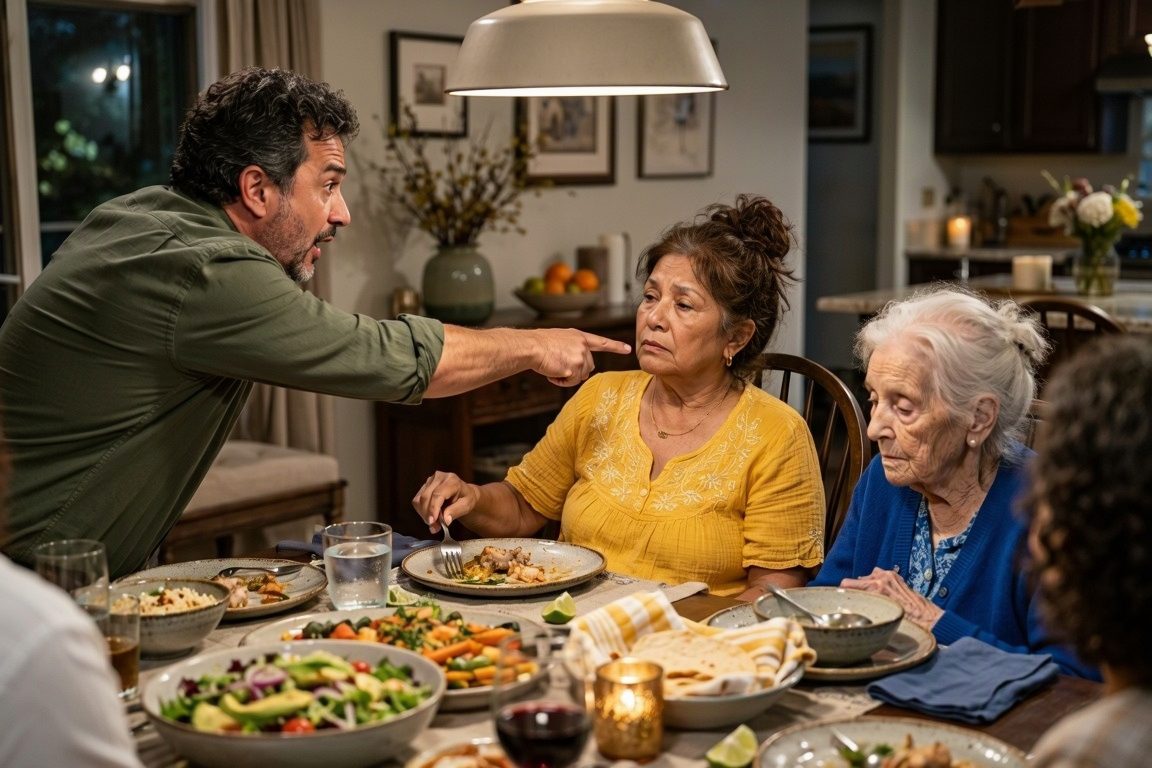
As a caregiver, you're already carrying a heavy load of responsibility, worry, and love. When someone, a sibling, a neighbor, or even a well-meaning friend, questions your choices, it can feel like a direct attack on your competence and dedication. This is especially true because caregiving often involves painful decisions, like considering a facility placement or limiting visits, that you may already be second-guessing. The unsolicited opinion lands right on that tender spot, making you doubt yourself or feel defensive. But here's the truth: their words are not about you. They are about their own fears, guilt, or lack of understanding of what dementia or chronic illness really looks like day to day. Your job is not to make everyone agree with you; your job is to do what is best for you and your person with dementia.
The Real Source of Your Feelings
It may surprise you, but other people's opinions, or even your loved one's behavior, are not the direct cause of your feelings of overwhelm, stress, or frustration. What causes those feelings is the story you tell yourself about what their words mean. For example, if someone says 'You're a bad caregiver,' you might feel hurt, angry, or ashamed. But notice that the feeling comes from your interpretation, 'They're right, I'm failing' or 'They have no idea what I go through.' The actual comment is just a sound. You have the power to choose a different story: 'That's their opinion, not my reality. I know how hard I'm trying.' This shift doesn't dismiss your emotions, but it puts you back in the driver's seat. You can acknowledge the sting and then decide not to let it steer your actions.
The Role of Resentment and Guilt
Resentment often bubbles up when you feel like a victim, 'Why me? Why do I have to do this alone?' That resentment can then morph into anger or guilt, especially if you start believing you 'should' be able to handle everything perfectly. But the truth is, caregiving is a choice, even when it doesn't feel like one. You could walk away, but you choose to stay because you love your person. Reframing it as a choice, 'I choose to care for Mom because I want her to have the best quality of life possible', takes away the sense of powerlessness. It also gives you permission to ask for help, set limits, and make decisions that others might not understand. Guilt, too, is normal, but it doesn't have to run your life. Acknowledge it, then remind yourself: you are doing the best you can with what you have.
Practical tools
5
Tiered Response Scripts
A set of phrases that escalate from neutral acknowledgment ('I hear you, I'll think about that') to a firm boundary ('I've made my decision and I'm not discussing this further'); keep saved in phone notes for quick access.
The 'Why' Reminder Card
Write your top one to two reasons for a difficult decision (e.g., 'Placing Dad in memory care keeps him safe and gives me rest') and keep it in your pocket or as your phone lock screen to read before responding.
The 5-Minute Journaling Break
Set a timer and write freely using prompts like '
' to release emotion without ruminating.
The Support Contact List
Curate 3–5 people or hotlines you can call or text when an opinion stings, a close friend, supportive sibling, caregiver support group, or online forum, saved as phone favorites for one-tap outreach.
The Dementia Accusation Reframe
Three-step response when your loved one accuses you: (1) pause and breathe, (2) say calmly 'I'm sorry you're upset, let me help you find it,' and (3) redirect to a simple shared task like looking in a drawer together.
Different situations
If you're an adult child caregiver (vs. spouse)
Adult children often face more unsolicited opinions from siblings or other relatives who feel they 'should' be the one caring for Mom or Dad. You may also hear 'You're not doing enough' or 'You're putting them in a home too soon.' Your response can include: 'I'm doing what I can with the resources I have. If you'd like to help, here's what I need.' This shifts the conversation from criticism to collaboration.
If the person with dementia has Lewy body dementia or Parkinson's dementia
These types often involve hallucinations, paranoia, or accusations that can be mistaken for intentional behavior. Others may think your loved one is 'just being difficult' or that you're exaggerating. Educate them briefly: 'This is a symptom of their condition. It's not personal, but it's very real for them.' Then redirect the conversation to what you need, not their judgment.
If you're caring for someone in a facility
Family members may question your decision to place your loved one, saying things like 'You should have kept them home' or 'The staff doesn't know what they're doing.' Your response: 'I made this choice after careful thought. I visit often and advocate for their care. If you have concerns about the facility, I'd be happy to discuss them with you and the staff together.' This invites collaboration rather than defense.
If you're a long-distance caregiver
Others may assume you're not doing 'real' caregiving because you're not there daily. They might say 'You don't know what it's like' or 'You should move closer.' Acknowledge their perspective: 'I know it's hard from far away. I coordinate their medical appointments, manage finances, and visit when I can. I'm doing my best with the distance.' Then set a boundary: 'I need support, not criticism.'
If you're caring for someone with early-stage dementia
At this stage, the person may still appear 'normal' in short conversations, leading others to think you're overreacting. They might say 'They seem fine to me' or 'You're being too protective.' Your response: 'I'm glad they had a good moment with you. At home, they forget to eat, get lost, or become anxious. I'm planning ahead so they stay safe.' This educates without being defensive.
For the doctor
3
- If you find yourself feeling persistently angry, resentful, or hopeless despite using these strategies, talk to your doctor or a therapist about whether you might be experiencing depression or caregiver burnout.
- If your loved one's accusations (e.g., of stealing, infidelity) are escalating or becoming dangerous, discuss with their neurologist or geriatric psychiatrist whether medication adjustments or behavioral interventions might help.
- If you're considering placing your loved one in a facility and feel pressured by family to keep them home, discuss the decision with a social worker or elder care attorney who can help you evaluate safety, legal, and financial factors.