What not to do
- Do not rely on a single past agreement, consent is not permanent and can change with cognitive fluctuations.
- Do not assume that silence or lack of objection means consent, actively seek verbal or behavioral agreement.
- Do not share information that could stigmatize, humiliate, or expose the person to unwanted identification or pity.
Key points
- Consent for a person with dementia is moment-by-moment and concrete, they can agree to a photo now but may not understand future sharing online.
- Never post images or stories of your loved one during vulnerable moments like distress, confusion, or incontinence.
- Use privacy settings to limit who sees your posts, and avoid sharing full names, locations, or medical details.
- Involve the person with dementia in the decision as much as possible, even if their understanding is limited.
- Join private caregiver support groups for emotional support instead of posting publicly about struggles.
- If you have any doubt about a post, do not share it. You can always delete later, but prevention is better.
Videos
 All Home Care Matters Presents 'Ethics of Dementia & Social Media'This video directly addresses the ethics of consent and the need for a collaborative process with the person with dementia and their caregivers.
 Previewing 'Ethics of Dementia & Social Media' DiscussionA preview that highlights the risks of posting without consent and the lack of safeguards on social media platforms.
 Time with Teepa - They Say it is a Squirrel but I Do Not Think SoTeepa Snow discusses how people with dementia can give consent in the moment but are vulnerable to exploitation, which is key to understanding ethical posting.
 10 Quick, Useful Dementia Facts You Should Know As a New CaregiverProvides foundational knowledge about dementia that helps caregivers understand why dignity and respect are crucial in all interactions, including social media.
2 more videos
 Refusals in Dementia Care: How to Start and Maintain a Positive Approach with Our Visual CuesTeaches how to read nonverbal cues, which is essential for knowing when a person with dementia is uncomfortable with being photographed or recorded.
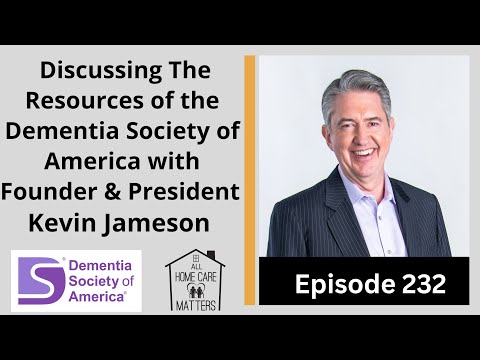 Discussing The Resources of the Dementia Society of American with Founder, Kevin JamesonOffers insight into resources and support for caregivers, including ethical considerations around sharing personal stories.
Background
The Core Ethical Question: Can a Person with Dementia Give Consent?
The heart of the issue is whether a person with dementia can truly understand what it means to have their image, story, or diagnosis shared online. Experts emphasize that consent is not a simple yes or no, it depends on the moment, the context, and the person’s current abilities. For example, someone might be able to agree to a photo being taken right now, but they may not grasp that this photo could be seen by thousands of people for years to come. This is what makes them incredibly vulnerable, as Teepa Snow points out: they can give consent for immediate, concrete things but not for abstract, future consequences. The ethical rule is to never assume that because someone nods or says “okay” in the moment, they fully understand the lasting impact of a social media post.
Why This Matters: Dignity, Respect, and the Risk of Harm
Posting about a person with dementia without careful thought can unintentionally strip them of their dignity. Experts warn against treating adults like children, using baby talk or posting embarrassing moments, because it reinforces a false narrative that dementia robs someone of their personhood. In reality, dementia does not take away a person’s dignity; it is the way others treat them that can do that. When you post a video of a confused or upset moment, you are not just sharing a struggle, you are potentially broadcasting a private, vulnerable experience that the person would never have chosen to share themselves. This can lead to feelings of shame, loss of autonomy, and even exploitation by scammers who target people with dementia on platforms like Facebook. The goal is to share in a way that uplifts, not diminishes.
The Collaborative Process: Involving the Person and Their Circle
Ethical sharing requires a collaborative process that involves the person with dementia as much as possible, along with their closest caregivers. This means having ongoing conversations about what is okay to post and what should stay private. Even if the person cannot give full informed consent, you can still involve them by asking simple, moment-to-moment questions: “Would you like me to take a picture of us smiling together?” or “Is it okay if I share this story with my friends?” Their answer in that moment matters. Additionally, include other family members or professional caregivers in the decision, especially if the content might affect the person’s reputation or relationships. This shared responsibility helps prevent one person from making a unilateral choice that could later cause regret.
Practical tools
2
Ongoing consent check
Before each post, briefly re-ask or observe the person's reaction. If they seem confused, distressed, or say no, do not share, regardless of a previous yes.
Private circle review
Create a small, trusted group of close caregivers (family, close friends) who can give feedback on whether a potential post respects the person's dignity and consent.
Different situations
If you are a family caregiver (spouse or adult child)
You have the closest relationship, which can make it tempting to share intimate moments. But remember: your loved one’s dignity is separate from your need for support. Use private caregiver groups for venting. When you do post publicly, focus on positive moments that celebrate their personality, not their deficits. Involve other family members in the decision to avoid conflict later.
If you are a professional caregiver or advocate
You are bound by stricter ethical and legal rules. Never post any content that identifies a person you care for without written consent from the person (if capable) and their legal guardian. Even with consent, avoid posting anything that could be seen as exploitative. Instead, share general tips and stories that do not identify individuals. Follow your organization’s social media policy and HIPAA guidelines.
If the person is in early-stage dementia
They may still be able to give meaningful consent and understand consequences. Involve them actively in decisions about what to share. Ask them directly: 'Would you like to help me make a post about our day?' Let them choose the photo or write the caption. This empowers them and respects their autonomy.
If the person is in late-stage dementia
They likely cannot give informed consent. In this case, default to maximum privacy. Do not post any images or stories that could be seen as undignified. If you need to share, use text-only posts that describe your experience without identifying details. Focus on your own feelings: 'Caring for someone in late-stage dementia is challenging. I’m grateful for quiet moments.'
If the person has Lewy body dementia or frontotemporal dementia
These types often involve more behavioral symptoms like paranoia, hallucinations, or disinhibition. Avoid posting any content that captures these symptoms, as they can be easily misunderstood or mocked. The person may also become suspicious of your phone or camera. Respect their discomfort and put the device away. Share only with close, trusted friends in private messages.
For the doctor
4
- If you are unsure whether your loved one can legally consent to having their image shared, ask their doctor or a social worker for guidance on capacity assessment.
- If you are considering posting about a person who has a legal guardian, discuss with the guardian what is and is not allowed under their legal authority.
- If your loved one has a history of being targeted by online scams, ask their clinician for resources on digital safety and how to report fraudulent accounts.
- If you are a professional caregiver and your employer does not have a clear social media policy, ask your supervisor or legal department for written guidelines before posting anything.