
Step by step
What not to do
- Don't ignore early signs and push through, burnout rarely fades on its own; acknowledge them and pick one step to try today.
- Don't skip your own medical appointments; treating them as non-negotiable protects both your health and your ability to care.
- Don't use alcohol, drugs, or prescription medicines to numb stress, they deepen depression and raise accident risk; instead, reach out to a support group, therapist, or doctor.
- Don't isolate yourself from emotional support, as isolation leaves your nervous system stuck and worsens burnout.
Key points
- Caregiver burnout is a gradual process marked by small changes like snapping, numbness, frequent illness, and sleep problems; it is not a personal failure.
- The main cause of burnout is doing too much, not too little; releasing perfectionism is a powerful first step.
- Emotional isolation accelerates burnout; humans need connection to regulate stress. Reach out to one person today.
- Respite care is essential; even 20 minutes of break can help. In Norway, ask your municipality about avlastning and dagsenter services.
- Prioritize your own health: do not skip medical appointments, eat regularly, move your body, and get sleep.
- You are not alone. Support groups, professional help, and concrete tools like the 'Just One Thing' checklist can help you reverse burnout and continue caring with resilience.
Videos
 4 Things MAY Mean YOU have Caregiver Burnout PLUS 3 Things to Do TODAY to HELP!This video clearly outlines the early signs of burnout and gives three immediate actions you can take, which aligns with our step-by-step approach.
 Why Do Dementia Caregivers Experience Burnout And Depression? - TestIt explains the unique challenges of dementia caregiving that lead to burnout, reinforcing the understanding section.
 How Do Healthcare Providers Address Caregiver Burnout in Dementia Care? | TestThis video discusses professional support systems and education, which complements our tools and personalization sections.
 Dementia Caregivers! 3 Signs You're Burning OutIt focuses on three specific signs of burnout, which matches the early warning signs described in our understanding section.
2 more videos
 Can Dementia Guidance Help Reduce Caregiver Burnout? | TestThis video shows how guidance and education can reduce burnout, supporting the idea that knowledge is a tool for prevention.
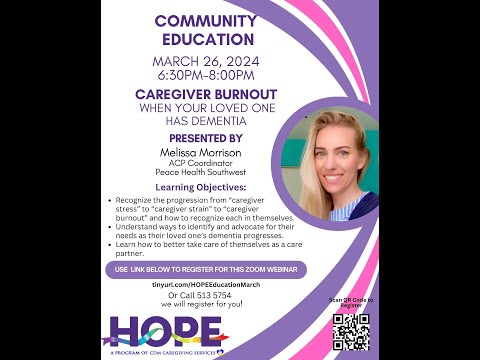 Caregiver Burnout when your Loved One has DementiaIt provides a compassionate overview of burnout in dementia caregiving, reinforcing the emotional and practical advice in our article.
Background
The gradual slide from stress to burnout
Caregiver burnout rarely arrives with a dramatic crash. Instead, it creeps in through small, subtle changes that many caregivers mistake for personal weakness. You might find yourself snapping more easily at your loved one or others, feeling emotionally numb or detached, or going through the motions of caregiving without the same patience or connection you once had. You may notice that you catch every cold or stomach bug that comes around; this lowered immunity is a direct physical response to chronic stress. Sleep becomes a battleground: either you cannot stay awake and want to sleep all the time (which can also signal depression), or your mind races at night and you lie awake waiting for the next disruption. These are not signs that you are failing; they are hallmarks of a nervous system that has been under prolonged strain.
Why dementia caregiving is uniquely draining
Caring for someone with dementia is not like other caregiving roles. The person you care for experiences cognitive decline, memory loss, personality changes, and challenging behaviors that can shift unpredictably. This means you are constantly adapting to new problems: managing confusion, handling agitation, and providing supervision for safety. The level of dependency is high and often increases over time, creating a relentless cycle of demand. Because dementia affects the brain, your loved one may not be able to express gratitude or cooperate, which can leave you feeling unappreciated and isolated. Many caregivers pour everything they have into the role and then watch themselves lose their own identity in the process. The truth is that 90% of caregiver burnout comes from doing too much, not from doing too little. You are trying to be perfect, to prevent every problem, and to keep your loved one calm at all times, but that is impossible when dementia is a neurological condition.
The role of isolation and lack of support
Humans regulate stress through connection. In neuroscience, this is called coregulation: our nervous systems calm down in the presence of other regulated people. When caregivers feel emotionally isolated, even if they are in a room full of people, that stress has nowhere to go. Emotional isolation accelerates burnout not because you are weak, but because caregiving was never meant to be done in total emotional isolation. Nearly 85% of family caregivers do not receive any sort of respite care. Many do not seek it because of cost, not knowing who to turn to, or feeling guilty about taking time for themselves. Without breaks, without someone to talk to who truly understands, the burden grows heavier. The constant supervision, the loss of personal time, and the financial strain all pile up. Over time, this can lead to depression, anxiety, sleep disorders, and even physical health problems like heart disease and diabetes. It is vital to understand that taking care of yourself is not selfish; it is necessary if you want to continue caring for your loved one.
Practical tools
2
Caregiver Support Group Finder
Locate in-person or online support groups via the Norwegian Health Association or local dementia organizations to share honestly with people who understand.
Fastlege Referral
In Norway, ask your fastlege (general practitioner) for a referral to a psychologist or caregiver support program when self-help steps are not enough.
Different situations
For an adult child caring for a parent with early-stage Alzheimer's in Norway
You may be balancing work, your own family, and caregiving. Prioritize setting boundaries with your employer; in Norway, you have legal rights to caregiving leave (omsorgspermisjon). Use your fastlege to get a referral for caregiver support. Adult daycare (dagsenter) is often subsidized by the municipality; ask about 'avlastning' (respite) services. Release the guilt of not being able to do everything; your parent's dementia is not your fault, and you are allowed to have a life outside caregiving.
For a spouse caring for a partner with early-stage Alzheimer's at home
The emotional toll is often higher because you are losing your life partner. You may feel guilty for feeling angry or sad. It is vital to maintain your own social connections; schedule regular time with friends or a hobby. Use the 'respite request script' to ask family or neighbors for help. In Norway, you can apply for 'omsorgsstønad' (caregiver allowance) from the municipality. Remember that your identity is not only a caregiver; you are still a person with your own needs and dreams.
For a professional caregiver working in an institutional setting in Norway
Burnout in professional caregiving often comes from high caseloads, emotional demands, and lack of support from management. Use your workplace's employee assistance program (bedriftshelsetjeneste) for counseling. Set clear boundaries between work and home; do not take work home with you. Practice team coregulation: take a moment with a colleague to debrief after a difficult shift. Advocate for regular supervision and team meetings to share the emotional load.
For a caregiver who is also managing their own chronic health condition
Your health is even more fragile. Do not skip your own medical appointments; they are as important as your loved one's. Ask your doctor about stress management techniques that are safe for your condition. Use the 'emergency self-care card' daily. Consider hiring a professional caregiver for a few hours a week through Norwegian home care services (hjemmetjeneste) to give you a break. You cannot care for someone else if you are not well yourself.
Common questions
1
What are the long-term financial and career consequences of leaving the workforce to care for a loved one?
Leaving the workforce can reduce your pension, savings, and career growth, but start by checking if your municipality offers partial avlastning or dagsenter support so you can keep some work hours. Prioritize one small financial step today, like meeting with a social worker or calling NAV, to protect your long-term stability.
For the doctor
5
- If you are experiencing symptoms of depression, such as persistent sadness, loss of interest in activities, or thoughts of harming yourself or others, talk to your fastlege or a mental health professional immediately.
- If you are misusing alcohol, drugs, or prescription medications to cope with stress, discuss this with your doctor. They can refer you to addiction services or provide safer alternatives.
- If you have physical symptoms like chest pain, shortness of breath, or severe headaches that do not go away, see your doctor. These could be signs of stress-related heart disease or other conditions.
- If you are struggling to sleep despite using the sleep hygiene kit, ask your doctor about safe sleep aids or a referral to a sleep specialist.
- If you feel that your caregiving role is causing you to neglect your own chronic health conditions (e.g., diabetes, high blood pressure), discuss a care plan with your doctor that includes regular checkups and medication management.