
Step by step
What not to do
- Do not ignore early signs like snapping or numbness. Many caregivers assume something is wrong with them and push through. This backfires because it deepens burnout.Instead, acknowledge the signs as signals and take a small step to regulate, like deep breathing or reaching out.
- Do not try to do everything perfectly. Perfectionism leads to exhaustion and guilt.Instead, release the belief that you must prevent every problem. Accept that some days will be hard, and that is okay.
- Do not isolate yourself emotionally. Even if you are surrounded by people, emotional isolation accelerates burnout.Instead, find one or two close confidants you can turn to when you need to talk. Connection is a biological need.
- Do not wait until you are in crisis to seek help. Burnout is reversible, but the longer you wait, the harder it is to recover.Instead, seek professional help early, even if you are just feeling a little off.
- Do not neglect your own health. Burnout can lead to sleep disorders, depression, and even elder abuse or neglect.Instead, prioritize your own well-being as a way to sustain your ability to care for others.
- Do not assume you have no power. Feeling powerless increases stress.Instead, remind yourself that you are in control of how you respond to what happens. This gives you a sense of agency and reduces burnout.
Key points
- Burnout is a nervous system state, not a personal failure. It is reversible with rest and connection.
- Trauma-informed care focuses on safety, choice, and coregulation, not just self-care tips.
- The key difference between burnout and trauma: burnout is gradual exhaustion; trauma is a response to an overwhelming event.
- Release perfectionism: you cannot prevent every problem. Doing enough is enough.
- Use coregulation: connect with one trusted person to calm your nervous system.
- Seek professional help early; it is a proactive and empowering choice.
Videos
 How Do Healthcare Providers Address Caregiver Burnout in Dementia Care?This video explains how healthcare providers use support systems, education, and practical strategies to address burnout, which aligns with the trauma-informed approach of building connection and knowledge.
 Dementia Caregivers! 3 Signs You're Burning OutThis video helps you recognize early signs of burnout like snapping or numbness, which are key to catching nervous system dysregulation early.
 How Do I Find a Therapist for Caregiver Burnout?This video guides you in finding a therapist trained in trauma-informed care, which is a critical step for nervous system regulation.
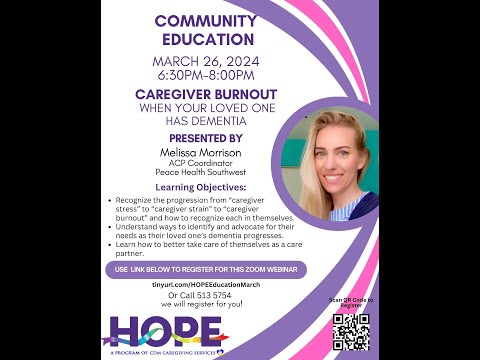 Caregiver Burnout when your Loved One has DementiaThis video discusses the emotional and physical toll of dementia caregiving and offers strategies for managing stress, complementing the trauma-informed perspective.
2 more videos
 4 Things MAY Mean YOU have Caregiver Burnout PLUS 3 Things to Do TODAY to HELP!This video provides immediate actionable steps to address burnout, which can be integrated into a trauma-informed self-care plan.
 Dr. Lorre Laws Author of 'Nursing Our Healer's Heart - A Recovery Guide for Nurse Trauma & Burnout'This video explores the intersection of trauma and burnout, offering recovery strategies that are directly applicable to family caregivers.
Background
What Is a Trauma-Informed Approach to Burnout?
A trauma-informed approach recognizes that chronic caregiving stress can activate the same survival responses as trauma: hypervigilance, emotional numbness, and a sense of powerlessness. Burnout is not a personal weakness; it is a physiological state where your nervous system has been in a prolonged 'fight, flight, or freeze' mode. This approach shifts the focus from 'just take care of yourself' to understanding how your body and brain are responding to relentless demands. It emphasizes safety, choice, and connection as the antidote to burnout.
How Is Burnout Different from Trauma?
Burnout is a gradual erosion of energy and compassion due to chronic stress, while trauma is a specific response to a distressing event or series of events that overwhelms your ability to cope. Burnout can feel like emotional exhaustion, depersonalization, and reduced personal accomplishment. Trauma often involves intrusive memories, avoidance, and a heightened startle response. However, the two can overlap: prolonged burnout can trigger trauma responses, and unresolved trauma can make you more vulnerable to burnout. The key difference is that burnout is reversible with rest and support, while trauma may require deeper therapeutic work. Both benefit from nervous system regulation, but trauma-informed care addresses the underlying sense of threat.
Why Nervous System Regulation Matters
Your nervous system calms down when it feels safe and connected to others. This is called coregulation. When caregivers feel emotionally isolated, even in a room full of people, stress has nowhere to go. Emotional isolation accelerates burnout because caregiving was never meant to be done in total isolation. A trauma-informed approach teaches you to recognize when your nervous system is dysregulated (e.g., racing heart, shallow breathing, irritability) and use simple techniques to bring it back to a state of calm. This is not about fixing everything; it is about giving your body a chance to reset.
Practical tools
6
The 'Check-In' Script
Use this phrase when you feel overwhelmed: 'I am feeling [emotion]. My body feels [sensation]. I need [one small thing].' For example: 'I am feeling angry. My chest is tight. I need to step outside for two minutes.' This simple script helps you name your experience and take action.
Coregulation Contact List
Write down the names and phone numbers of two people you can call or text when you need connection. Keep this list in your phone or on your fridge. When you feel isolated, reach out to one of them and say: 'I don't need advice, I just need to vent for five minutes.'
The 'Power Pause' Technique
Set a timer on your phone to go off every two hours. When it rings, stop what you are doing and take three slow breaths. Place one hand on your heart and one on your belly. Say to yourself: 'I am safe right now. I can handle this moment.' This resets your nervous system.
Respite Care Resource List
Create a list of local
Keep this list handy so you can access it quickly when you need a break. Many communities offer low-cost or sliding-scale options.
The 'What I Can Control' Journal
Each day, write down three things you can control (e.g., 'I can choose to take a 10-minute walk,' 'I can say no to one extra task,' 'I can ask for help with dinner'). This shifts focus from powerlessness to agency.
Nervous System Regulation App
Download a free app like 'Insight Timer' or 'Calm' and use a guided breathing or body scan exercise for 5 minutes. Many apps have specific tracks for stress and burnout. Use this as a daily practice, not just in crisis.
Different situations
Lewy body dementia or Parkinson's dementia
These conditions often involve hallucinations, movement issues, and rapid changes in cognition. The unpredictability can heighten hypervigilance and trauma responses. Focus extra on coregulation and safety planning. Use simple, repetitive routines to reduce anxiety for both you and your loved one. Seek a therapist familiar with Lewy body dementia.
Late-stage dementia
In late stages, your loved one may be bedbound or non-verbal. Burnout risk is high because care is physically demanding and emotionally draining. Prioritize respite care and professional support. Use the 'Power Pause' technique frequently. Consider hospice or palliative care for additional support.
Spouse vs. adult child caregiver
Spouse caregivers often have a longer history with the person and may feel a deeper sense of loss. They may also be older and have their own health issues. Adult children may juggle caregiving with work and their own family. Both need to release perfectionism, but spouse caregivers may need extra grief support, while adult children may need help setting boundaries with siblings.
Caregiver living with the person vs. care from a distance
Live-in caregivers face 24/7 demands and may have less opportunity for breaks. They need to build in daily micro-breaks and use respite care. Distance caregivers may experience guilt and worry, which can also dysregulate the nervous system. They need to practice self-compassion and set realistic expectations for what they can do.
Medicaid or limited financial resources
If cost is a barrier, explore free support groups (online or in-person), community-based respite programs, and sliding-scale therapy. Many Alzheimer's Association chapters offer free resources. Use the 'Coregulation Contact List' tool to lean on friends and family for emotional support.
For the doctor
5
- If you experience intrusive memories, flashbacks, or avoidance related to caregiving, discuss these with a therapist trained in trauma-informed care.
- If you have thoughts of harming yourself or your loved one, seek immediate help from a crisis line or your clinician.
- If you have a history of trauma and are finding caregiving triggers overwhelming, ask your clinician about trauma-focused therapy like EMDR or cognitive behavioral therapy.
- If you are experiencing severe sleep disruption, depression, or anxiety, discuss medication options or referrals with your doctor.
- If you are considering making changes to your loved one's medication or care plan, always consult their healthcare provider first.