
Step by step
What not to do
- Don't ignore small burnout signs (irritability, fatigue, numbness). Treat them as cues to check in and ask for support.
- Don't try to prevent every problem or manage every behavior perfectly. Aim for 'good enough.'
- Don't isolate emotionally. Even a short conversation with a trusted person calms your nervous system.
- Don't skip respite due to guilt or cost. Small breaks are medically necessary.
- Don't neglect your own physical health: nutrition, movement, and your own medical appointments matter.
Key points
- Burnout starts with small changes like irritability or numbness, not a breakdown. Recognize these early signs as signals to seek support.
- Release perfectionism: dementia is neurological, and difficult moments will happen despite your best efforts. You are doing enough.
- Connection is biological: your nervous system calms down when you are with a regulated person. Seek out support groups or trusted confidants.
- Respite care is essential: even a few hours a week can prevent burnout. Ask friends, family, or look into adult daycare.
- Therapy is not a luxury, it is a tool to process grief, manage stress, and find renewed purpose. Ask your doctor for a referral.
- Adapt your approach to the dementia stage: routines and safety in middle stages, comfort and connection in late stages.
Videos
 How Do Healthcare Providers Address Caregiver Burnout in Dementia Care?This video explains how healthcare providers use support systems, education, and practical strategies to combat burnout, reinforcing the importance of seeking professional help.
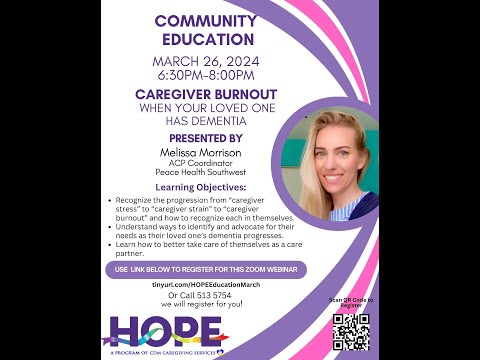 Caregiver Burnout when your Loved One has DementiaThis video discusses the emotional and physical toll of burnout and offers strategies for managing stress, aligning with the trauma-informed emphasis on self-compassion.
 How Do Caregivers Cope With Loss Through Therapy?Therapy is a key tool in trauma-informed caregiving, this video shows how it helps caregivers process grief and build resilience.
 Quick Tips: Tools to Prevent Caregiver BurnoutProvides quick, actionable tools that complement the daily check-in and emergency kit suggestions in this article.
2 more videos
 Quick Tips: Tips for New CaregiversNew caregivers often feel overwhelmed, this video offers foundational tips that align with the 'release perfectionism' and 'seek connection' steps.
 Dementia Caregivers! 3 Signs You're Burning OutDirectly addresses the early signs of burnout (snapping, numbness, fatigue) and reinforces the importance of recognizing them early.
Background
What Is Trauma-Informed Caregiving?
Trauma-informed caregiving means recognizing that both you and your loved one carry histories of stress and trauma that shape how you react to caregiving challenges. For caregivers, this framework shifts the focus from 'fixing everything perfectly' to understanding that your own emotional and physical responses are normal reactions to an abnormal situation. When you feel irritable, numb, or exhausted, it is not a sign of weakness, it is a sign that your nervous system is overwhelmed and needs support. This approach encourages you to pause, check in with yourself, and respond with self-compassion rather than self-criticism.
Why Burnout Happens and How Trauma Plays a Role
Caregiver burnout is a state of physical, emotional, and mental exhaustion caused by prolonged stress. It often begins with small changes: snapping more easily, feeling emotionally numb, or going through the motions without the same patience or connection you once had. Because these changes happen gradually, many caregivers assume something is wrong with them. But burnout is not a personal failing, it is a predictable outcome when caregiving demands exceed your resources. Trauma-informed care adds another layer: if you have experienced past trauma (as most humans have), caregiving can trigger those old wounds, making stress feel even more intense. Your nervous system may stay on high alert, leading to compassion fatigue, anxiety, or depression. Recognizing this pattern is the first step toward healing.
The Role of Connection and Coregulation
Humans regulate stress through connection. In neuroscience, this is called coregulation, your nervous system calms down in the presence of another regulated person. When caregivers feel isolated, even in a room full of people, that stress has nowhere to go. Emotional isolation accelerates burnout. Trauma-informed caregiving emphasizes building a support network not just for practical help, but for emotional regulation. This could be a support group, a trusted confidant, or a therapist who understands the unique challenges of dementia care. You are not meant to do this alone.
Practical tools
7
Daily Check-In Script
Three times a day, ask: 'How am I feeling? What do I need now?' Use a journal or phone note to build self-awareness.
Respite Care Request Template
Say: 'I need a break to recharge. Could you sit with [name] for two hours on [day]? I'll set everything up.' Specific requests get yeses.
Support Group Finder
Call the Alzheimer's Association 24/7 Helpline (800-272-3900) or visit their website for local or online groups.
Perfectionism Release Sticky Note
Write 'I am doing enough. I do not have to prevent every problem. I am human.' Place it on your mirror, kettle, or nightstand.
Emergency Burnout Kit
A small bag with calming items:
Use for a 10-minute reset.
Caregiver Health Checklist
Weekly review:
If missing three or more, pick one to prioritize.
Advance Directive Prep List
Before meeting an attorney, gather:
Different situations
Lewy body dementia (LBD)
LBD often involves fluctuations in cognition, visual hallucinations, and movement issues. This can be more unpredictable and stressful. Focus on creating a calm, predictable environment and use the 'check-in' tool more frequently. Seek support groups specifically for LBD caregivers, as the challenges differ from Alzheimer’s.
Late-stage dementia
In late stages, your loved one may be bedbound or nonverbal. Burnout risk remains high due to physical demands and grief. Prioritize your own sleep and respite care even more. Shift focus from task completion to moments of connection, holding a hand, playing soft music. Consider hospice support for both of you.
Spouse vs. adult child caregiver
Spouse caregivers often live with the person 24/7 and may have their own health issues. They need more respite and permission to take breaks. Adult child caregivers may juggle work, kids, and caregiving, they need help with scheduling and guilt about not doing enough. Both benefit from therapy and support groups tailored to their role.
Caregiving in a facility (e.g., nursing home)
Even if your loved one is in a facility, you still experience stress and grief. You may feel guilty about not providing direct care. Focus on building a partnership with staff, visiting at consistent times, and taking care of yourself. Use support groups for family members of facility residents.
Low-income or Medicaid-dependent families
Respite care and adult daycare may be more affordable through Medicaid waivers or local Area Agencies on Aging. Ask a social worker about these options. Also, free support groups and online resources (like the Alzheimer’s Association) can provide connection without cost.
For the doctor
5
- Ask your doctor: 'Could my fatigue, irritability, or sleep problems be related to caregiver burnout? What treatments or referrals do you recommend?'
- If you feel depressed, anxious, or have thoughts of harming yourself or your loved one, tell your doctor or call a crisis line immediately.
- Discuss with your clinician whether medication for anxiety, depression, or sleep might help you manage burnout symptoms.
- If your loved one has behavioral symptoms that are overwhelming, ask the doctor about non-drug strategies or medications that might reduce distress for both of you.
- Ask about local resources: 'Are there caregiver support programs, respite care vouchers, or counseling services available through this clinic or hospital?'