Step by step
What not to do
- Do not confront a staff member directly about suspected abuse in front of others. This can escalate tension and make the staff member defensive.Instead, report your concerns to a supervisor privately.
- Do not assume that a burnt-out staff member is a 'bad person.' Most care workers enter the field because they care. Burnout is a system failure, not a character flaw. Blaming individuals without addressing the root causes (understaffing, low pay, lack of support) won't fix the problem.
- Do not ignore small signs of neglect, like a missed bath or a delayed response to a call bell. These can be early indicators of a deteriorating care environment. Document everything and bring it up at care plan meetings.
- Do not rely solely on official complaint systems. Many families fear retaliation or feel their concerns are dismissed. Use multiple channels: speak to the social worker, the director of nursing, and the ombudsman if needed.
- Do not forget to care for yourself. If you are constantly anxious about your loved one's safety, you may also be experiencing burnout. Your own stress can cloud your judgment and make it harder to advocate effectively. Seek support from a caregiver support group or counselor.
Key points
- Staff burnout, especially depersonalization, is linked to higher rates of staff-reported abuse and neglect in care homes.
- The MARQUE study found that for every one-point increase in depersonalization, the odds of abusive behavior rose by about 19%.
- Physical abuse is rare (1.1% of staff reported it), but verbal abuse (5%) and neglect are more common and often go unreported.
- Family members can help by observing staff interactions, reporting concerns calmly, and advocating for better working conditions.
- Building positive relationships with staff reduces their emotional isolation and can prevent burnout from turning into harmful behavior.
- Systemic issues like understaffing and low pay are root causes; individual blame is unhelpful and unfair.
Videos
 Coping with Caregiver BurnoutThis video offers practical coping strategies for caregivers, which can help you understand the emotional toll that leads to burnout and how to prevent it in yourself and others.
 Time with Teepa - Resident - to - Resident AggressionTeepa Snow discusses resident-to-resident aggression, which is often triggered by staff burnout and lack of supervision. Understanding this dynamic helps families see the bigger picture of facility stress.
 Why Do Dementia Caregivers Experience Burnout And Depression? - TestThis video explains the unique stressors of dementia care that lead to burnout, giving context for why staff in memory care units are especially vulnerable.
 How Do Healthcare Providers Address Caregiver Burnout in Dementia Care? | TestLearn what healthcare providers recommend for addressing burnout, which can inform your advocacy for better staff support in your loved one's facility.
2 more videos
 4 Things MAY Mean YOU have Caregiver Burnout PLUS 3 Things to Do TODAY to HELP!This video helps you recognize burnout signs in yourself and others, which is crucial for identifying when staff may be at risk of acting out.
 Managing Caregiver Stress & BurnoutA general guide to managing stress that can be applied to understanding the pressures care home staff face daily.
Background
The Burnout-to-Abuse Link: What the Research Shows
A large English national study called the MARQUE survey found that care-home staff who scored higher on burnout, specifically the depersonalization dimension, were significantly more likely to anonymously report abusive or neglectful behavior toward residents. The study, published in PLOS ONE, reported that for every one-point increase in depersonalization scores, the odds of staff reporting abusive behavior rose by about 19%. Depersonalization means feeling emotionally detached, treating residents as objects rather than people, and losing empathy. This is not about 'bad people' working in care homes; it's about how chronic stress changes a person's ability to connect and respond with compassion.
What Counts as Abuse or Neglect in This Context?
In the MARQUE study, 1.1% of staff reported physical abuse and 5% reported verbal abuse toward residents. But the researchers emphasize that these numbers likely represent only the 'tip of the iceberg' because staff were reporting their own behavior anonymously. Abuse can include yelling, using harsh tones, ignoring call bells, rushing through care tasks, withholding food or fluids, rough handling during transfers, or using restraints unnecessarily. Neglect, failing to provide timely care, is also a form of abuse and is often more common than physical aggression. When staff are burnt out, they may cut corners, become irritable, or simply stop noticing a resident's needs.
Why Burnout Leads to Harmful Behavior
Burnout doesn't just make staff tired; it changes how they think and feel. Emotional exhaustion drains their ability to regulate emotions, so they snap more easily. Depersonalization makes them see residents as 'the one in room 12' rather than as Mrs. Jones who loves flowers. Reduced personal accomplishment makes them feel their work doesn't matter, so they stop trying. This combination creates a perfect storm: a staff member who is too exhausted to be patient, too detached to care, and too hopeless to ask for help. The result can be subtle neglect or outright abuse, often without the staff member fully realizing how far they've drifted from person-centered care.
Practical tools
4
The 'Three-Minute Observation' Checklist
During each visit, take three minutes to quietly observe the unit. Note:
Write down your observations in a small notebook. Over time, patterns will emerge that you can share with management.
The 'I Notice' Script for Reporting Concerns
Use this phrase to start a conversation with a supervisor: 'I notice that sometimes when staff help my mom with bathing, they seem rushed and she gets upset. I'm worried this might be because they have too many residents to care for. Can we talk about how to make sure she gets the time she needs?' This is non-accusatory and opens a dialogue.
The 'Burnout Risk' Conversation Starter for Staff
When you have a good relationship with a staff member, you can say: 'You seem like you have a lot on your plate. I know this job is really hard. Is there anything the family can do to make your day a little easier?' This validates their experience and builds trust, making them more likely to report problems before they escalate.
The 'Care Plan Meeting' Agenda Item
Before each care plan meeting, write down one specific question about staff well-being. For example: 'What is the current staff turnover rate on this unit?' or 'What training do staff receive on managing their own stress?' This keeps the issue on the facility's radar.
Different situations
If your loved one has dementia and lives in a memory care unit
Staff in memory care units face even higher burnout because residents may have unpredictable behaviors like aggression or wandering. Depersonalization can happen faster when staff feel they are 'just managing behaviors' rather than connecting with the person. Ask specifically about training in person-centered dementia care and whether staff have access to dementia-specific support groups.
If your loved one is in a facility that is understaffed or has high turnover
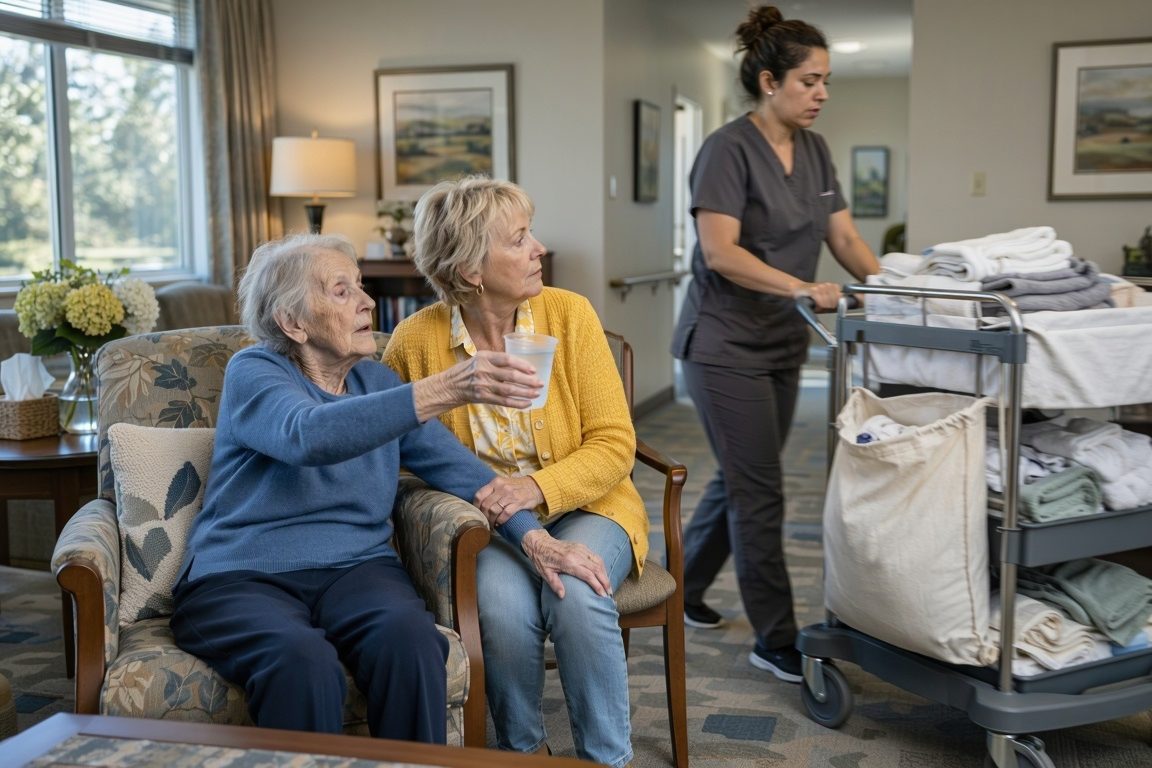
In understaffed homes, burnout is almost a given. Focus on building relationships with the consistent staff who remain. They may be overwhelmed but still caring. Offer to help with small tasks (like folding laundry) to lighten their load, which can reduce their stress and improve care for your loved one.
If you are a spouse visiting daily vs. an adult child visiting weekly
Spouses who visit daily may notice subtle changes in staff mood and behavior that weekly visitors miss. Keep a log of dates and times when you see signs of burnout. Adult children who visit less often should ask staff directly: 'How are things going? Any new challenges?' and listen for clues in their tone.
If your loved one has a history of being abused or neglected
Be hypervigilant. Request that your loved one be placed in a unit with lower staff-to-resident ratios. Ask for a written care plan that includes specific protections, like a no-restraint policy and a requirement that two staff members be present during transfers. Document every interaction with staff and management.
For the doctor
3
- If you suspect your loved one has been physically abused, ask the facility's nurse or doctor to perform a thorough physical exam and document any injuries. Do not try to assess injuries yourself.
- If your loved one shows sudden changes in behavior (new fearfulness, aggression, or withdrawal), discuss with their doctor whether this could be a reaction to mistreatment or a change in their condition.
- If you are considering moving your loved one to another facility due to concerns about abuse, talk to their doctor or social worker about the risks and benefits of transfer, especially for someone with dementia who may become more confused.