Step by step
What not to do
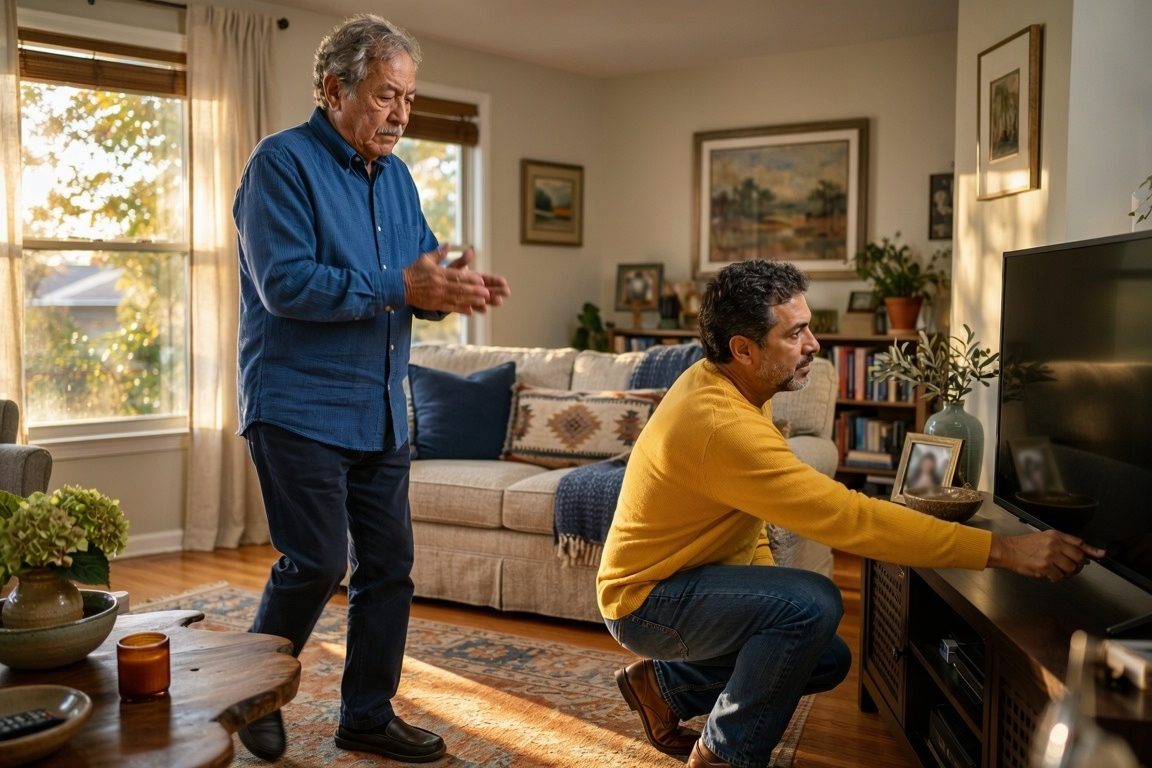
- Do not argue or try to reason with them. Their brain cannot process logic. Arguing only escalates frustration.Instead, validate their feelings and redirect.
- Do not use physical restraint or force. This can increase fear and aggression. If safety is a concern, step away and call for help.
- Do not ignore pain or medical issues. Many behaviors are caused by untreated pain, constipation, or infection. Always check with a doctor first.
- Do not use medications as a first resort or to make caregiving easier. They have serious risks, including falls, stroke, and death. Use them only when behaviors are dangerous and non-drug methods have failed.
- Do not change the routine suddenly. People with Alzheimer's thrive on predictability. A sudden change can trigger confusion and agitation. Introduce changes slowly and with warning.
- Do not take behaviors personally. They are symptoms of the disease, not a reflection of your care. Remind yourself: 'This is the disease talking, not my loved one.'
Key points
- Behavioral symptoms are usually a form of communication, look for unmet needs first.
- Always rule out medical causes (pain, infection, medication side effects) before trying other strategies.
- Non-drug approaches, like validation, redirection, and environmental changes, should be tried first and often work.
- Medications are a last resort for dangerous behaviors; they come with serious risks and require careful monitoring.
- Keep a behavior journal to identify triggers and patterns; share it with the doctor.
- Take care of yourself, your well-being directly affects your loved one's behavior and your ability to care for them.
Videos
 How to Manage Anger and Aggression in Alzheimer's DiseaseThis video offers practical, step-by-step techniques for de-escalating aggressive episodes, which is a core part of managing behavioral symptoms.
 5 Tips for Managing Medications in Alzheimer’s DiseaseMedication management is crucial when behavioral symptoms are treated with drugs. This video provides tips for organizing and administering medications safely.
 Communication & Dementia: Connecting with a Person living with Memory LossEffective communication is the foundation of managing behaviors. This video teaches validation and redirection techniques that reduce agitation.
 Dementia Therapies and InterventionsThis video covers a range of non-drug therapies, including music and art, which can be powerful tools for calming behavioral symptoms.
2 more videos
 Forget Me Not #1 Bestseller Alzheimer's & Dementia Training Guide Family & Professional CaregiversThis training guide offers a comprehensive overview of dementia care, including behavior management strategies for family caregivers.
 Alzheimer's What it Is and What it Looks Like (Mini Series Part 1)Understanding the disease process helps caregivers depersonalize behaviors and respond with empathy, which is key to reducing distress.
Practical tools
6
The 'What's Wrong?' Checklist
A simple mental or written checklist to run through when a behavior starts:
This helps you move from panic to problem-solving.
Behavior Journal Template
Keep a notebook or use a phone app. For each episode, note: date, time, what happened before (trigger), the behavior itself, what you did, and what helped. Over time, patterns emerge, like sundowning or after certain activities. This is gold for the doctor.
Calming Phrases to Say
Say these exact words in a soft tone: 'I am here with you. You are safe.' 'Let's take a walk together.' 'I see you are upset. I want to help.' 'Would you like to sit with me for a minute?' Avoid 'calm down' or 'stop that.'
Environmental Setup for Sundowning
In the late afternoon,
Reduce noise and activity. This can prevent the agitation that often comes at dusk.
Medication Management Kit
Use a weekly pill organizer with large compartments. Set phone alarms for each dose. Keep a list of all medications (name, dose, time, reason) and bring it to every doctor visit. If the person refuses pills, ask the pharmacist if the medication comes in a liquid or patch form.
Respite Care Resource
Look into adult day centers or in-home respite care through your local Area Agency on Aging. Even a few hours a week can give you a break and reduce your stress, which in turn helps your loved one stay calmer.
Different situations
For someone with Lewy body dementia
Be extra cautious with antipsychotic medications. People with Lewy body dementia can have severe, even fatal, reactions to typical antipsychotics. Always discuss this with a specialist. Non-drug approaches are even more critical here. Visual hallucinations are common, do not argue; instead, acknowledge their experience and gently redirect.
In late-stage Alzheimer's
Behaviors often become less frequent as the person becomes less mobile and verbal. Focus on comfort: check for pain, provide gentle touch, play familiar music. Medications may be tapered or stopped, as their benefit is unclear in this stage. Consult the doctor before making any changes.
If you are an adult child caregiver
You may struggle with guilt or role reversal. It is okay to set boundaries. Use respite care. Do not try to do it all alone. Join a support group for adult children. Remember, you are not failing if you ask for help.
If your loved one is in a facility
Share your behavior journal with the staff. Ask about their non-drug approaches. Visit during different times of day to observe. If medications are used, ensure they are reviewed regularly. You are still the advocate, speak up if something seems off.
For a spouse caregiver
This is a profound loss of partnership. Grieve openly. Seek couples counseling or a support group for spouses. Do not neglect your own health. It is not selfish to take time for yourself, it is necessary.
For the doctor
5
- Ask your doctor: 'Could a urinary tract infection or constipation be causing this behavior?'
- Ask: 'What are the risks and benefits of antipsychotic medication for my loved one's specific situation?'
- Ask: 'Is there a plan to try to taper off this medication after a few months?'
- Ask: 'Are there any non-drug therapies, like music therapy or pet therapy, available in our area?'
- Ask: 'Can you refer me to a geriatric psychiatrist or a dementia behavior specialist?'