
Step by step
What not to do
- Do not assume a general therapist will automatically understand caregiver burnout. Many therapists have no training in the specific challenges of dementia caregiving, such as managing repetitive questioning, wandering, or the grief of progressive loss. Always ask about their experience with caregivers before committing.
- Do not wait until you are in crisis to seek help. Burnout often builds gradually, and early signs like irritability or emotional numbness are easier to address than full-blown depression or physical illness. Waiting can lead to worsening health problems, including depression, sleep disorders, and even elder abuse or neglect.
- Do not think you have to handle everything alone. Many caregivers feel they must be perfect or that asking for help is a sign of weakness. In reality, releasing perfectionism is one of the most effective ways to reduce burnout. You are not invincible, and overcommitting yourself is a surefire way to hit burnout quickly.
- Do not ignore the need for respite care while you attend therapy. Even if you find a therapist, you still need practical breaks. Ask friends or family to sit with your loved one for an hour, or look into adult day programs or in-home respite services. Without a break, therapy alone may not be enough to reverse burnout.
- Do not give up if the first therapist does not feel like a good fit. It may take a few tries to find someone who truly understands your situation. Trust your gut, if you feel judged, rushed, or misunderstood, keep looking. The right therapist will make you feel safe and supported.
Key points
- Caregiver burnout is a unique state of exhaustion that requires specialized support, a general therapist may not understand the specific pressures of dementia caregiving.
- Use online directories with filters for 'caregiver burnout' or 'dementia caregiver,' and always ask potential therapists about their experience during a free consultation.
- Teletherapy and flexible scheduling can remove barriers to attending sessions, especially when you cannot leave your loved one.
- Combine therapy with practical respite care, ask friends, family, or adult day programs for help so you can actually attend sessions.
- Do not wait until you are in crisis; early signs like irritability or emotional numbness are easier to address with professional help.
- If cost is a barrier, explore sliding-scale fees, community mental health centers, or Employee Assistance Programs.
Videos
 How Do I Find a Therapist for Caregiver Burnout?This video directly answers your question with practical steps for locating a therapist who understands caregiver burnout.
 How Do Healthcare Providers Address Caregiver Burnout in Dementia Care? | TestExplains how doctors and healthcare systems can support caregivers, including referrals to therapists and support groups.
 Quick Tips: Tools to Prevent Caregiver BurnoutOffers quick, actionable tools that complement therapy, such as journaling and setting boundaries.
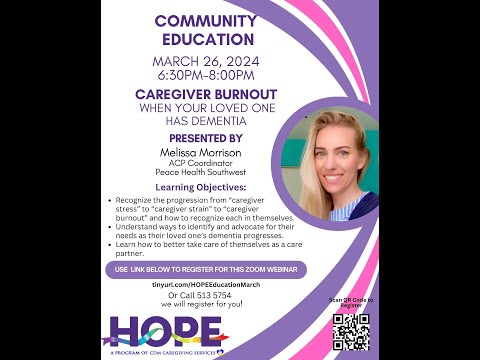 Caregiver Burnout when your Loved One has DementiaFocuses specifically on dementia caregivers and the emotional challenges that a therapist can help you navigate.


Background
What Caregiver Burnout Really Is
Caregiver burnout is more than feeling tired or overwhelmed. It is a profound exhaustion that affects your body, emotions, and mind, often building gradually over months or years. You might snap more easily, feel emotionally numb, or go through the motions of caregiving without the same patience or connection you once had. These small changes are early signs that your nervous system is overloaded and needs support. As one expert explains, humans regulate stress through connection, our nervous systems calm down in the presence of other regulated people. When you feel emotionally isolated, even in a room full of people, that stress has nowhere to go, and burnout accelerates.
Why a Specialized Therapist Matters
A general therapist may not grasp the unique pressures of caregiving: the 24/7 responsibility, the grief of watching a loved one decline, the financial strain, and the lack of a clear finish line. A therapist who specializes in caregiver burnout offers a safe, confidential space where you can process complex emotions without judgment. They can introduce techniques like cognitive behavioral therapy to reframe negative thoughts, mindfulness practices to reduce stress in the moment, and guidance on setting healthy boundaries. This specialized support helps you navigate the caregiving journey with more strength and peace, ultimately benefiting both you and the person you care for.
The Hidden Toll of Isolation
Many caregivers feel they must handle everything alone, but this belief is a major driver of burnout. Research shows that nearly 85 percent of family caregivers do not receive any respite care. When you don't feel understood, something essential is missing. A therapist trained in caregiver issues can help you release the perfectionism that says you must prevent every problem or keep your loved one calm at all times. Dementia is neurological; difficult moments will happen despite your best efforts. Letting go of that impossible standard can relieve a tremendous amount of pressure.
Practical tools
5
The 'Three-Question' Therapist Screening Script
Before booking a session, call or email the therapist and ask these three questions:
Write down their answers to compare later.
The 'Burnout Self-Check' Journal
Keep a small notebook or a note on your phone where you track three things each day:
Bring this journal to your first therapy session, it gives the therapist concrete data and helps you see patterns.
The 'Respite Bridge' Plan
Before you start therapy, identify at least one person (friend, family member, or paid aide) who can sit with your loved one for 1-2 hours per week. Write down their contact info and a backup option. Also list local adult day centers or in-home respite agencies. This ensures you have the practical freedom to attend sessions without added stress.
The 'Caregiver Support Group' Warm-Up
Join an online or in-person caregiver support group before or alongside therapy. Groups provide a space to share experiences and learn from others. They can also help you feel less isolated and give you language to describe your feelings, which makes therapy more productive. Many groups are free and meet virtually.
The 'Therapist Fit' Scorecard
After an initial consultation, rate the therapist on a scale of 1-5 for:
If the total score is below 12, consider looking for another option.
Different situations
You are caring for someone with Lewy body dementia or frontotemporal dementia
These conditions often involve more pronounced behavioral changes, hallucinations, or personality shifts, which can be especially distressing. When searching for a therapist, specifically ask if they have experience with these types of dementia. They may need to help you with strategies for managing agitation or paranoia, as well as grief over the loss of the person you knew. Support groups for these specific diagnoses can also be invaluable.
You are a spouse versus an adult child caregiver
Spouse caregivers often face a different emotional landscape, they are losing a life partner and may feel a deep sense of identity loss. Adult children may struggle with role reversal, guilt, and balancing their own family and career. When interviewing therapists, mention your specific relationship. A therapist who understands these nuances can tailor their approach, such as helping a spouse with anticipatory grief or an adult child with boundary-setting.
Your loved one is in a facility (nursing home or assisted living)
Even after placement, caregiver burnout can persist. You may still feel guilt, worry about quality of care, or struggle with the emotional transition. A therapist can help you process these feelings and develop a new role as an advocate rather than a hands-on caregiver. Look for therapists who have experience with 'post-placement' caregiver issues.
You are on Medicaid or have limited financial resources
Cost should not stop you from seeking help. Many community mental health centers offer sliding-scale fees based on income. Also check if your state's Medicaid program covers mental health counseling. The Alzheimer's Association helpline (800-272-3900) can provide referrals to low-cost resources. Some therapists also offer pro bono sessions for caregivers in financial hardship.
You are in the early stages of your loved one's dementia
Early-stage caregivers often underestimate the toll of caregiving because the demands are still manageable. However, building a relationship with a therapist now can prevent burnout later. A therapist can help you establish healthy routines, set boundaries, and plan for future challenges. Early intervention is key to long-term resilience.
For the doctor
4
- If you are experiencing symptoms of depression (persistent sadness, loss of interest, changes in appetite or sleep) or anxiety, ask your doctor about whether medication might be helpful alongside therapy.
- If you have trouble sleeping for more than two weeks, discuss sleep hygiene strategies and whether a sleep study or medication is appropriate for your situation.
- If you find yourself misusing alcohol, drugs, or prescription medicines to cope, tell your doctor immediately. They can connect you with addiction resources and adjust your treatment plan.
- If you have missed your own medical appointments or have worsening health conditions (e.g., high blood pressure, heart disease), talk to your clinician about how to prioritize your health while caregiving.