
Step by step
What not to do
- Do not argue about clutter or use logic to devalue their possessions; prioritize validation and emotional safety.
- Do not discard items without their knowledge or consent, as broken trust can trigger distress or aggression.
- Do not attempt a full-house cleanup; work on one small area at a time, together.
- Do not label them a 'hoarder' or treat the behavior with shame, it is a disease symptom.
- Do not ignore the behavior hoping it will pass; early gentle intervention prevents escalating risks and crises.
Key points
- Hoarding in dementia is usually a symptom of brain changes (loss of executive function) and a need for comfort and control, not willful messiness.
- Safety first: focus on removing fire hazards, fall risks, and spoiled food. Everything else can wait.
- Involve your loved one in the process whenever possible to preserve their trust and sense of control.
- Use redirection, safe rummage areas, and decoy items to manage the behavior without confrontation.
- Never argue, throw things away behind their back, or try to clean everything at once. Go slow and be gentle.
- This behavior is common in early and middle stages of dementia and can be managed with patience and practical strategies.
Videos
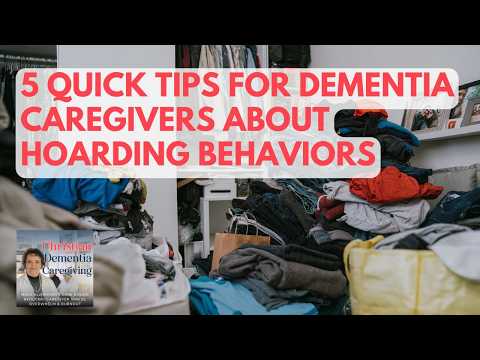 5 Quick Tips for Dementia Caregivers About Hoarding BehaviorsThis video offers five actionable, easy-to-remember tips that directly address the emotional and practical sides of hoarding, perfect for a stressed caregiver who needs quick guidance.
 Wandering, Rummaging, & Hoarding, Oh My!This video connects hoarding with related behaviors like wandering and rummaging, helping you see the bigger picture of how these actions are all linked to the same underlying needs.
 Ep. 282: Unpacking Hoarding and Brain Health: A Fresh Approach to Understanding and CareThis longer episode provides a deeper, more compassionate framework for understanding hoarding as a brain health issue, which can shift your perspective and reduce caregiver frustration.
 Hoarding Disorder in Geriatric PatientsThis video helps distinguish between lifelong hoarding disorder and dementia-related hoarding, which is crucial for choosing the right approach.
2 more videos
 Dementia Food Secrets: Expert Q&A with Molly Robinson,RDIf your loved one is hoarding food, this video offers expert advice on nutrition, food safety, and how to address the underlying reasons for food hoarding.
 How to prevent your loved one with dementia from misplacing all the important thingsThis video provides practical strategies for preventing the loss of important items, which is a common trigger for hoarding and searching behaviors.
Practical tools
3
Safe Rummage Box
A box of safe, tactile objects (old keys, fabric scraps, wooden spoon, plastic cups) placed where they naturally linger. When they start collecting random items, guide them there and say, 'Look at these interesting things, want to see?' This channels sorting urges into a contained space.
Decoy System for Important Items
Buy inexpensive duplicates of often-lost items (glasses, wallet, keys) and place them in known locations. For documents, give them a copy to carry and store originals safely. This reduces panic and prevents loss.
Familiar Object Kit
A small rotating basket of 3–5 soothing, tactile objects (a favorite hat, stuffed animal, smooth stone). When they become distressed searching for a misplaced object, calmly offer one and say, 'Can you hold this for me?' The familiar texture calms anxiety.
Different situations
Early stage vs. middle stage
In the early stage, your loved one may still have some insight and can participate in decisions about what to keep. You can have more conversations about safety and organization. In the middle stage, insight is often lost, and you will need to rely more on redirection, creating safe rummage areas, and using decoy items. Cleaning should be done more discreetly and with their involvement, even if it is just symbolic.
Spouse caregiver vs. adult child caregiver
A spouse may have a harder time being objective because the clutter may feel like a personal loss or a betrayal of their shared life. It can be helpful for a spouse to join a support group or work with a dementia coach. An adult child may have more emotional distance but may also feel a stronger urge to 'fix' the problem quickly. Both roles benefit from slowing down and focusing on safety and emotional comfort rather than perfection.
Lewy body dementia vs. Alzheimer's disease
In Lewy body dementia, visual hallucinations and fluctuations in attention are common. Your loved one may hoard items because they believe they are protecting them from something they see or fear. Pay attention to what they say about the items and validate their feelings. In Alzheimer's, the hoarding is more often driven by memory loss and disorganization. The same safety-first approach applies, but you may need to be more vigilant about visual cues and reassurance in Lewy body cases.
Living at home vs. in a facility
At home, you have more control over the environment and can create designated rummage areas. In a facility, you may need to work with staff to ensure your loved one has a safe space to keep a few personal items. Advocate for a small, locked drawer or a labeled box where they can keep treasures. Also, remind staff that this behavior is a symptom, not a discipline issue, and that gentle redirection is the best approach.
If there is a history of true hoarding disorder before dementia
If your loved one had hoarding disorder before dementia, the behavior may be more entrenched and harder to manage. In this case, you may need professional help from a therapist or organizer who specializes in hoarding. The dementia will make it harder for them to engage in the cognitive work of decluttering, so focus on safety and harm reduction. You may need to accept a higher level of clutter than you would with someone who developed hoarding only after dementia.
Common questions
5
What causes hoarding in dementia and how should I approach cleanup?
Hoarding in dementia is caused by brain changes that affect decision-making and a need for comfort and control. Start cleanup by only removing immediate fire hazards and spoiled food, doing it slowly and with your loved one's involvement to keep their trust.
What causes hoarding and how should I approach cleanup?
This behavior stems from brain changes that reduce executive function and a deep need for security. When cleaning, focus solely on safety risks like tripping hazards or rotten items, and always work alongside your loved one without throwing things away in secret.
What are the signs and triggers of hoarding in older adults?
Common signs include collecting items with perceived value, resisting discarding objects, and rummaging through trash or drawers. Triggers are often boredom, anxiety, or feeling a loss of control, so offering a safe rummage box or a simple task can help redirect them.
Why does my loved one rummage or hoard and what can I do?
Rummaging and hoarding happen because your loved one is seeking comfort or trying to maintain control in a confusing world. Offer a designated safe rummage area or decoy items like folded towels, and gently guide them away from unsafe areas instead of arguing.
What is hoarding disorder and what are its key symptoms?
Hoarding disorder involves persistent difficulty discarding possessions regardless of actual value, leading to clutter that disrupts living spaces. Key symptoms include extreme distress at the thought of throwing things away and accumulating items to the point of creating safety hazards, but in dementia, it's usually a symptom of brain changes, not a separate disorder.
For the doctor
5
- If your loved one is hoarding medications (old prescriptions, expired pills, or multiple bottles), do not handle this yourself. Ask their doctor or pharmacist how to safely dispose of medications and whether a medication management system (like a locked box or a daily pill organizer) is appropriate.
- If you suspect the hoarding is causing or worsening a health problem, such as skin infections from unsanitary conditions, respiratory issues from dust and mold, or malnutrition from eating spoiled food, discuss these concerns with their primary care provider.
- If your loved one becomes aggressive or extremely distressed when you try to clean or remove items, talk to their doctor about whether anxiety medication or a referral to a behavioral health specialist might help.
- If you are unsure whether the behavior is truly dementia-related hoarding or a separate mental health condition like obsessive-compulsive disorder, a geriatric psychiatrist or neurologist can help clarify the diagnosis and guide treatment.
- If the hoarding involves dangerous items like sharp objects, tools, or chemicals, discuss with a clinician how to safely remove these from the home without causing a crisis.