Key points
- Brain reserve is built over a lifetime through learning, socializing, and mental activity. It acts as a backup system that helps the brain compensate for damage caused by dementia.
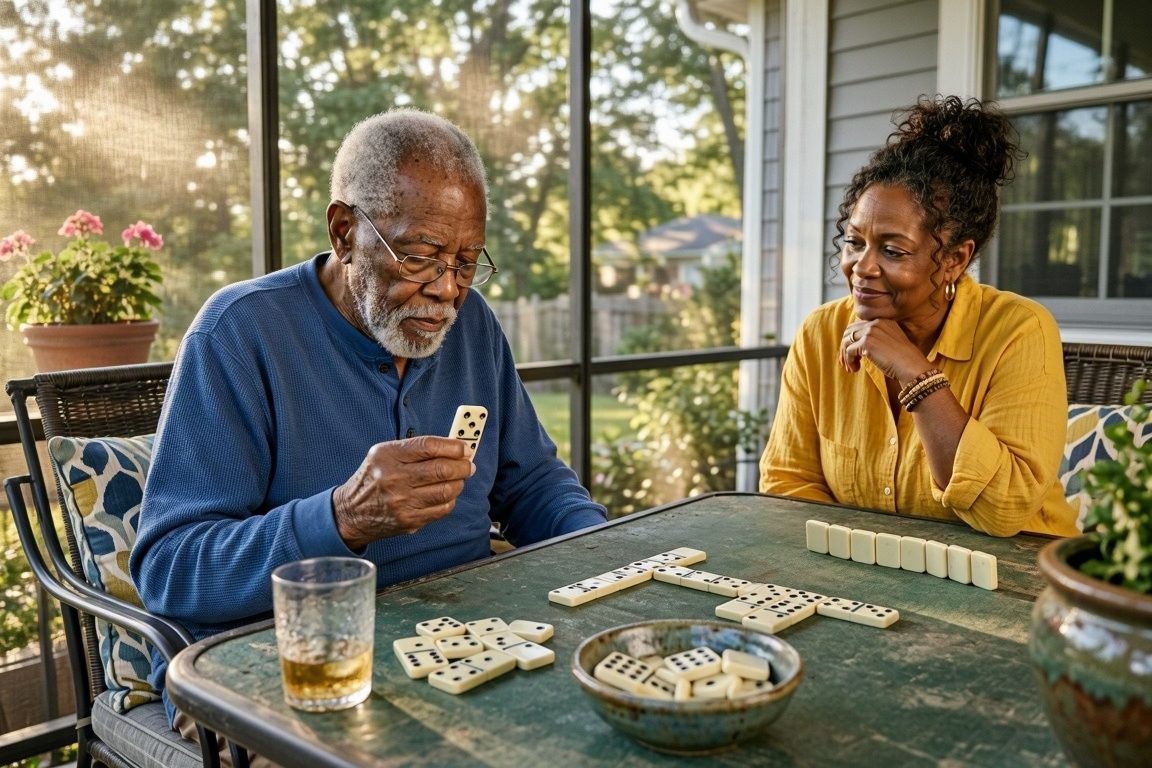
- The 'use it or lose it' principle means that engaging in meaningful, enjoyable activities can help maintain and strengthen brain connections, potentially delaying symptom progression.
- Everyday activities like folding laundry, listening to music, or looking at photos can support brain health, no expensive brain games needed.
- Avoid quizzing, correcting, or rushing the person. These actions drain cognitive reserve and cause distress.
- Use simple, one-step instructions, give extra time to respond, and stop activities while the person is still enjoying them.
- Care for your own brain health too, your well-being directly affects your ability to support your loved one.
Videos
 How Can Mixed Dementia Patients Show Surprising Resilience?This video explains how cognitive reserve helps people with mixed dementia adapt and maintain function, reinforcing the concept that resilience is possible even with multiple brain changes.
 Brain Changes and DementiaTeepa Snow describes how the brain shrinks and how people with dementia use their cognitive reserve just to get through the day. This helps caregivers understand why rest and low-demand activities are so important.
 SUP! with Catherine LivingstoneThis video discusses the importance of social engagement and meaningful activity for brain health, offering practical ideas for building cognitive reserve through connection.
Background
What Is Brain Reserve?
Brain reserve is your brain's ability to cope with damage and keep functioning. Imagine a city with many roads. If one road is closed due to construction, traffic can still flow because there are alternate routes. Similarly, a brain with high reserve has built many extra connections (like extra roads) over a lifetime through learning, socializing, and mentally stimulating activities. When dementia damages cells and closes some pathways, the brain can reroute information along these backup connections. This is why two people with the same amount of brain damage can have very different symptoms: the one with higher reserve may appear much less affected because their brain is compensating. As one expert explains, 'We can build cognitive reserve, meaning that even though the cells in our brain are dying, outwardly we're doing pretty well. We're compensating because we've built up so many highways, so many neuro connections that when one is closed down, they find another one to get to' (source 2).
How Does 'Use It or Lose It' Apply?
The 'use it or lose it' principle is about actively maintaining and strengthening those brain connections. Just like a muscle that weakens without exercise, brain connections can become less efficient if not used. For a person living with dementia, every day is work. As Teepa Snow describes, 'A person living with dementia is working… they are using their cognitive reserves to present as well as possible, to function as well as possible, to motivate, to try to feed themselves or do whatever they can to get through that day' (source 4). This means that engaging in meaningful, enjoyable activities, even simple ones, can help keep those pathways active. It's not about forcing 'brain games' or hard puzzles; it's about providing opportunities for the person to use their remaining skills in a supportive, low-pressure way. For example, helping with a familiar task like folding laundry or sorting photos uses memory, motor skills, and social connection, all of which support brain health.
Why Resilience Is Possible Even With Mixed Dementia
Mixed dementia (e.g., Alzheimer's combined with vascular dementia) can seem overwhelming, but many people show remarkable strength and adaptability. This resilience isn't about curing the disease, but about finding ways to live well despite it. Cognitive reserve can help delay the progression of symptoms and allow individuals to hold onto their memory and reasoning skills longer (source 1). The key is to focus on what the person can still do, not what they've lost. By providing the right support and reducing stress, you help them conserve their cognitive reserve for the things that matter most, like connecting with you and maintaining a sense of purpose.
Practical tools
3
Activity reminders
Set up a simple daily schedule with visual cues or alarms to prompt engagement in mental, social, or physical tasks.
Adaptive exercise equipment
Use items like resistance bands, light hand weights, or a sturdy chair for safe seated exercises.
Social connection aids
Use phone, video call apps, or scheduled group activities to maintain regular contact with friends or family.
Different situations
Lewy body dementia (LBD)
People with LBD often have fluctuating attention and may experience visual hallucinations. Avoid activities that require sustained focus. Use short, 5-minute activities and allow for frequent rest. If they seem confused or see things that aren't there, do not argue. Instead, say: 'I see you are looking at something. Can you tell me about it?' Then gently redirect to a safe, familiar object. Their cognitive reserve may be more fragile, so protect it by keeping the environment calm and predictable.
Late-stage dementia
In late stages, the person may have very limited verbal ability and be bed-bound. Focus on sensory and emotional connection rather than cognitive tasks. Use gentle touch, soft music, and familiar scents (like lavender). Speak in a calm, reassuring tone even if they don't respond. Your presence and calm energy can help them feel safe, which supports whatever reserve they have left. Do not expect them to participate in activities; instead, focus on comfort and dignity.
Spouse vs. adult child caregiver
As a spouse, you may feel a deep sense of loss and grief. It is important to also care for your own brain health. Engage in activities that build your own cognitive reserve, like joining a support group or taking a short walk alone. As an adult child, you may need to balance caregiving with work and family. Use the 'one-step' checklist and 'energy check' scale to make visits efficient and meaningful. Remember that you cannot 'fix' the disease, but you can make a difference in quality of life.
In a facility or memory care
Work with the staff to create a consistent routine that includes one-on-one time with you. Bring a 'memory box' or familiar music. Advocate for your person to have opportunities for gentle stimulation, like a short walk in the garden or a visit to a quiet common area. Avoid busy times like meal rushes. Your presence is a powerful tool, just sitting quietly with them can help them feel grounded and use their reserve for connection rather than anxiety.
Medicaid or limited resources
You do not need expensive tools. Use what you have at home: a photo album, a favorite song on a phone, a scarf, a wooden spoon. The key is the quality of the interaction, not the cost. Many free resources exist, such as local Alzheimer's Association support groups, library audiobooks, and online music playlists. Focus on simple, consistent routines that build on existing skills.
For the doctor
5
- Ask your doctor: 'Given my loved one's specific type of dementia (e.g., Alzheimer's, vascular, Lewy body), are there any activities or exercises that are particularly recommended or that we should avoid?'
- Discuss: 'My loved one seems to have good days and bad days. Is there a way to measure their cognitive reserve or track changes over time that could help us adjust our approach?'
- Ask: 'Are there any medications or supplements that might support brain health or cognitive reserve for their specific condition? I want to make sure we are not missing anything that could help.'
- Inquire: 'My loved one has hearing/vision loss. Could treating that more aggressively help with their cognitive function? Should we see a specialist?'
- Discuss: 'I am feeling overwhelmed. Are there any local programs, support groups, or respite care options that could help me maintain my own brain health and reduce stress?'