Step by step
What not to do
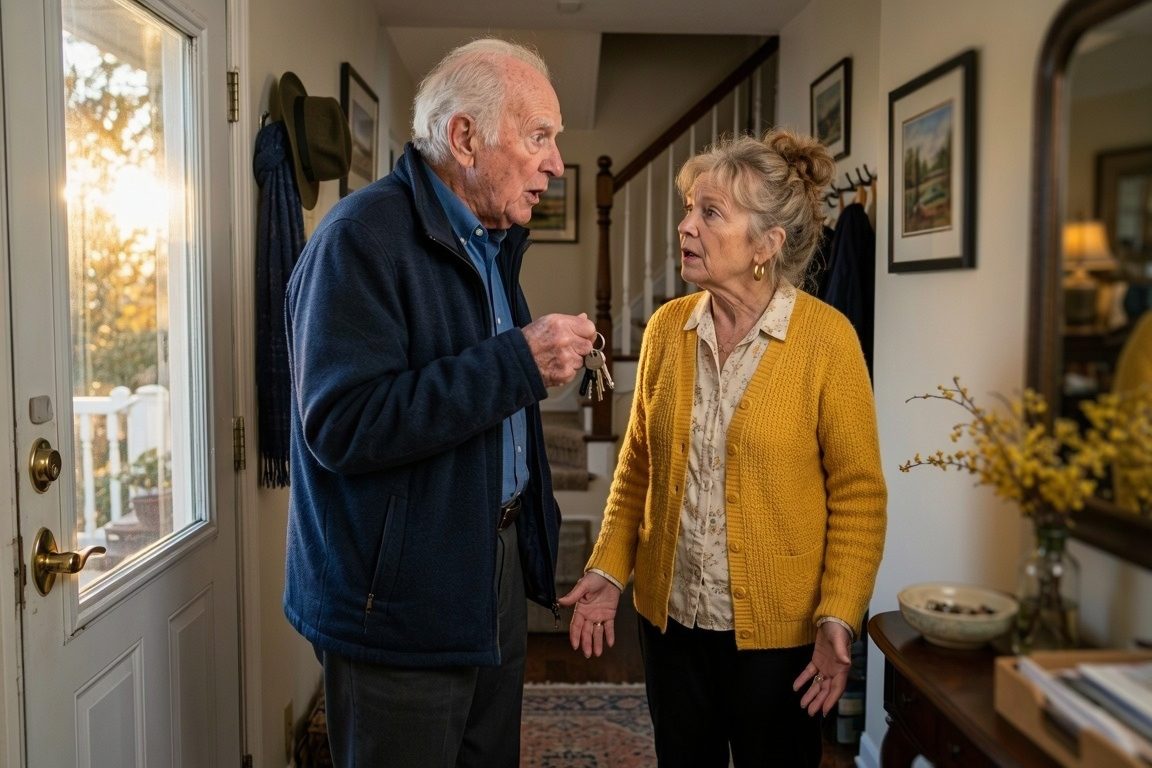
- Do not try to argue or reason with your loved one when they are in Amber. Their brain cannot process logic in that state. Arguing only escalates their agitation and pulls you into your own stress.Instead, validate their feeling and redirect to a calming activity.
- Do not suppress your own emotions or pretend you are not stressed. Denial is a common coping strategy, but it leads to burnout. Acknowledge your feelings to yourself: 'I am feeling frustrated right now. That is okay.' Then use a coping statement to move forward.
- Do not take their behavior personally. When someone with dementia is in Amber, their words and actions are symptoms of their brain state, not a reflection of their feelings for you. Remind yourself: 'This is the disease, not the person.' This helps you stay calm and compassionate.
- Do not try to 'fix' everything in the moment. Sometimes the best thing you can do is simply be present and calm. Trying to solve the problem can increase pressure on both of you. Focus on de-escalation first; solutions can come later when everyone is calm.
- Do not isolate yourself. Caregivers often feel they have to do it all alone. But emotional isolation accelerates burnout. Reach out to a support group, a friend, or a professional. Your nervous system needs connection to regulate.
- Do not skip your own medical appointments or ignore your own health. Caregivers are at higher risk for depression, anxiety, and physical health problems. Missing your own check-ups or ignoring symptoms is a red flag. Your health is the foundation of your ability to care.
Key points
- Your own nervous system can automatically mirror the Amber state of your loved one. Recognizing this is the first step to staying calm.
- Use a physical pause (step back, take a breath) to interrupt the stress cycle before it escalates.
- Develop coping statements you can say silently to reframe the situation and reduce your emotional reaction.
- Build a support network of people you can reach out to in moments of overwhelm. Connection is a powerful stress regulator.
- Use respite care proactively, not just when you are already burned out. A rested caregiver is a better caregiver.
- After a difficult interaction, do a quick self-debrief to learn what worked and what you can try next time.
Videos
 Quick Tips: Managing Caregiver StressThis video offers quick, actionable tips for managing stress in the moment, which is exactly what you need when you feel yourself slipping into Amber.
 How To Manage Caregiver Stress Effectively? - Dementia Help HubThis video explains the importance of understanding dementia symptoms and developing empathy, which directly helps you stay calm when your loved one is in Amber.
 Alzheimer's LA Caregiver Tips - EP. 1 'Caregiver Stress'This video addresses the anxiety of not knowing how the disease will progress and offers practical advice for staying organized and reducing stress.
 Manage dementia caregiver stress: 4 tips to cope with difficult dementia behaviorsThis video provides specific strategies for handling difficult behaviors, which are common triggers for caregiver stress and Amber states.
2 more videos
 How To Prevent Dementia Caregiver Burnout? - Dementia Help HubThis video emphasizes the importance of regular breaks and a healthy lifestyle, which are foundational for preventing the chronic stress that leads to burnout.
 #6.4 A Team Approach and Caring for Yourself: Long Distance Caregiving (4 of 5)This video discusses building a care team and asking for help, which is crucial for reducing the burden on any single caregiver and preventing isolation.
Background
Why Your Brain Wants to Join the Amber State
When someone you care for is in an Amber state, their brain is perceiving a threat and reacting with agitation, confusion, or withdrawal. Your brain, designed for connection and safety, automatically picks up on this. It senses that something is wrong, and your own threat-detection system can kick in. This is called co-regulation in reverse: instead of calming each other, you can both escalate. The person in Amber state is not trying to upset you; their brain is stuck in a survival mode. Your job is not to match their energy but to be the calm, predictable presence that can help them (and you) settle.
The Danger of Mirroring: From Helper to Reactor
If you don't actively manage your own stress, you risk slipping into your own Amber state. This might look like snapping at your loved one, feeling your heart race, tensing your shoulders, or wanting to argue or fix things. When you are in this state, you lose access to your calm, problem-solving brain. You might say things you regret, or you might withdraw and feel numb. Research shows that caregivers who do not manage their stress are at higher risk for depression, anxiety, and even physical health problems. The key is to recognize the early warning signs in yourself before you are fully pulled in.
The Power of the Pause: Your Reset Button
The most powerful tool you have is the ability to pause. When you notice your own stress rising, even for a few seconds, you can interrupt the automatic reaction. This is not about ignoring your feelings; it is about choosing a different response. Think of it as a mental 'reset button.' You can use a simple coping statement like, 'This is not about me. They are not in control right now. I can stay calm.' This small shift in your internal dialogue changes how you feel and behave, which in turn changes the entire dynamic of the interaction.
Practical tools
6
The 'C' in CALM: Coping Statements
Develop a short list of coping statements you can say silently to yourself when you feel your stress rising. Examples: 'I can handle this one moment at a time.' 'This is not an emergency.' 'I am safe. They are safe.' 'I am doing my best.' Write them on a card and keep it in your pocket or on your phone. Practice saying them when you are calm so they are ready when you need them.
The 'Pause and Name' Technique
When you feel your own stress rising, pause and silently name what you are feeling and what is happening. For example: 'I am feeling my heart race. I am feeling frustrated. My loved one is in Amber state. I am going to take a breath.' This simple act of naming activates the prefrontal cortex and reduces the amygdala's grip.
The 'Rescue Script' Card
Create a small card (physical or digital) with 2-3 phrases you can say to exit a stressful moment gracefully. Examples: 'I need a moment to think. I will be right back.' 'Let me get us both a glass of water.' 'I am going to step into the other room for a minute.' Having a pre-planned script reduces the cognitive load in the moment and gives you permission to step away.
The 'Sensory Reset' Kit
Assemble a small kit of items that engage your senses and help you ground quickly. This could be
Keep it in a drawer in the caregiving area or in your bag. Use it for 60 seconds when you need a reset.
The 'After-Action' Journal
Keep a small notebook or digital note where you jot down 2-3 sentences after a difficult interaction. Ask: '
' This is not for self-criticism; it is for learning. Over time, you will see patterns and build your own personalized toolkit.
The 'Support Network' Contact List
Write down the names and phone numbers of 2-3 people you can call or text when you are feeling overwhelmed. Include a support group hotline (like the Alzheimer's Association 24/7 Helpline at 800-272-3900). Keep this list in your phone and on your refrigerator. When you feel isolated, reach out. Even a brief connection lowers stress.
Different situations
If your loved one has Lewy body dementia (LBD)
People with LBD can have extreme fluctuations in cognition and alertness, and they may have visual hallucinations. Their Amber state can be triggered by things that seem minor to you. Your self-regulation is even more critical because your calm presence can prevent a cascade of confusion and fear. Avoid any sudden movements or loud voices. Use the 'rescue script' more frequently, as their state can shift rapidly.
If you are a spouse caregiver
Spouse caregivers are at a six times higher risk of developing dementia themselves, according to research. This makes self-regulation not just a comfort but a health priority. You may feel a deeper sense of loss and grief, which can amplify your stress. Be extra vigilant about your own early warning signs. Use respite care and support groups specifically for spousal caregivers. Your health is directly linked to your ability to care for your partner.
If you are an adult child caregiver with your own family and job
You are in the 'sandwich generation,' juggling multiple roles. Your stress can build silently because you have no time to pause. Use the 'Sensory Reset Kit' in your car or at your desk. Schedule micro-breaks (even 2 minutes) between tasks. Accept help from siblings, friends, or paid services. You cannot pour from an empty cup. Your own family and job also need a healthy you.
If your loved one is in a memory care facility
You may feel less control over their daily care, which can increase your anxiety. Your Amber state can be triggered by phone calls from the facility or by visits where your loved one does not recognize you. Use the 'Pause and Name' technique before you enter the facility. Have a 'rescue script' ready for when you feel overwhelmed during a visit, like: 'I am going to get a cup of coffee and will be back in a few minutes.' Connect with the facility's social worker or support group for families.
If you are a professional caregiver
You face the unique challenge of caring for multiple people in Amber state, often without the emotional bond that family caregivers have. Your risk of burnout is high. Use the 'After-Action Journal' after each shift. Build a team approach with your colleagues; debrief together after difficult moments. Use the 'Support Network' list to connect with other professionals. Your employer should provide access to respite and mental health resources; advocate for them if they do not.
For the doctor
5
- If you find yourself using alcohol, prescription medications, or other substances to cope with stress, discuss this with your doctor. Misusing substances can worsen your health and your ability to care.
- If you experience symptoms of depression, such as persistent sadness, loss of interest in activities, changes in appetite or sleep, or thoughts of harming yourself, seek professional help immediately.
- If you have a chronic health condition (like heart disease, diabetes, or high blood pressure) and you notice your symptoms worsening, talk to your clinician. Caregiver stress can exacerbate these conditions.
- If you are having trouble sleeping (difficulty falling asleep or staying asleep) for more than a few weeks, discuss this with your doctor. Chronic sleep problems are a common sign of caregiver stress and can harm your health.
- If you feel overwhelmed and unable to use the strategies in this article, or if your stress is causing significant distress in your daily life, consider speaking with a therapist or counselor who specializes in caregiver issues.