Step by step
What not to do
- Do not rush through tasks without explaining; slow down, use a calm voice, and explain each step before you do it.
- Do not try to correct or 'reality orient' when they are confused.Instead, validate the feeling: 'You miss home, don't you? Tell me about it,' then gently redirect to a comforting activity.
- Do not assume what worked yesterday will work today. If they refuse a shower, try a sponge bath or a warm washcloth on the face instead, and try again another time.
- Do not neglect your own needs in the name of being a perfect caregiver. Schedule regular breaks, accept offers of help, and let go of guilt.
- Do not make every decision for your loved one. Offer small choices, 'the blue sweater or the green one?' 'Tea or juice?'
- Do not talk about your loved one as if they are not in the room. Include them in conversations and address them directly.
Key points
- Shift your focus from completing tasks to connecting with the person. This reduces resistance and improves your relationship.
- Use the 'Three Shifts' checklist: from doing to delegating, from perfect to present, and from behaviors to situations.
- Create a Life Story Sheet and share it with every caregiver to personalize care.
- When your loved one is upset, pause, assess the environment, and redirect to a calming activity before trying to reason.
- Delegate tasks to others so you have energy to be emotionally present.
- Person-centered care looks different at each stage and for each type of dementia, adapt your approach.
Videos
 Dementia Care Organizations: Why is Culture Change So Difficult?This video explains the challenges of shifting from a task-focused to a person-centered culture in care settings, which mirrors the struggle many family caregivers face at home.
 LinkedIn Live: December 20, 2022This live discussion offers practical tips on how to implement person-centered care in real-world situations, including how to involve staff and families.
 136. 5 Tips How To Decrease Your Overwhelm In Dementia CaregivingThis video directly addresses caregiver overwhelm and offers concrete strategies to reduce it, which is essential for making the shift to person-centered care.
 Dementia Therapies and InterventionsThis video reviews various therapeutic approaches that align with person-centered care, including music therapy, validation therapy, and environmental modifications.
2 more videos
 Multimodal Comprehensive Care Communication Skills in Dementia CareThis video teaches specific communication techniques (like using visual cues and simple language) that are central to person-centered care.
 3 Shifts to Stop Caregiver Burnout Before It StartsThis video outlines three mindset shifts that directly support the transition from task-oriented to person-centered care, including letting go of perfectionism.
Practical tools
4
The 'Three Shifts' Checklist
Keep visible:
Review each morning.
The Life Story Sheet
A one-page document with name, recent photo, favorite music, foods, hobbies, important life events, and any fears or triggers. Keep a copy visible at home and share it with any new caregiver or facility staff.
The Redirection Activity Menu
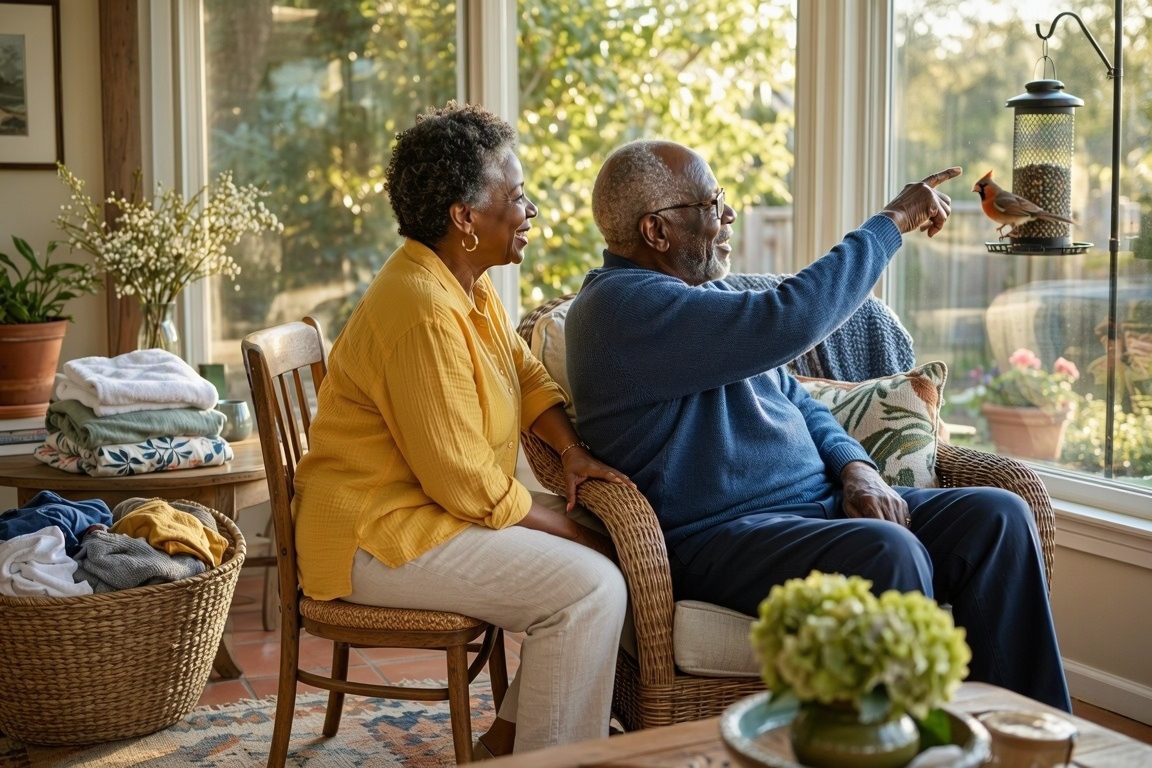
A handwritten list of 5–10 calming activities they usually enjoy (photo album, favorite song, folding towels, watching birds, sorting safe objects). Offer one when they become upset instead of reasoning with them.
The Care Transition Kit
A small bag packed for any move or hospital stay:
Hand to the new care team along with the Life Story Sheet.
Different situations
Early stage (mild cognitive impairment or early Alzheimer's)
In early stages, your loved one can still participate in decisions. Involve them in creating their own care plan. Ask them directly: 'What matters most to you right now? What would you like to keep doing?' Use their answers to shape your daily routine. Focus on preserving their independence and dignity, not on taking over tasks.
Middle stage (moderate dementia)
At this stage, communication is harder but still possible. Use more visual cues and simple, one-step instructions. Expect resistance to personal care, this is not personal, it is a response to feeling vulnerable. Use the 'Pause and Assess' script and offer choices (e.g., 'Do you want to brush your teeth before or after breakfast?'). Consistency of routine and caregiver is key.
Late stage (severe dementia, bedbound or very limited communication)
Person-centered care here focuses on comfort and sensory connection. Speak in a calm, warm tone even if they do not respond. Use touch (holding hands, gentle massage), music they loved, and familiar scents. Pay attention to non-verbal cues like facial expressions or body tension. Your goal is to make them feel safe and loved, not to complete tasks.
Lewy body dementia (with fluctuations, hallucinations, or Parkinsonism)
Be extra cautious with visual cues and environment, hallucinations can be frightening. Do not argue about what they see; instead, validate their feeling ('That must be scary. I am here with you.'). Use calm, slow movements. Avoid sudden changes in routine, as people with Lewy body dementia often have extreme sensitivity to change. Discuss any medication changes with the clinician, as some drugs can worsen symptoms.
Spouse vs. adult child caregiver
Spouses may struggle with role reversal and grief over losing their partner. It helps to explicitly acknowledge this loss and find small ways to maintain the marital bond (e.g., holding hands, reminiscing about your wedding). Adult children may feel guilt about not doing enough or about placing a parent in a facility. It helps to remind yourself that you are doing your best and that delegating is a sign of strength, not failure. Both roles benefit from joining a support group.
In a facility (nursing home or memory care)
You can still practice person-centered care by being an advocate. Ask the facility to assign consistent staff to your loved one. Share the Life Story Sheet with the care team. Visit at different times of day to observe care. If you see task-focused care (e.g., staff rushing through baths), gently remind them of your loved one's preferences. You can also request a care plan meeting to discuss person-centered approaches.
Low-income or Medicaid-funded settings
Resources may be limited, but person-centered care does not require expensive products. Focus on what you can control: your own attitude, the environment (reducing noise, adding familiar objects), and building relationships with staff. Use free or low-cost tools like a photo album, a playlist of their favorite songs, or a simple routine. You can also seek support from local Alzheimer's Association chapters or faith-based groups.
For the doctor
4
- If your loved one is on medications for behavior (antipsychotics, antidepressants, or anxiolytics), ask the clinician: 'Can we review whether this medication is still needed, and are there non-drug approaches we can try first?'
- If your loved one has a history of falls, ask: 'What is the safest way to help them with mobility while still allowing them to move as independently as possible?' Person-centered care may increase fall risk in some settings, so balance safety with dignity.
- If your loved one has pain that may be causing agitation, ask: 'Could we try a non-pharmacological pain relief approach (like warm compresses or gentle massage) before increasing pain medication?'
- If you are considering a care transition (e.g., moving to a facility), ask: 'What resources are available to help us make this transition as smooth and person-centered as possible?'