Step by step
What not to do
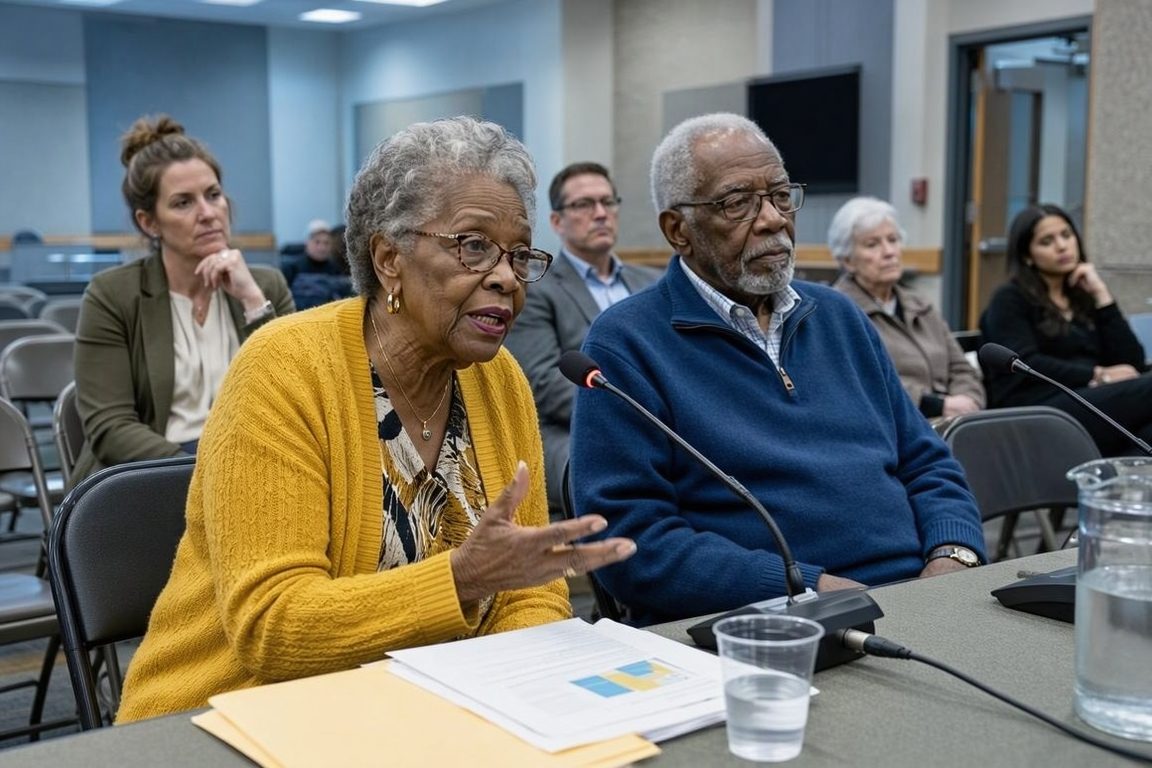
- Do not assume your story is unimportant or wait to become a policy expert.
- Do not let frustration turn into anger; critique systems and policies, not individual workers.
- Do not share your loved one's story publicly without considering their dignity and consent.
- Do not do this work alone or push through burnout.
- Do not give up after a setback or non-response.
Key points
- Your lived experience as a caregiver or person with dementia is a form of expertise that policymakers desperately need.
- Start small: one letter, one public comment, one conversation can plant a seed for change.
- Involve the person with dementia in advocacy as long as they are able, their voice matters.
- Join a support group with an advocacy focus to gain confidence and allies.
- Persistence is key; policy change is slow, but every effort builds momentum.
- You are not alone, thousands of caregivers are speaking up, and together you can shape a better system.
Videos
 The Baffled Brain: Demystifying Dementia Episode 22This video helps you understand how dementia affects the brain, which can strengthen your advocacy by giving you clear, science-backed explanations for why certain policies (like flexible visiting hours) are so important.
 Don't forget this when making important dementia caregiving decisionsThis video reminds you to consider your own needs when making care decisions, which is also crucial when advocating for policies that support caregiver well-being, not just patient care.
 The Problem of Alzheimer's: Dr. KarlawishDr. Karlawish discusses the systemic challenges in Alzheimer's care, giving you a broader context for your advocacy and helping you understand the policy landscape you are trying to change.
 How to communicate with a dementia patientEffective communication strategies from this video can be used when you are advocating alongside your loved one, ensuring they feel included and respected in policy discussions.
2 more videos
 Should You Let Someone With Dementia Help You?This video explores the balance between involvement and safety, which is directly relevant to policies about caregiver roles and the person with dementia's participation in daily life and decision-making.
 How Does Dementia Assistance Help Relieve Caregiver Stress?Understanding the types of assistance that relieve stress can help you advocate for specific services like respite care, adult day programs, and home modifications that make a real difference.
Practical tools
2
Personal Story Script
Write a three-sentence story: (1) your role and the condition, (2) a specific problem caused by a policy, (3) the impact on you. Reuse for letters, comments, and interviews.
Policy Change Request Template
Structure for letters/emails: (1) introduce yourself as a caregiver, (2) share one specific story (2-3 sentences), (3) state the specific change you want (one sentence), (4) close with thanks and full contact info. Keep to one page; personalize.
Different situations
If you are a spouse caregiver vs. an adult child
Spouse caregivers often have a deeper historical knowledge of the person with dementia, including their lifelong preferences and personality. When advocating, emphasize the importance of policies that honor the couple's relationship and allow for flexible visiting hours. Adult children may be more focused on practical logistics like coordinating care with siblings or managing finances. They can advocate for policies that support family communication and shared decision-making, such as requiring care facilities to include all family members in care planning meetings.
If the person with dementia is in a residential care facility
Your focus shifts to policies within the facility itself. Join the family council to advocate for better communication between staff and families, more opportunities for family involvement in daily care, and policies that recognize you as a care partner, not just a visitor. You can also push for policies that ensure the person with dementia is included in decisions about their own life, even if they need support to communicate. For example, advocate for the use of visual aids or simple language during care planning meetings.
If you are caring for someone with early-stage dementia
The person with dementia can often speak for themselves. Encourage them to join you in advocacy efforts. Help them prepare a short statement about what they want from policies, such as more opportunities to stay engaged in their community or better access to support groups. Your role is to support their voice, not replace it. Also, focus on policies that help people stay at home longer, like funding for home modifications or adult day programs.
If you are caring for someone with Lewy body dementia or frontotemporal dementia
These types of dementia often involve more pronounced behavioral changes, such as hallucinations, agitation, or loss of empathy. When advocating, highlight the need for specialized training for healthcare staff on how to respond to these behaviors without medication. Policies should also support caregiver respite specifically for the high stress of managing these challenging symptoms. Emphasize that one-size-fits-all dementia training is not enough.
If you are a caregiver in a rural area
Rural caregivers often face additional barriers like limited access to specialists, long travel distances, and fewer support groups. Advocate for policies that expand telehealth services, provide travel subsidies for medical appointments, and fund local dementia-friendly community programs. Your voice is crucial to ensure that rural needs are not overlooked in national or state-level policies.
For the doctor
3
- If you are considering joining a research advisory group that involves discussing your loved one's medical history, ask their doctor if there are any privacy or ethical considerations you should be aware of.
- If you plan to speak publicly about your caregiving experience, discuss with your loved one's healthcare provider whether any specific medical details should be kept confidential to protect their dignity.
- If you are advocating for changes to medication policies or end-of-life care, always consult with the person's clinician to understand the medical implications and to ensure your advocacy aligns with their best interests.