Step by step
What not to do
- Don't treat them as a generic patient or focus only on symptoms; see the person behind the diagnosis and ask what they need now.
- Don't reach for generic behavior fixes like 'just distract them' without investigating the cause.
- Don't argue, correct, or try to orient them to your reality. If they believe a deceased loved one is alive, validate the feeling and gently redirect.
- Don't cling to strategies that aren't working: adapt steps, timing, or methods (e.g., switch to sponge bath if full shower triggers distress).
- Don't sacrifice your own well-being: an exhausted caregiver cannot provide good care.
Key points
- Every person with dementia is unique; there is no one-size-fits-all approach. Treat your loved one as an individual, not a diagnosis.
- Know your person as they were, but see them as they are now. Let go of what you can’t have and celebrate what’s possible.
- Before any interaction, ask yourself how you will show empathy, partnership, and curiosity about their preferences in that moment.
- Behaviors have meaning. Instead of reacting, try to understand the 'why' by considering their history, current state, and environment.
- What works today may not work tomorrow. Be flexible, keep a log, and be willing to try again.
- Take care of yourself. You can’t provide good care if you are depleted. Set boundaries, ask for help, and prioritize your own health.
Videos
 Dementia Careblazer Interview: How the 5 senses can impact behaviorThis video helps you understand how sensory changes affect behavior, which is a key part of personalizing your approach based on your loved one’s unique sensory needs.
 How To Get Someone With Dementia To Accept HelpThis video provides practical phrases and strategies for offering help in a way that respects the person’s autonomy, a core skill for individualized care.
 Dementia Care Partner Talk Show - Episode 24: How is the PAC Method DifferentThis episode explains the Positive Approach to Care, which is built on seeing the person first and adapting your approach to their changing abilities.
 Ep. 121: Holidays, Celebrations, and People Living with DementiaThis video shows how to personalize celebrations and family gatherings to reduce stress and increase joy, using your knowledge of the person’s preferences.

Background
Why a Cookie-Cutter Approach Fails
When you search online for help with dementia behaviors, you’ll find all kinds of generic advice, but that can be frustrating because dementia is not a one-size-fits-all type of illness. The uniqueness of each individual should go into what kind of interventions or solutions you develop to manage behaviors. As one expert puts it, “When you’ve seen one person with dementia, you’ve only seen one person”, there is no scripted route for how it might affect someone. A cookie-cutter approach often doesn’t work because we have to keep the focus on the person, not on the disease.
The Core Principle: Know Your Person as They Were, See Them as They Are
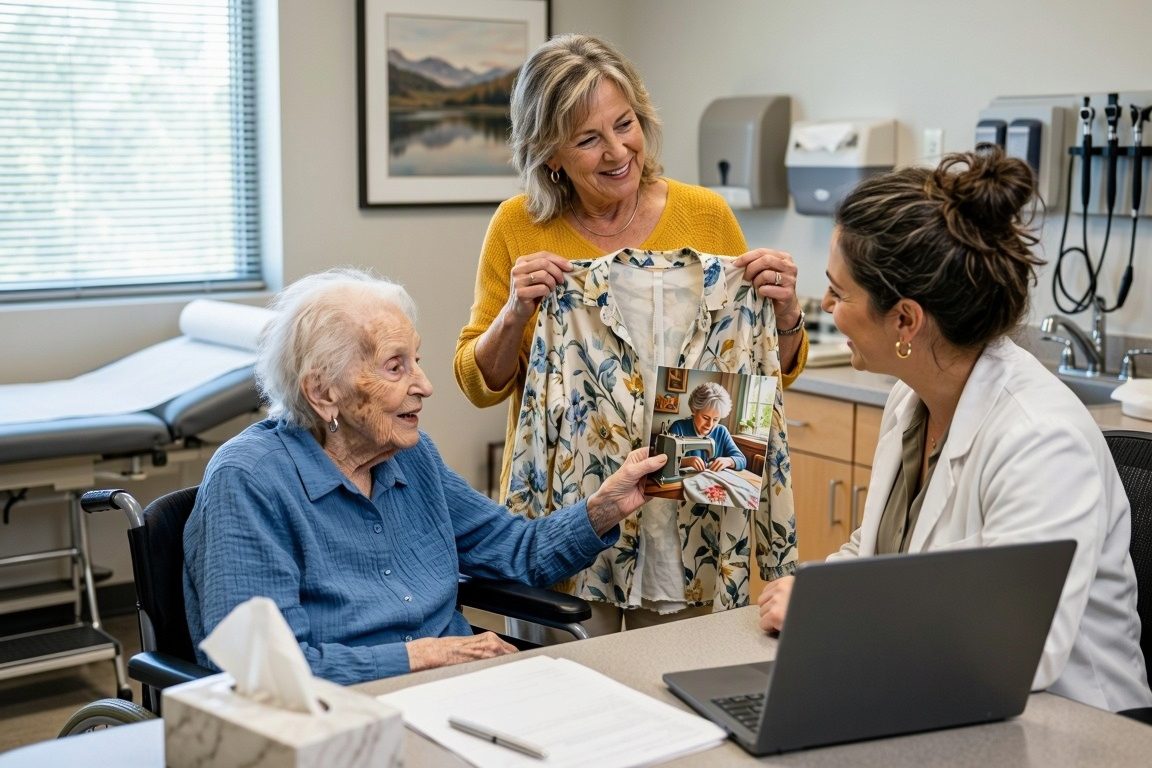
The foundation of individualized care is captured in a powerful idea: “Know your person as they were, but now see your person as they are.” This means you honor their history, their lifelong preferences, and their personality, while also accepting the changes dementia brings. You let go of what you can no longer have and celebrate what is still possible. This approach is sometimes called personhood and relationship-based care, and it involves asking yourself three key questions before any interaction: How will I demonstrate empathy and respect for this person’s uniqueness? How will I show that I value a partnership with them? And how will I learn about their preferences, needs, routines, and sources of joy?
Dementia Changes Over Time: So Must Your Approach
Dementia is a progressive condition, which means that what worked for your loved one last month may not work today. An effective care program has to be tailored and flexible because dementia changes over time. Things that did not work in the past may actually start working now, and vice versa. This is why it’s so important to continually reassess and adapt. Good dementia care involves assessing a person’s abilities, understanding their life story, and using that information to plan care that meets them where they are right now. The goal is to create an individualized care plan that is driven by the person’s needs and your family’s preferences, and to revisit it regularly.
Practical tools
5
Life Story & Preferences Sheet
One-page document with history (job, music, foods, hobbies, important people, joys) plus current preferences (e.g., likes soft cloth, dislikes loud noises). Share with all caregivers; update every few months.
Behavior Detective Log
Notebook or spreadsheet recording date, situation, what you tried, and response. Over time reveals triggers and effective strategies.
Daily Rhythm Card
Written or picture-based schedule anchoring loved rituals (e.g., morning coffee, afternoon music, evening stroll). Consistent order reduces anxiety.
Care Transition Packet
Summary for new caregivers or facilities:
Include photo and preferred name.
Caregiver Self-Care Plan
Weekly written plan with non-negotiable daily hour, regular respite source, support contacts, and restorative activities.
Different situations
For a spouse vs. an adult child caregiver
A spouse may need to grieve the loss of their partner and may find it harder to see the person as they are now, without the history of the relationship. Use the 'Know Your Person' sheet to focus on who they are today. An adult child may need to shift from a parent-child dynamic to a caregiving role, which can feel unnatural. Use 'we' language to create a partnership, and avoid infantilizing language (e.g., don't call them 'baby' if they never liked that).
For different dementia types (e.g., Alzheimer’s vs. Lewy body dementia)
In Lewy body dementia, visual hallucinations and fluctuations in attention are common. Personalize your approach by not arguing about what they see, instead, validate their experience ('I see you're looking at something. Can you tell me about it?') and redirect to a safe activity. In frontotemporal dementia, personality changes and loss of empathy are early signs. Focus on creating a calm, structured environment with clear routines, and avoid reasoning or emotional appeals, which may not work.
For early-stage vs. late-stage dementia
In early stages, your loved one can still participate in care planning. Ask them directly about their preferences for daily routines, activities, and future care. Use advance care planning tools. In late stages, when verbal communication is limited, rely on observation: what makes them smile? What makes them tense? Use sensory tools like favorite music, a familiar scent (e.g., lavender), or a soft blanket. Your 'Behavior Log' becomes even more critical.
For a person living in a facility vs. at home
In a facility, you must advocate for individualized care by sharing the 'Know Your Person' sheet with all staff, not just the nurse. Ask for a care plan meeting and insist that your loved one’s preferences are written into their daily schedule. Visit at different times to observe care. At home, you have more control but also more responsibility. Use the 'Task Breakdown Checklist' and 'Routine Anchor' to structure the day, and schedule respite care to prevent burnout.
For a person with Medicaid vs. private pay
Medicaid may limit options for home care hours or facility choice. Focus on training any paid caregivers (even if they are from a state program) by providing your 'Know Your Person' sheet and the 'Three-Question Pause' tool. Advocate for a consistent caregiver who can build a relationship. If private pay, you may have more flexibility to hire a private aide who matches your loved one’s personality. In both cases, use the 'Behavior Log' to communicate needs effectively to the care team.
For the doctor
4
- If your loved one’s behaviors become dangerous (e.g., aggression, wandering, or refusal to eat/drink), discuss with their doctor whether a medication review or a referral to a geriatric psychiatrist is appropriate. Do not start or stop any medications without medical guidance.
- If you are considering using a medication to manage behaviors (like an antipsychotic), ask your clinician about the risks and benefits, especially for people with Lewy body dementia, who can have severe reactions to these drugs.
- If your loved one has a sudden change in behavior or ability (e.g., new confusion, falls, or hallucinations), contact their doctor immediately to rule out a urinary tract infection, dehydration, or other medical issue that can mimic dementia progression.
- If you are struggling with your own mental health (e.g., depression, anxiety, or overwhelming stress), discuss this with your own healthcare provider. Caregiver burnout is real and treatable.