Step by step
What not to do
- Don't force interaction if the elder is in pain or having a bad day; reschedule.
- Don't leave the child and elder unsupervised early on, as a child can unintentionally overwhelm or the elder may say something confusing.
- Don't expect the child to understand dementia without preparation, they may feel hurt if the elder doesn't recognize them.
- Don't transplant one culture's model directly into another; adapt activities to fit your family's roles and traditions.
- Don't pile more onto the sandwich-generation caregiver; intergenerational time should feel like shared relief, not another scheduled task.
- Don't give up after one rough attempt; finding the right activity or time of day may take several visits.
Key points
- Intergenerational care reduces fear and stigma for children and provides meaningful connection for elders with dementia.
- Start small with a simple, sensory-based activity in a quiet, familiar environment.
- Prepare the child with age-appropriate explanations about dementia before the visit.
- Adapt activities to the elder's stage of dementia and cultural background for best results.
- Document positive moments to share with the care team and family.
- Be patient; it may take several tries to find what works, and even a brief moment of connection is a success.
Videos
 Carol Steinberg Author of 'Come Grandpa Meow, Let's Fly'This video features the author discussing how her book uses intergenerational activities to help children and elders connect after a dementia diagnosis. It provides a model for families to follow.
 Ask Teepa Anything! Live brought to you by Tover, The Power of Purposeful Play!Teepa Snow discusses the use of interactive play (like the Tover table) in intergenerational settings, offering practical tips for engaging elders with dementia alongside children.
 Dr. Dale V. Atkins Author of The Turquoise ButterflyDr. Atkins explores the emotional benefits of intergenerational relationships, providing insights into how these bonds can reduce isolation and bring joy to both generations.
Background
What Is Intergenerational Care and Why Does It Matter?
Intergenerational care is a model where older adults, including those living with dementia or Alzheimer's, interact regularly with children or young people in structured, supervised activities. This is not just a nice idea; research shows that children often have a poor perception of Alzheimer's disease and may feel fear or confusion when a grandparent no longer remembers their name or acts differently. Intergenerational activities help erase that fear by creating a safe, non-scary environment where children can build new, positive connections with elders. For the older adult, these interactions can spark joy, reduce feelings of isolation, and even improve mood and engagement. The model is built on the idea that relationships based on love, presence, and patience can flourish across generations, as described in the book 'Come Grandpa Meow, Let's Fly' by Carol Steinberg, which includes a section on intergenerational activities to help families connect in new ways.
Global Examples: How Different Cultures Approach Intergenerational Care
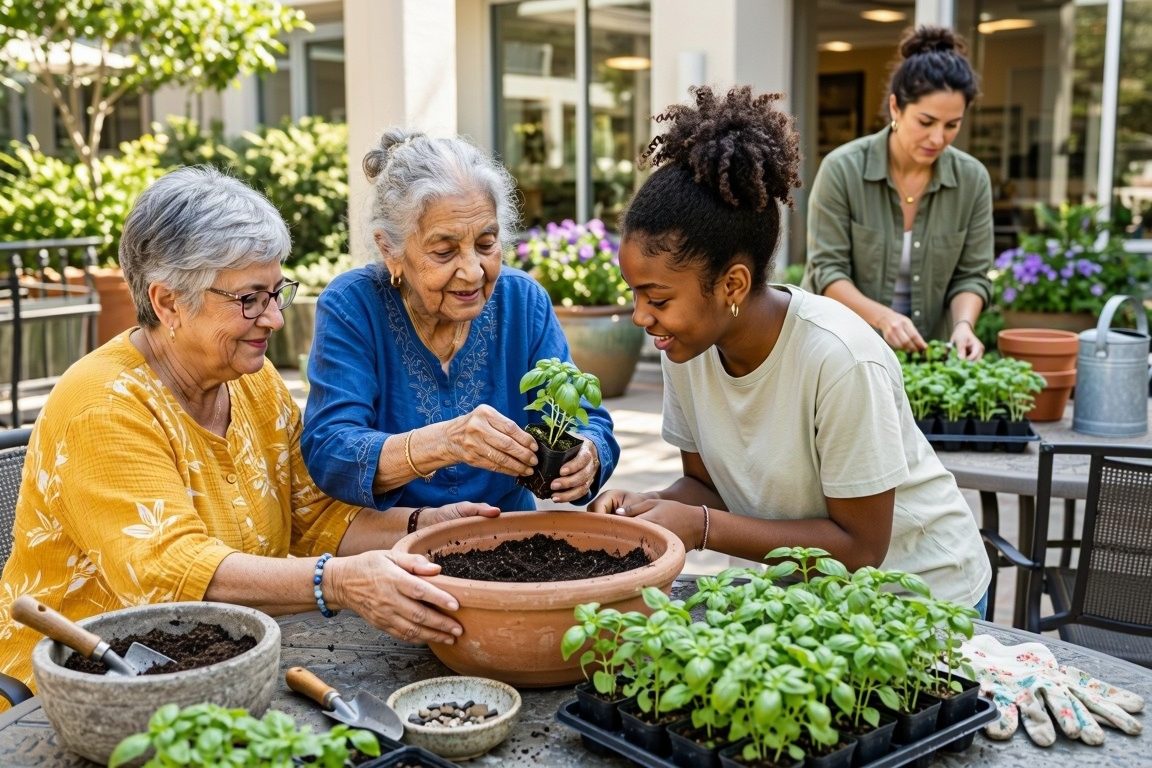
Around the world, intergenerational care takes different forms shaped by culture and history. In the Netherlands, there are small but inspiring examples of elders living in residential care settings that also include childcare centers or regular visits from school groups. These programs are not widespread across the whole country, but they show what is possible. In Japan, the traditional model of respecting elders and having them live with family has shifted in recent decades due to technology and the push for children to succeed in competitive schools and jobs. As a result, elders are not always seen in the same way they were 25 years ago, and intergenerational contact has decreased. Similarly, in China, rapid modernization has changed family structures, though some communities are reviving intergenerational programs through community centers or faith-based groups. In Hawaii, families often live in multi-generational homes, where grandparents help raise grandchildren, and caregiving flows both ways, this is a natural form of intergenerational care that can be adapted even when dementia is present. In Wales, some care homes have partnered with local schools to bring children in for music, storytelling, or gardening, creating a warm, home-like atmosphere. These examples show that intergenerational care is not one-size-fits-all; it can be tailored to your culture, setting, and the needs of the people involved.
How Intergenerational Activities Help Children, Care Partners, and Elders
For children, intergenerational activities are a way to replace confusion and fear with understanding and empathy. When a child sees that their grandparent still enjoys a simple game or a song, they learn that the person is still there, even if memory is fading. For the care partner, often an adult child or spouse, these activities can provide a much-needed break and a chance to see their loved one in a new light, smiling or laughing with a child. For the person living with dementia, the interaction can tap into long-term memories and emotions, such as the nurturing instinct or the joy of teaching. Studies show that 88% of people with Alzheimer's disease say they feel discrimination, so intergenerational programs can help combat that stigma by showing that elders are still valued members of the community. The key is to focus on what the elder needs from the interaction, not what you think they should do. As one expert put it, 'What do you notice about the person that they need from you? Not that you must give to them, but what they need. And then can you muster up what they need and present yourself as a person who can really offer care in a way that feels authentic and trustworthy.'
Practical tools
3
'Come Grandpa Meow, Let's Fly' book
By Carol Steinberg; child-friendly language explains dementia and includes an intergenerational activity section to use after reading.
Sensory activity kit
Small basket with a soft fabric square, lavender sachet, smooth stone, small bell, and a simple photo album for child and elder to explore together.
Family cultural kit
Items tied to your heritage, a tea set, origami paper, lei-making materials, or simple instruments, that anchor the visit in traditions the elder recognizes.
Different situations
Lewy body dementia or Parkinson's dementia
These conditions often involve visual hallucinations, movement difficulties, and sensitivity to noise. Choose activities that are very quiet and slow, like looking at a photo album together or doing a simple hand massage with lotion. Avoid activities that require quick movements or bright, flashing lights. The child should be calm and gentle. If the elder has a hallucination, do not argue; instead, redirect the child's attention to a different activity.
Late-stage dementia (bedridden or minimal verbal response)
Focus on sensory activities that do not require the elder to respond. The child can sit beside the bed and hold the elder's hand, sing a soft lullaby, or gently brush the elder's hair. The goal is to provide comfort and presence. The child should be prepared that the elder may not open their eyes or speak, but that their presence is still felt. Use a calm, soothing voice.
Spouse caregiver vs. adult child caregiver
A spouse may feel protective or hesitant about involving children, especially if the elder is embarrassed by their condition. Start by having the spouse observe a short interaction from a distance. An adult child may be more open but may also feel guilty about 'burdening' their own children. Reassure them that intergenerational activities can strengthen family bonds and give the child a positive experience of caregiving.
In a facility (nursing home or memory care unit)
Work with the activities director to schedule regular intergenerational visits. Many facilities already have partnerships with local schools or daycare centers. If not, you can volunteer to bring a child (your own or a relative) for a weekly visit. Ensure the facility has a private or semi-private space for the visit. Follow the facility's infection control and safety protocols. In Wales, some care homes have integrated childcare centers on-site, creating a natural flow of interaction throughout the day.
Cross-cultural considerations (e.g., Chinese, Japanese, Hawaiian, Latinx)
In cultures with strong filial piety (like China and Japan), frame intergenerational care as a way for the child to fulfill a duty of respect and love. In Hawaiian culture, where 'ohana (family) is central, involve multiple generations in a shared meal or storytelling circle. In Latinx families, where caregiving is often gendered, involve both male and female children in activities to challenge stereotypes and share the joy of connection. Always ask the family what feels respectful and natural to them.
For the doctor
4
- Ask the elder's doctor if there are any medical reasons to avoid certain activities (e.g., if the elder has a contagious illness, is prone to falls, or has severe agitation that could be triggered by noise).
- If the elder is on medications that cause drowsiness or dizziness, discuss the best time of day for intergenerational activities to ensure they are alert and comfortable.
- For elders with advanced dementia who have difficulty swallowing, avoid activities involving food or drink unless the clinician approves and you have a plan for safe swallowing.
- If the elder has a history of aggressive behavior, ask the clinician or a dementia care specialist for strategies to de-escalate if the elder becomes upset during a visit.