Step by step
What not to do
- Do not assume mobility changes are just part of old age or dementia without assessment.
- Do not ignore new fear of stairs, shuffling gait, or wall-grabbing as minor quirks.
- Do not rush the person or insist they move faster when they show hesitation.
Key points
- Start assessing mobility early, before a fall happens. Subtle changes like shuffling, hesitation, or using furniture for support are red flags.
- Use a weekly observation checklist to track changes and share with healthcare providers.
- Remove fall hazards at home: throw rugs, poor lighting, clutter, and slippery floors.
- Encourage daily physical activity, even 10-minute walks, to maintain strength and balance.
- Have a physical therapist fit and train your loved one on any mobility aid (cane, walker).
- Review all medications with a doctor to reduce fall risk, especially sedatives and blood pressure drugs.
Videos
 Dementia: Mobility and Movement ChangesTeepa Snow explains how to notice early mobility changes and what they mean for different dementia types.
 Providing Support When Mobility Rules Are Not Regarded | Teepa's ClipsLearn how to respond supportively when a person with dementia doesn't follow safety rules about mobility.
 Home Safety and Dementia: Module 1Practical home safety tips to prevent falls and support safe mobility.
 Alzheimer's and Wandering - Professional Caregiver WebinarUnderstand wandering risks and how to create a proactive plan before wandering becomes a crisis.
2 more videos
 The Lewy Body Dementia Association with Julia Wood Director of Professional & Community EducationSpecific mobility challenges in Lewy body dementia, including fluctuations and Parkinson's-like symptoms.
 Wading in Emotional QuicksandHow to handle the emotional impact of mobility loss, for both you and your loved one.
Background
Why Mobility Changes Happen in Dementia
Dementia doesn't just affect memory; it changes how the brain controls movement. The movement system is incredibly complex, and when the brain is changing, whether from dementia, delirium, depression, or anxiety, mobility often shifts first. You might notice someone walking differently, hesitating before stepping over a threshold, or using furniture for support. These aren't just 'getting older' signs; they're signals that the brain is struggling to coordinate balance, reflexes, and spatial awareness. As Teepa Snow explains, we can often identify people just by watching them move, so noticing when that movement starts to change is key to early intervention.
The Domino Effect of Lost Mobility
When mobility declines, a person's world shrinks. They stop going to church, visiting friends, or even walking to the mailbox. This loss of activity leads to more weakness, more fear, and a higher risk of falls. The Mayo Clinic experts note that instead of looking forward to the day, a person might dread getting out of bed or showering because it feels exhausting and scary. This cycle can accelerate decline, so catching mobility issues early isn't just about preventing falls, it's about preserving quality of life, independence, and social connection.
What to Watch For: The Early Signs
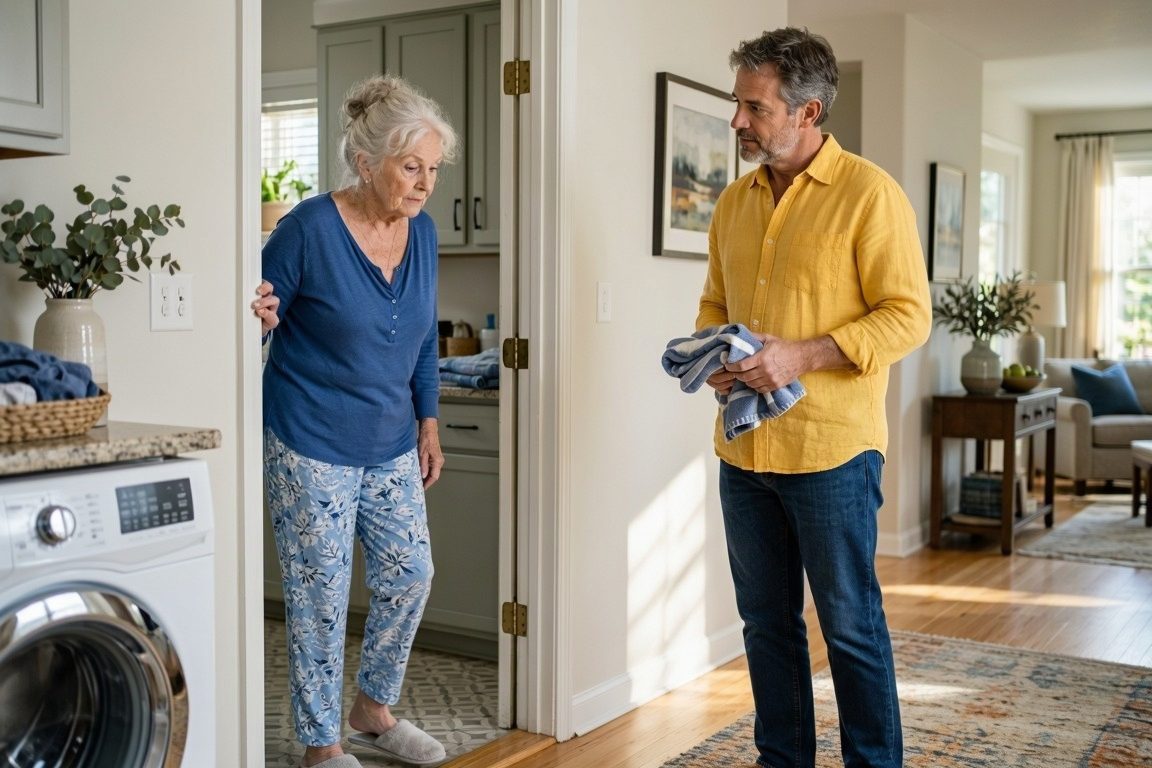
Early mobility changes can be subtle. Look for reduced range of motion, can they step up over a curb or raise their arms to dress? Watch for balance issues: do they sway when standing still or grab walls when turning? Poor reflexes are another clue, if they start to fall, do they catch themselves or just crumple? Also notice if they're using furniture or walls for support, or if they seem to 'forget' how to use a cane or walker correctly. These signs often appear before a fall happens, giving you a window to act.
Practical tools
3
Mobility Change Log
A simple notebook or digital note where you record date, time, situation, and specific observation (e.g., 'grabbed wall turning left in kitchen 10am').
Balance Check Timer
Use a timer or phone stopwatch to measure 30 seconds of stances, noting any sway, arm raises, or gripping needed for stability.
Step-Up Spotting Guide
A safe, stable raised platform (6-inch curb or stool) with a spotter behind the person; note if lifting foot clears height without risking fall.
Different situations
Lewy body dementia (LBD)
In LBD, mobility changes can fluctuate wildly from day to day, good days and bad days. Watch for Parkinson's-like symptoms: stiffness, shuffling, tremors, and frequent falls. Also be alert for sudden 'freezing' episodes where they can't move their feet. A physical therapist familiar with LBD is essential. Avoid antipsychotic medications, as they can worsen movement and cause severe reactions. Focus on non-drug strategies: music therapy, gentle exercise, and a calm environment.
Early-stage Alzheimer's
In early stages, the person may still be aware of changes and willing to cooperate. Use this window to establish good habits: daily walks, balance exercises, and home safety modifications. Involve them in decisions: 'What would help you feel safer on the stairs?' Introduce mobility aids early as a preventive tool, not a last resort. Also discuss driving cessation proactively, before a crash or getting lost occurs.
Late-stage dementia (any type)
In late stages, the person may be bedbound or need full assistance to stand. Focus on passive range-of-motion exercises to prevent contractures and pressure sores. Use a gait belt for transfers and always have two people for lifts. Consider a hospital bed with side rails (with proper padding to prevent entrapment). The goal shifts from maintaining independence to preventing pain, falls, and skin breakdown.
Spouse vs. adult child caregiver
Spouses often struggle with role reversal and may resist using mobility aids because it feels like giving up. Gently frame it as teamwork: 'We're in this together. Let's find what helps you stay strong.' Adult children may need to advocate more firmly with healthcare providers and may feel guilt about 'taking over.' Both need respite care to avoid burnout, mobility decline is stressful to witness and manage.
Living in a facility
In a facility, you may not be there to observe daily changes. Ask staff for a weekly mobility report. Request that they use a gait belt for all transfers and that they document any new unsteadiness. Ensure the room is free of fall hazards (low beds, clear paths). If wandering is a concern, ask about a safe walking area or a wander-management system (alarms, door locks). Attend care plan meetings and bring your observations.
For the doctor
5
- Ask your doctor: 'Could my loved one's new balance problems be caused or worsened by their current medications? Which ones should we consider reducing or stopping?'
- Ask your doctor: 'Is a physical therapy evaluation appropriate now to assess gait, balance, and strength, and to recommend specific exercises or mobility aids?'
- Ask your doctor: 'Are there any underlying medical conditions, like vitamin B12 deficiency, thyroid issues, or heart problems, that could be contributing to their mobility decline?'
- Ask your doctor: 'If my loved one has a fall, what should I do immediately? When should I call 911 versus bring them to the clinic?'
- Ask your doctor: 'Given their dementia type and stage, what is the safest way to manage wandering without restraining them?'