Step by step
What not to do
- Do not walk into the exam room without a prepared list of questions.
- Do not talk over your loved one or speak as if they aren't present; include them by asking for their input.
- Do not assume the doctor sees what you see at home; bring concrete data like weight changes or fall logs.
- Do not stay with a provider who dismisses your concerns; start looking for a new one early.
Key points
- Prepare a one-page summary of medications, symptoms, and top concerns before every appointment.
- Send your questions electronically ahead of time if the clinic allows it.
- Use a 'report' style when speaking to the doctor, direct, concise, and factual.
- Always include your loved one in the conversation by asking permission and holding their hand.
- Write down the doctor's answers or bring a second person to take notes.
- If the doctor or office is not a good fit, start looking for a new provider immediately.
Videos
 How to prepare for the next Dementia appointmentThis video walks you through exactly how to organize your thoughts and materials before a dementia-related doctor visit.
 How to Prepare for a Doctor AppointmentA general guide to preparing for any doctor appointment, with tips that apply especially well to caregiver situations.
 The Care Advocates with Lance A. Slatton & Sharon's Son, George 'Raising Awareness'Hear from a real caregiver about the challenges of advocating for a parent with dementia during medical visits.
 Working With The DoctorThis video offers practical communication strategies for building a productive partnership with your loved one's doctor.
2 more videos
 Teepa's Clips | Normal, Not Normal SeriesTeepa Snow explains how to recognize when changes in behavior are normal aging versus signs of dementia, which helps you know what to discuss with the doctor.
 Conscious Caregiving with L & L 'The Bureaucracy of Care & Seniors'This video covers the administrative and communication hurdles caregivers face, including how to navigate doctor appointments within the healthcare system.
Background
Why doctor visits feel so hard for caregivers
When you walk into a doctor's office with your loved one, you are carrying a lot: your own anxiety, your loved one's possible confusion or resistance, and a long list of concerns you've been tracking at home. The doctor, meanwhile, has their own agenda, a set of checkboxes they need to get through, often in a very short appointment window. This mismatch can leave you feeling like you didn't get your questions answered, or that you were brushed aside. Many caregivers describe driving home and suddenly remembering the one thing they meant to bring up, which is frustrating and disheartening.
The three-way conversation you need to create
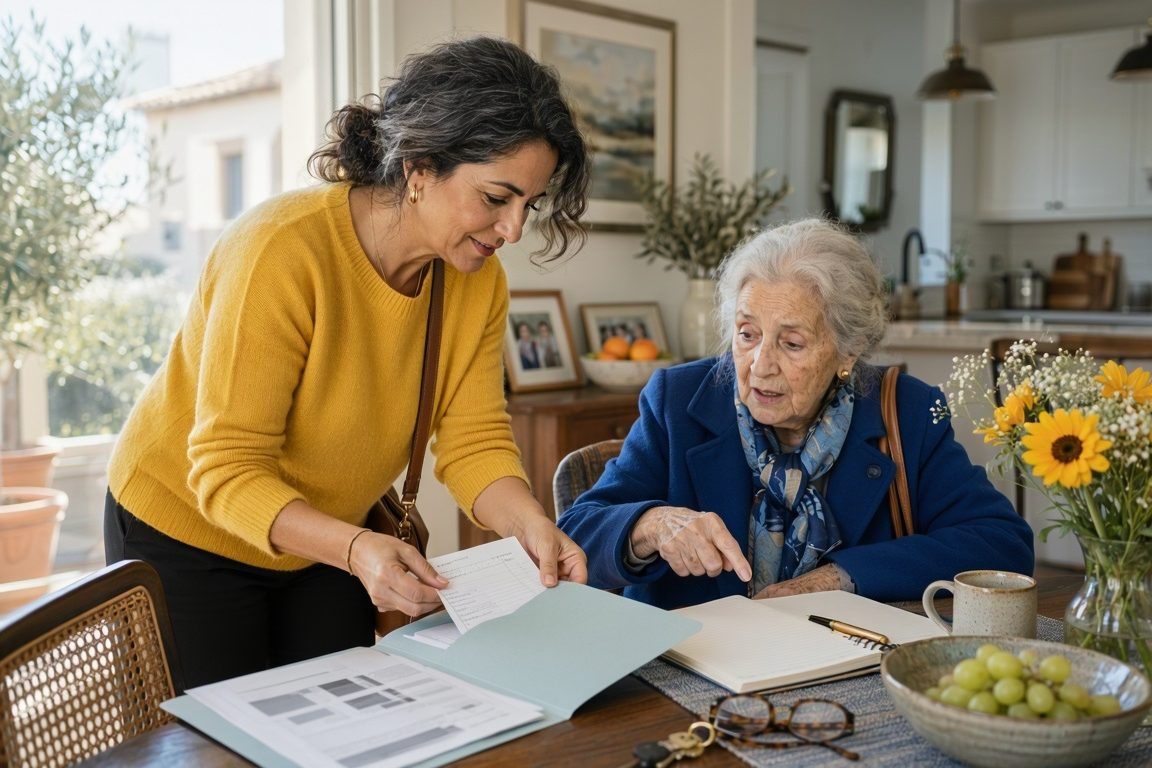
A successful appointment isn't just between you and the doctor, it's a three-way conversation that includes your loved one, even if they have trouble communicating. The goal is to help the doctor see what is really happening day-to-day, not just what happens in the exam room. If you do all the work behind the scenes, managing medications, handling sundowning, dealing with falls, and then just talk about what's happening, the doctor may not fully grasp the challenges. You need to present the reality of your situation clearly and compassionately, while also making sure your loved one feels respected and included. Asking permission to talk about them, holding their hand, and saying something like 'Is it okay if we talk about you today?' can transform the dynamic from one of being ganged up on to one of teamwork.
Practical tools
4
One-Page Pre-Visit Summary
Include
Keep a copy in a binder or notes app and hand it to the doctor at the start of the visit.
Pocket Phrases for the Exam Room
Keep three scripts ready:
Note-Taking Setup
Decide before the visit how you will capture the conversation: bring a second person to take notes, ask the doctor if you can record on your phone, or use a notebook or app. If a family member cannot attend, ask if they can join by phone or schedule a follow-up telehealth call.
Between-Visit Symptom Tracker
Keep a simple ongoing log, a notebook page, notes app, or calendar entries, where you record changes as they happen:
This provides raw material for your next pre-visit summary and prevents patterns from being lost between appointments.
Different situations
Lewy body dementia or Parkinson's disease dementia
Be extra mindful of timing. People with Lewy body dementia often have fluctuations in alertness and may experience sundowning in the late afternoon. Schedule appointments for the morning when they are most alert. Also, ask the doctor about medication timing, some medications for Lewy body can cause daytime sleepiness or worsen balance. Discuss with your clinician before making any changes.
Late-stage dementia
In late stages, your loved one may not be able to participate in the conversation at all. Focus on being their advocate. Bring a detailed log of symptoms, pain indicators, and any changes in eating or sleeping. Ask the doctor about palliative care options and advance care planning. You may also want to request a house call if getting to the office is too difficult.
Spouse vs. adult child caregiver
If you are the spouse, you may have a deeper history with the doctor and feel more comfortable speaking up. However, you may also be more emotionally overwhelmed. If you are an adult child, you may need to establish credibility with the doctor. In either case, bring a written summary and be direct. If the doctor dismisses your concerns, don't hesitate to seek a second opinion.
Living in a facility (assisted living or nursing home)
Coordinate with the facility's nursing staff before the appointment. They can provide a report on your loved one's daily function, falls, and medication changes. Ask if a staff member can join the appointment via phone or telehealth. Also, ensure the doctor has the facility's contact information for follow-up.
Medicaid or limited insurance
Before the appointment, confirm that the doctor accepts your insurance. Ask about out-of-pocket costs for tests or referrals. If you need to find a new doctor, contact a senior placement agency or your local Area Agency on Aging for help finding providers who accept Medicaid. Don't wait until you are in crisis, start searching early, as waitlists can be months long.
For the doctor
4
- Ask your doctor: 'Are there any medications that could be causing my loved one's confusion or falls? Should we review the current medication list for possible side effects?'
- Ask your doctor: 'What are the signs that my loved one might need a higher level of care, such as memory care or hospice? How do we start that conversation?'
- Ask your doctor: 'If my loved one becomes aggressive or has hallucinations, what should I do? Are there medications or strategies that can help?'
- Ask your doctor: 'Can you help me create a plan for what to do if my loved one falls or has a medical emergency at home?'