
Step by step
What not to do
- Do not use bright light therapy in the evening, as it signals daytime and can worsen sundowning.
- Do not force a light box on someone who resists or leave it unattended; if they refuse, try natural sunlight or place the box in a room they enjoy.
- Do not rely on light therapy alone; combine it with a consistent daily routine, daytime activity, and a calm evening environment.
- Do not expect immediate results; improvements often take days to weeks. If no change after a month, consult a doctor.
- Do not start light therapy if the person has cataracts, macular degeneration, or other eye conditions without first checking with an eye doctor.
Key points
- Light therapy uses bright morning light (natural or a light box) to reset the brain's internal clock and reduce sundowning symptoms.
- It is a safe, non-drug approach, but always consult a doctor before starting, especially if there are eye conditions or medication interactions.
- Combine light therapy with a consistent daily routine, limited naps, and a calm evening environment for best results.
- Switch to warm, dim lighting in the late afternoon to signal evening and reduce confusion.
- Be patient, improvements may take days to weeks. If no change after a month, talk to your doctor.
- Light therapy is not a cure, but it can improve quality of life by easing agitation and helping your loved one sleep better.
Videos
 How Does Light Therapy Help Dementia Sundowning?Explains the science behind light therapy and how it resets the circadian rhythm, with practical tips for morning exposure.
 Can Light Exposure Reduce Sundowning In Dementia?Covers the basics of using a light box and natural sunlight, including recommended duration and timing.
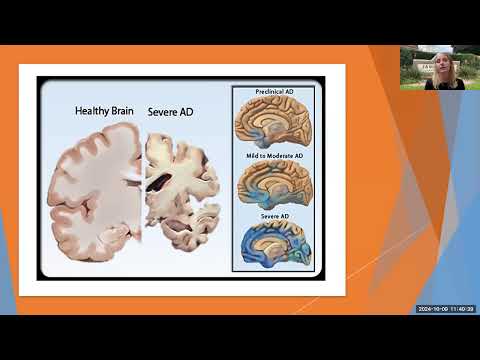 Coping with Sundowning & Sleep Issues as a Dementia CaregiverOffers a comprehensive look at non-drug strategies, including light therapy, and how to combine them with other approaches.
 What is Sundowning Syndrome in Dementia and How Can You Manage It?Provides a clear definition of sundowning and a step-by-step management plan that includes light therapy.
2 more videos
 Light therapy for dementia? Does it work?Reviews the research evidence for light therapy, including studies in nursing homes, and discusses compliance challenges.
 Tips for Coping With SundowningPractical caregiver tips for reducing sundowning triggers, including lighting adjustments and calming routines.
Background
What Is Sundowning and Why Does It Happen?
Sundowning is a pattern of increased confusion, agitation, restlessness, and anxiety that typically appears in the late afternoon or early evening and can last into the night. It is not a disease itself but a common symptom in dementia, especially Alzheimer's disease. The person may pace, repeat questions, become suspicious, or seem frightened by shadows. This happens because the brain's internal clock, the circadian rhythm, gets disrupted. Damage to parts of the brain that regulate sleep and wakefulness makes it hard for the person to tell day from night, so as daylight fades, their brain struggles to process the change. They may also be exhausted from trying to make sense of a confusing world all day, and their ability to cope simply runs out.
How Light Therapy Helps Reset the Internal Clock
Light therapy works by exposing the person to bright light that mimics natural sunlight, usually in the morning for about 30 minutes to an hour. This light is about 30 times brighter than regular indoor lighting. The goal is to send a strong signal to the brain that it is daytime, which helps reset the circadian rhythm and encourages better sleep at night. Research in nursing homes has shown that bright light therapy can improve sleep, reduce daytime napping, decrease depression, and lower agitation. It is considered a safe, non-drug approach that works best when combined with other strategies like a consistent daily routine and reducing evening stimulation. However, the evidence is not yet conclusive, and more research is needed to determine the most effective protocols. Always talk to your doctor before starting, especially if your loved one has eye conditions or takes medications that increase light sensitivity.
Practical tools
5
Morning Light Exposure Routine
Within 10–15 minutes of waking:
Light Box Buying Guide
Select a 10,000-lux unit with a built-in UV filter, large enough to cover the face at 16–24 inches. Trusted models: Carex Day-Light, Verilux HappyLight. Avoid small units requiring direct staring; place on a stable, flat surface to prevent tipping.
Evening Wind-Down Kit
Prepare a basket with:
Bring it out around 4:00 PM to anchor a predictable, soothing ritual.
Phrases to Use During Sundowning
Speak slowly and calmly. Say: 'I can see you are feeling uneasy. Let's sit together and look at these photos.' Or: 'It is getting dark outside, but we are safe here. Would you like a warm drink?' Avoid 'Why are you upset?' Instead, validate: 'This time of day can be confusing, and I am right here with you.'
Sundowning Prevention Schedule
Different situations
Early stage (Stage 4) vs. late stage (Stage 5+)
In early stages, the person can often participate in choosing when to use the light box or go outside. They may benefit from a light box in the morning while reading or doing a puzzle. In late stages, they may not understand the light box and may become agitated. In that case, rely on natural sunlight through windows or a short time outside in a wheelchair. Also, in late stages, be extra cautious about glare and shadows, use blackout curtains in the evening to prevent confusion.
Alzheimer's vs. Lewy body dementia
In Lewy body dementia, the brain is especially sensitive to light and visual changes. Bright light therapy may still help, but start with very short sessions (5-10 minutes) and watch for increased confusion or hallucinations. Also, people with Lewy body dementia often have visual hallucinations, so shadows and glare can be particularly frightening. Use soft, even lighting and avoid flickering lights. Always consult a neurologist before starting light therapy in Lewy body dementia.
Home setting vs. care facility
At home, you have full control over lighting and routine. Use the morning light exposure and evening wind-down kit consistently. In a care facility, you may need to work with staff to ensure your loved one is placed near a window in the morning and that lights are dimmed in the common areas by late afternoon. Ask the facility if they have a light box you can use, or bring your own with staff permission. Also, coordinate with staff to limit naps and maintain a consistent schedule.
Spouse vs. adult child caregiver
As a spouse, you may be more attuned to your partner's preferences and can integrate light therapy into existing routines (e.g., morning coffee together on the porch). As an adult child, you may need to gently introduce the idea to your parent, who might resist change. Use phrases like 'I read this might help you sleep better, can we try it together for a week?' Also, adult children may need to coordinate with other family members or in-home aides to ensure consistency.
Medicaid or limited budget
Light boxes can be expensive, but you can achieve similar effects with natural sunlight. Open curtains wide, sit near a bright window, or take a short walk outside. If you do buy a light box, look for used ones online or check with local dementia support groups, some loan them out. Also, use free resources like the 'Answers About Alzheimer's' website for downloadable guides and tips.
Common questions
5
Can people with advanced dementia have moments of clarity?
While light therapy focuses on easing sundowning, moments of clarity in advanced dementia are possible but unpredictable; offer a calm, familiar environment and gentle reassurance when they occur, as this can help reduce confusion.
What are the advantages of hypodermoclysis (subcutaneous infusion) over IV therapy for older adults?
Hypodermoclysis is gentler for older adults because it’s easier to set up, less stressful, and has fewer side effects than IV therapy; it’s a good option to discuss with your loved one’s doctor if hydration is a concern.
Why do some physical therapists doubt the benefit of therapy for dementia patients, and how can it be addressed?
Some therapists worry dementia patients can’t retain skills, but therapy can still improve mood, mobility, and daily comfort; address doubts by asking for small, achievable goals like standing with support or walking to a favorite chair.
How can caregivers use light and natural routines to improve dementia sleep without supplements?
Start each day with 30 minutes of bright morning light (natural or a light box) to reset the internal clock, then switch to warm, dim lights by late afternoon to ease into evening, this simple routine helps signal sleep time without supplements.
How can caregivers use light to improve dementia symptoms?
Use bright morning light for 30 minutes daily to lift mood and reduce afternoon confusion, then lower lights and keep evenings calm; pair this with a steady routine for the best chance of easing agitation and improving sleep.
For the doctor
5
- Ask your doctor: 'Is light therapy safe for my loved one given their specific health conditions, especially any eye problems like cataracts or glaucoma?'
- Ask: 'Could any of their current medications cause light sensitivity or interact with bright light therapy?'
- Ask: 'If light therapy does not help after a month, should we consider a sleep medication as a temporary aid to help reset their routine?'
- Ask: 'Are there any underlying conditions like arthritis or dehydration that might be contributing to sundowning and need treatment first?'
- Ask: 'What is the best time of day and duration for light therapy based on my loved one's sleep patterns and stage of dementia?'