Step by step
What not to do
- Do not start with more than 2.5 mg of THC. High doses can cause confusion, paranoia, and increased fall risk in seniors.
- Do not use products without third-party lab testing or a certificate of analysis. Many contain little CBD or have contaminants.
- Do not combine cannabinoids with alcohol, sedatives, or sleep aids without medical approval. This can cause excessive drowsiness or respiratory depression.
- Do not assume more will work better. Cannabinoids have a bell-shaped dose-response curve; too much can reduce benefits or cause adverse effects.
- Do not stop existing dementia medications or antipsychotics abruptly. Taper only under medical supervision to avoid withdrawal or rebound symptoms.
- Do not give cannabinoids to a person with severe swallowing difficulties or who cannot communicate. Oil can be aspirated; prioritize non-pharmacological approaches.
Key points
- Start with the lowest possible dose (1-2 mg THC or 5-10 mg CBD) and increase slowly over weeks, not days.
- Use a combination of CBD and THC for more aggressive behaviors, as CBD alone may be too mild.
- Always consult a doctor before starting, especially if the person is on other medications.
- Keep a daily log of behaviors, sleep, appetite, and side effects to guide adjustments.
- Choose high-quality, lab-tested products from reputable sources to avoid contaminants.
- Be aware that as dementia progresses, the effectiveness of cannabinoids may change, requiring a reassessment of the care plan.
Videos
 Explainer | Medical Cannabis and DementiaProvides a clear overview of how cannabis is being studied for dementia symptoms and the difference between CBD and THC.
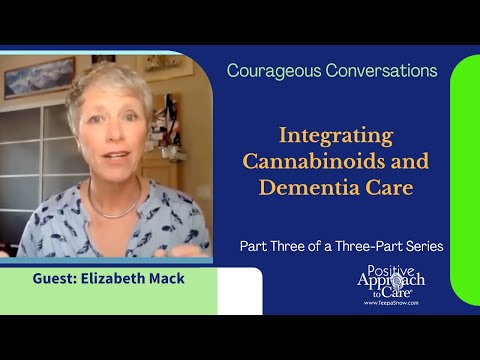 Integrating Cannabinoids and Dementia CareFeatures a conversation with experts on practical integration of cannabinoids into dementia care, including dosing tips.
 Dementia Medications Pharmacist InterviewA pharmacist discusses how cannabinoids compare to traditional dementia medications, including side effects and interactions.
 Cannabis Gets the Green Light for Dementia Patients | Brain TalksExplores recent research and clinical trials on cannabis for dementia, including dosing from studies.
2 more videos
 The Vitamin Deficiency that Mimics DementiaReminds caregivers to rule out reversible causes of dementia-like symptoms before turning to cannabinoids.
 Depression and Dementia in Older AdultsDiscusses how depression can mimic or worsen dementia symptoms, which may respond to different treatments than cannabinoids.
Background
Why Cannabinoids Are Being Considered for Dementia Care
Dementia often brings challenging behavioral symptoms like agitation, aggression, anxiety, and sleep disruption. Standard treatments sometimes include antipsychotic medications, but these drugs can cause significant side effects such as sedation, blunted emotions, movement problems, and even increased risk of stroke or death in people with Lewy body dementia. As one geriatric specialist explains, antipsychotics 'slow everything down, including the good things,' which is why many clinicians and families are looking for gentler options. Cannabinoids like CBD and THC are emerging as a potential alternative. Some studies suggest they may have a different side-effect profile, but they still carry risks, including drowsiness, dizziness, and drug interactions. They should be considered only under careful medical supervision, not as a blanket safer alternative.
The Difference Between CBD and THC and How They Work in the Brain
CBD (cannabidiol) and THC (delta-9-tetrahydrocannabinol) are the two most studied compounds in cannabis. THC is the psychoactive component that produces a 'high,' while CBD is non-intoxicating. In the brain, THC stimulates CB1 receptors, which can improve mood, appetite, and pain relief at very low doses (1-2 milligrams), and may even enhance cognition in some seniors. CBD works differently: it acts as an antioxidant and neuroprotectant, helping to reduce inflammation, calm the nervous system, and support the body's own endocannabinoid system. CBD also counterbalances some of THC's psychoactive effects, which is why many experts recommend using a combination of both for dementia symptoms, especially when behaviors are more aggressive.
The Challenge of Dosing: Start Low, Go Slow, and Observe Carefully
Dosing cannabinoids for dementia is not one-size-fits-all. Experts emphasize that for seniors, a very low dose of THC (1-2 milligrams) can be beneficial for mood, appetite, and pain without causing intoxication or confusion. In contrast, CBD often requires much higher doses (hundreds of milligrams) to achieve a therapeutic effect. Some clinical products, like Sativex (a mouth spray), use a 1:1 ratio of CBD to THC, with each spray delivering 2.5 mg of each. The key principle is 'start low and go slow,' observing how the person responds over several days before adjusting. Because cannabinoids can cause drowsiness, nighttime dosing is often recommended, though some individuals may become more alert, in which case morning dosing may be better.
Important Safety Considerations and Drug Interactions
The biggest concern among medical experts is how cannabinoids might interact with other medications, especially blood thinners, sedatives, and certain antidepressants. Always discuss with your clinician before starting any cannabinoid product. Additionally, the FDA warns that many CBD products on the market are of unknown quality and make unproven medical claims. Look for products that are ethanol-extracted, lab-tested, organic, and from whole plants. Because THC is still federally illegal in the US, availability varies by state, and you must ensure you are complying with local laws. Finally, for people with Lewy body dementia, antipsychotic medications can be especially dangerous, making cannabinoids a potentially safer option, but still requiring close medical supervision.
Practical tools
5
Dosing Log
A daily log with columns for: date, time, product name, dose (mg), behaviors before dose, behaviors 1-2 hours after, sleep quality (1-5), appetite (1-5), and side effects. Bring to all follow-ups to guide adjustments.
Clinician Discussion Phrases
Ask: 'What is the safest starting dose for a person of their age and medical history? Are there specific products you recommend or warn against?'
Nighttime Routine
Pair the dose with dim lights, a warm foot bath, soft music, and a calm phrase like 'Time to rest now, I am here with you.' This conditions the brain for relaxation and may reduce the needed dose over time.
Adverse Reaction Plan
If confusion, paranoia, or a fall occurs:
State Legality Checker
Use the National Conference of State Legislatures website to verify state laws. In medical-cannabis states, a doctor's recommendation may be needed. In CBD-only states, ensure THC is below 0.3%.
Different situations
Lewy body dementia (LBD)
People with LBD are extremely sensitive to antipsychotics, which can cause severe rigidity, sedation, and even death. Cannabinoids may be a safer alternative, but you must start with an even lower dose (e.g., 0.5 mg THC) and monitor closely for any increase in confusion or hallucinations. Always work with a neurologist who specializes in LBD.
Late-stage dementia (unable to communicate)
When the person cannot tell you how they feel, rely on behavioral cues: grimacing, moaning, restlessness, or resisting care may indicate pain or agitation. Start with a very low dose of CBD (5 mg) and observe for 3-5 days. If no improvement, consider a 1:1 product with 1 mg THC. Use a tincture placed inside the cheek for faster absorption if swallowing is difficult.
Spouse vs. adult child caregiver
Spouses may be more hesitant to use a cannabis product due to generational stigma. Provide education about the difference between medical use and recreational use. Adult children may be more open but may need to advocate with the spouse who is the primary caregiver. In both cases, involve the person with dementia in the decision if they are able to understand and consent.
Living in a facility (assisted living or nursing home)
Many facilities have policies against cannabis products, even in states where they are legal. You may need to provide a doctor's note or a medical cannabis card. Some facilities will allow CBD-only products. Always ask the facility director in writing and get approval before bringing any product in. If denied, ask about non-pharmacological alternatives for agitation.
Medicaid or Medicare coverage
Cannabinoid products are not covered by Medicare or Medicaid. You will pay out-of-pocket. Costs can range from $30 to $150 per month depending on dose and product quality. Some dispensaries offer discounts for seniors or low-income individuals. Explore financial assistance programs if needed.
For the doctor
7
- Ask your doctor: 'Is it safe to use CBD or THC with my loved one's current medications, especially blood thinners, sedatives, or antidepressants?'
- Ask your doctor: 'What is the safest starting dose for a person with dementia who is frail or has liver/kidney issues?'
- Ask your doctor: 'Should we stop or reduce any current medications before starting cannabinoids?'
- Ask your doctor: 'Are there any specific brands or formulations you recommend or warn against?'
- Ask your doctor: 'How should we monitor for side effects like increased confusion, falls, or changes in blood pressure?'
- Ask your doctor: 'If we see improvement, how long should we continue before reassessing?'
- Ask your doctor: 'If there is no improvement after one week, what dose increase would you recommend, and under what conditions should we stop?'