
Step by step
What not to do
- Do not say the person is getting a 'caregiver' or 'helper' in front of them.
- Do not force social interaction or demand they accept the person immediately.
- Do not leave them alone together until trust is established.
Key points
- Introduce the new helper as a friend, not a caregiver, to reduce resistance.
- Start with a shared activity, not a care task, to build trust naturally.
- Be present for the first few visits and gradually step back.
- Give the caregiver a written cheat sheet with your loved one's preferences and triggers.
- Use therapeutic fibbing to redirect anxious questions without arguing.
- Be patient: acceptance may take days or weeks, and that is normal.
Videos
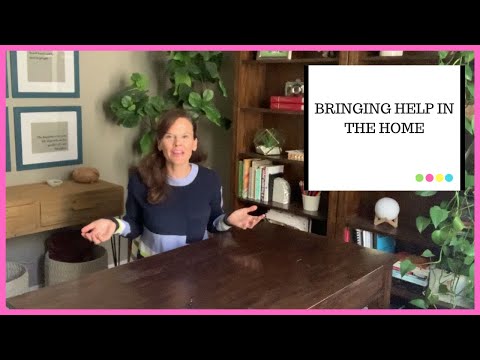 How to get someone with dementia to accept help from others: 5 tips (plus bonus)This video offers five practical tips for making a loved one more receptive to help from a new person, including how to frame the helper and set them up for success.
 34. Introduce and Integrate a Caregiver: Six Essential Tips / Alzheimer’s and Other DementiasThis podcast episode provides six clear steps for integrating a new caregiver into your care team, from creating a welcoming environment to building trust gradually.
 How To Get Someone With Dementia To Accept HelpThis video focuses on the mindset shift needed to help your loved one accept help, emphasizing patience and the importance of a personal approach.
 Dementia Care Partner Talkshow Podcast #45: How to Successfully Introduce Care Aides into Your HomeThis talk show addresses the specific challenge of introducing aides into the home when the person with dementia tends to keep people out, offering creative solutions.
2 more videos
 New Dementia Caregiver? Watch This!This video covers four essentials for new caregivers, including the importance of not correcting the person with dementia, which is crucial when introducing a new helper.
 Should I Tell A Person With Dementia They Are Moving?While focused on moving, this video offers valuable insights on how to handle difficult conversations and use therapeutic fibbing, which applies to introducing a new caregiver.
Background
Why Your Loved One May Resist a New Helper
When a person with dementia sees a new face in their home, their brain may interpret it as a threat or an intrusion. Their ability to process new information and adapt to change is impaired, so even a well-meaning helper can trigger confusion, anxiety, or agitation. This is not about being difficult; it is a protective response from a brain that struggles to make sense of unfamiliar situations. The person may feel they are losing control over their own space and routines, which can feel deeply unsettling.
The Key Mindset Shift: Focus on the Person, Not the Disease
Instead of thinking about 'managing dementia,' think about connecting with the person. Every individual has unique preferences, habits, and triggers. A cookie-cutter approach rarely works. Your job is to help the new caregiver become a familiar, trusted presence by focusing on what your loved one enjoys, fears, and finds comforting. This means the caregiver should be introduced not as a 'helper' but as a friend or companion who shares an activity or interest. The goal is to build rapport slowly, not to force care.
The Role of the Family Caregiver in the Transition
You are the bridge between your loved one and the new helper. Your calm, confident presence sets the tone. If you are anxious or rushed, your loved one will pick up on that. Plan to be present for the first few visits, even if just for a short time, to model trust and show that this person is safe. Over time, you can gradually step back. Remember, this is a process that may take days or weeks, and that is normal. Patience and consistency are your greatest tools.
Practical tools
2
Familiar object for connection
Identify one object (e.g., old photo, favorite blanket, a plant) the helper can use as a conversation starter or comforting focal point.
Routine checklist for the helper
Write a one-page list of daily timing and sequence of key activities (e.g., breakfast at 8am, walk after lunch) to maintain consistency.
Different situations
If your loved one has Lewy body dementia
People with Lewy body dementia often have visual hallucinations and fluctuating alertness. Introduce the helper at a time of day when your loved one is most clear-headed, usually mid-morning. Avoid busy or noisy environments. The helper should be trained to not react to hallucinations and to use distraction rather than correction.
If your loved one is in the moderate stage of dementia
At this stage, your loved one may have more trouble with language and understanding. Use very simple, short sentences. The helper should use a calm, slow voice and give one-step instructions. Avoid asking questions that require a complex answer. Focus on non-verbal cues like smiling and gentle touch.
If you are an adult child introducing a helper for a parent
Your parent may feel a loss of authority or be embarrassed about needing help. Frame the helper as 'someone who helps me' rather than 'someone who helps you.' This preserves their dignity. You might say, 'Mom, I hired someone to help me with the housework. She'll be here on Tuesdays.' This reduces the focus on your parent's needs.
If your loved one lives alone and the helper will be there without you
Start with several visits where you are present. Then have the helper come for short periods while you are in another room. Finally, have the helper come for a short visit when you are out of the house, but return quickly. Use a nanny cam or check-in call to monitor. Build trust slowly over a week or more.
If your loved one has a history of aggression or resistance to care
Choose a caregiver with specific training in de-escalation and dementia care. The first few visits should be very short (10-15 minutes) and purely social. Avoid any care tasks until trust is solid. Have a backup plan, such as a family member who can step in if needed. Discuss any behavioral triggers with the caregiver beforehand.
Common questions
17
How can caregivers help seniors cope with stress and anxiety from new Social Security rules?
This question is outside the scope of the guide, which focuses on introducing an in-home helper. For stress about Social Security rules, contact your local Area Agency on Aging or a social worker for specific guidance.
How do I introduce gloves to a person with dementia, and handle refusal?
If your loved one refuses gloves, use a therapeutic fib: say 'These are special soft mitts to keep your hands warm' and join them in a shared activity like folding laundry together. Avoid arguing, just model wearing them yourself first.
How can families gradually introduce home care to a resistant loved one?
Start by having the new helper arrive as a 'friend' to do a shared activity you both enjoy, like looking at photos or having tea, while you stay present. Gradually step back over several visits, letting trust build naturally.
Is it okay for a dementia caregiver to have a relationship with someone else?
This question isn't addressed in the guide, which focuses on introducing a home helper. For personal relationship questions, consider speaking with a support group or counselor familiar with caregiver burnout and boundaries.
How do I invite a person with dementia who feels excluded or is labeled as difficult?
Invite them gently by saying 'I could really use your help with this' while starting a simple, familiar task like folding napkins or sorting cards. Keep the activity short and positive, without pressure to stay.
How can technology help me be more present with my loved one rather than transactional?
Use a simple tablet or voice assistant to set reminders for shared moments, like playing a favorite song or starting a photo slideshow together. This shifts focus from tasks to connection, aligning with the guide's emphasis on shared activities.
How should I respond to unsolicited dementia advice?
Thank them warmly and say 'I'll keep that in mind,' then redirect to what works for your loved one based on their known preferences. Trust your own knowledge, you know them best.
Can I be paid through Medicaid to care for my family member?
This is outside the guide's scope. Contact your state's Medicaid office or a Medicaid planner to explore eligibility for caregiver payment programs in your area.
What admission steps and assessments happen when someone enters a nursing home?
This question isn't covered in this guide, which is about introducing an in-home helper. For nursing home admissions, speak with the facility's social worker or discharge planner for detailed steps.
How do I care for someone with dementia who can no longer use their legs?
Focus on comfort and connection: position them safely in a supportive chair, and engage in seated activities like looking at a book together or listening to music. The guide's strategy of shared, non-care tasks still applies.
7 more questions
How do I introduce an adult day center to a person with dementia?
Introduce the center as 'a nice place where I have a friend who needs my help for a few hours' and go with them for a short first visit. Stay present, do an activity together, and let them see it's safe.
What should I do when I notice a significant change in my loved one with dementia?
Note the change calmly and contact their doctor, keeping a simple log of what's different. Meanwhile, reduce demands and focus on comforting routines, using the guide's patience approach.
How can I connect with my loved one when their reality seems different from mine?
Join their reality instead of correcting, if they think it's morning at dusk, say 'Good morning' and ask if they'd like tea. This builds connection and reduces agitation, as the guide suggests with therapeutic fibbing.
How can former caregivers become coaches or facilitators?
This isn't covered in this guide. To explore becoming a coach, look into organizations like the Alzheimer's Association that offer peer mentoring or facilitator training programs.
Why should hospital staff involve family carers when a confused older patient is admitted?
This is outside the guide's topic. For hospital involvement, you can request a family care meeting or speak with the patient advocate to share your loved one's routines and triggers.
What is a therapeutic fiblet and how can it ease introducing a caregiver?
A therapeutic fiblet is a gentle, harmless untruth, like calling the new helper 'my friend who loves gardening', to reduce resistance. Say it casually while starting a shared activity, and avoid over-explaining.
bringing in a third party to change caregiving dynamics
For the doctor
3
- If your loved one becomes severely agitated or aggressive when a new person enters the home, discuss with their doctor whether a medication adjustment or a referral to a behavioral specialist might help.
- If your loved one has a history of falls or medical instability, ask the doctor for specific safety precautions the new caregiver should follow.
- If you are unsure about the legal or financial aspects of hiring a caregiver (e.g., payroll, liability insurance), consult an elder law attorney or a social worker.