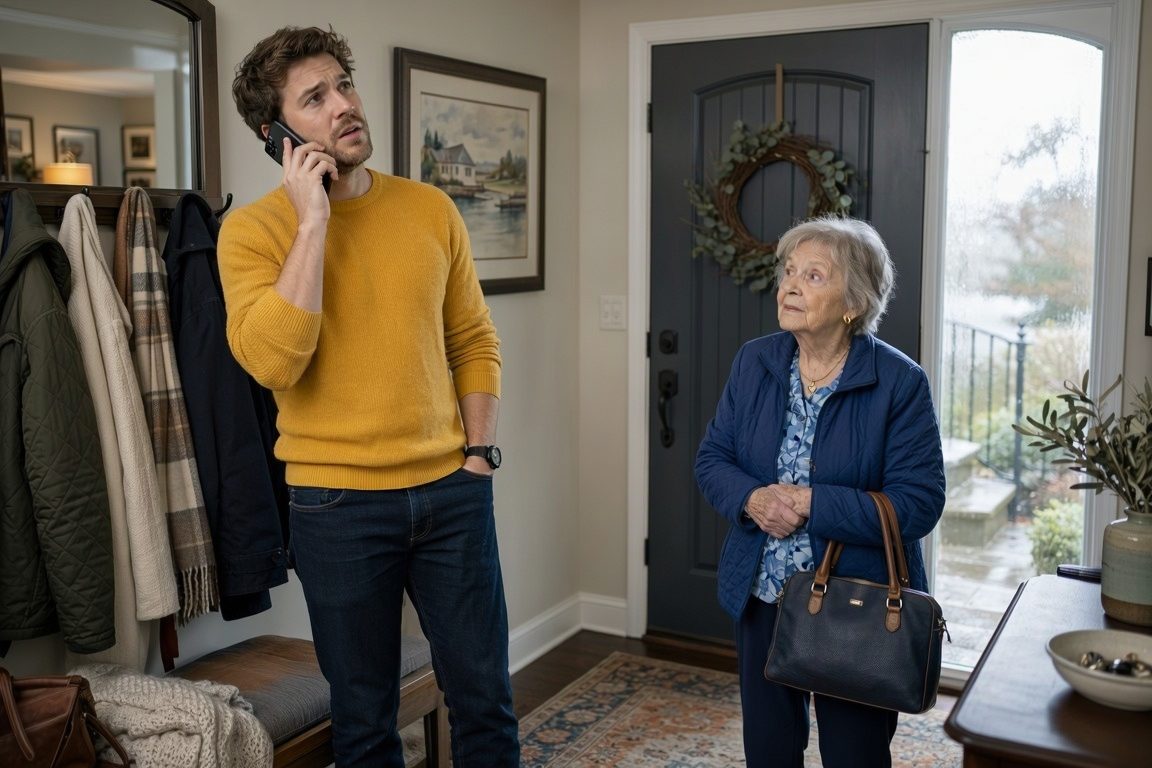
Step by step
What not to do
- Do not argue or correct delusions. Instead of 'Your mother died 20 years ago,' say 'Tell me about your mother.'
- Do not take accusations or anger personally; respond calmly with 'I am sorry you feel that way. Let's sit down.'
- Do not try to do everything alone. Delegate to family, friends, or paid caregivers for a few hours weekly.
- Do not neglect your own health, eat, move, sleep 7 hours, and consult your doctor before major changes.
- Do not talk about your loved one as if they are absent; include them in conversations and ask their opinion.
Key points
- Dementia is a brain disease that affects memory, thinking, and behavior. It is not a normal part of aging.
- Your job as a caregiver is to support and guide, not to correct or fix. Correcting often makes things worse.
- Create a simple daily routine and use clear, short communication to reduce confusion and anxiety.
- Take care of your own health: eat well, exercise, sleep, and take breaks. Burnout is real and preventable.
- You are not alone. Join a support group, ask for help, and use resources like the Alzheimer's Association.
- Forgive yourself. You are learning a new skill, and it takes time. Be kind to yourself.
Videos
 New Dementia Caregiver? Watch This!This video by Dr. Camille Sinclair explains the four essentials every new caregiver needs to know, including why correcting a person with dementia backfires and how to shift from fixing to supporting.
 5 Changes Caregivers Face After a Dementia Diagnosis!This video breaks down five major categories of changes you can expect, helping you prepare for what is ahead and feel less alone.
 Stages Of Dementia Caregiving: From Chaos To CalmThis video walks through the stages of caregiving, from the overwhelming unknown stage to finding a sense of calm and competence.
 Concerned you may be getting dementia?Many caregivers worry they are showing signs of dementia themselves. This video explains why those symptoms are often just caregiver burnout and what to do about it.
2 more videos
 What Is Caregiver Burden During Dementia Progression? - TestThis video explains the concept of caregiver burden and offers strategies to reduce it, including education, respite care, and support.
 Dementia Caregivers! 3 Signs You're Burning OutThis video helps you recognize the early signs of burnout so you can take action before it becomes overwhelming.
Background
What Dementia Actually Is
Dementia is a general term for a decline in mental ability that is severe enough to interfere with daily life. It is not a single disease but a group of symptoms caused by damage to brain cells. The most common type is Alzheimer's disease, but there are many others, including Lewy body dementia and vascular dementia. As dementia progresses, the frontal lobe of the brain, which controls judgment, planning, and emotional control, becomes damaged. This is why your loved one may start acting in ways that seem out of character, like being suspicious, agitated, or confused. They are not doing this on purpose; their brain is literally changing.
What This Means for You as a Caregiver
As a new caregiver, you are stepping into a role that is both challenging and rewarding. You will face things you have never dealt with before, like repetitive questions, wandering, or difficulty with bathing and dressing. It is normal to feel like you are in the 'unknown stage', like learning to drive a car for the first time. You do not know which pedal is the gas and which is the brake. That is okay. The key is to stop trying to 'fix' the dementia (you cannot) and instead learn to support and guide your loved one through their experience. Your job is not to correct them or make them remember; your job is to stand alongside them and help them feel safe.
The Emotional Toll on You
Caregiving is physically and emotionally exhausting. You may feel anger, guilt, frustration, worry, grief, or social isolation. These feelings are normal and do not make you a bad person. In fact, many caregivers worry that they themselves are showing signs of dementia because they are so tired and forgetful. That is usually just caregiver burnout, not dementia. Your health matters too. If you do not take care of yourself, you cannot take care of anyone else. That is why learning about dementia and getting support early is so important, it can help prevent burnout and keep you healthy.
Practical tools
7
Validation Phrase Bank
Use: 'I can see this is hard for you.' 'You are safe now.' 'Tell me more about that.' Avoid: 'You are wrong,' 'Remember...', 'I already told you.'
Daily Routine Whiteboard
Large whiteboard with pictures (toothbrush, plate). Update each morning. Reduces anxiety via predictability.
Two-Choice Method
Offer two visible options (e.g., blue or red shirt; tea or water) to give control without overwhelming.
Home Safety Checklist
Check for
Caregiver Stress Log
Notebook: one thing that went well, one gratitude, one stress moment + what helped (e.g., 5-min walk). Spot patterns.
Respite Care Resource List
List 3 contacts (family, neighbor, paid caregiver) by phone. Explore adult day centers or in-home respite via Area Agency on Aging.
Life Story / Memory Book
Binder with name, birthplace, favorite foods/songs/hobbies, family names. Use for orientation, new caregivers, and connection.
Different situations
If your loved one has Lewy body dementia
People with Lewy body dementia often have hallucinations, movement problems, and severe sensitivity to medications. Do not try to argue about the hallucinations; instead, say, 'I see that is frightening for you. I am here.' Watch closely for falls and bad reactions to medicines. Discuss all medications with a doctor who knows about Lewy body dementia. Avoid antipsychotic medications unless absolutely necessary, as they can be dangerous.
If your loved one is in the late stage of dementia
In late-stage dementia, your loved one may not speak or recognize you. Focus on comfort: gentle touch, soft music, familiar smells (like lavender). Use a calm voice. Do not force them to eat or drink; offer small amounts of soft foods. Watch for signs of pain (grimacing, moaning) and report them to the doctor. Your role is now about providing peace and dignity.
If you are an adult child caregiver
You may be balancing care for your parent with your own job, children, and family. Set boundaries early. Decide what you can and cannot do. Use a family meeting to divide tasks (e.g., one sibling handles finances, another handles doctor visits). Do not be afraid to say no. Your own family needs you too.
If your loved one is in a facility
Even when your loved one is in a nursing home or assisted living, you are still a caregiver. Visit regularly and build a relationship with the staff. Write down your loved one's preferences (favorite foods, music, routines) and share them. Advocate for their care. You are their voice.
If you are on Medicaid or have limited resources
Look into free or low-cost resources: the Alzheimer's Association helpline (800-272-3900), your local Area Agency on Aging, and community support groups. Many churches and non-profits offer free respite care. Do not be afraid to ask for help. You deserve support regardless of your budget.
For the doctor
5
- Ask your doctor: 'What type of dementia does my loved have, and how will it progress?'
- Ask your doctor: 'Are there any medications that can help with symptoms like agitation or sleep problems? What are the risks?'
- Ask your doctor: 'How often should my loved one have check-ups, and what should I watch for that needs immediate medical attention?'
- Ask your doctor: 'What is the best way to handle incontinence or bathing resistance?'
- Ask your doctor: 'Are there any local resources or support groups you recommend for caregivers?'