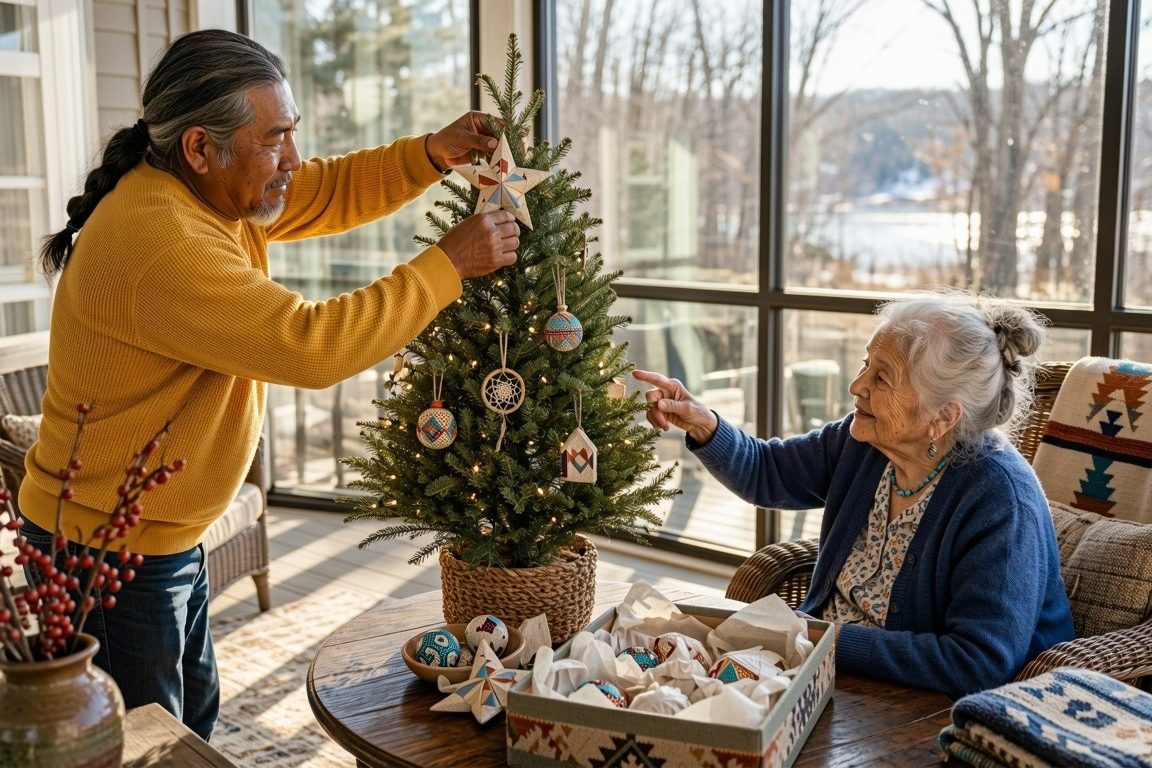
Step by step
What not to do
- Do not schedule events during your loved one's usual nap or rest times.
- Do not host a large, elaborate gathering if a smaller, quieter one would be less overwhelming.
- Do not let guests arrive without warning them about your loved one's condition and how to interact calmly.
- Do not leave your loved one in a noisy, overcrowded room without a quiet retreat option.
- Do not expect them to sit through a long meal or initiate conversation; give them a small task instead.
- Do not serve unfamiliar or hard-to-eat foods that increase frustration during meals.
- Do not assign yourself as the sole caregiver during the event, designate someone else as the primary support.
- Do not force old traditions that cause stress; replace them with simpler, calmer alternatives.
Key points
- Protect your loved one’s daily routine as much as possible; schedule events around naps and calm times.
- Scale down the event: smaller guest list, simpler food, shorter duration.
- Prepare guests in advance so they know what to expect and how to interact.
- Create a quiet, safe space where your loved one can retreat if overwhelmed.
- Involve your loved one in a simple, meaningful task to help them feel included.
- Let go of old traditions that cause stress and build new, low-pressure ones.
- Have a 'designated angel' to support your loved one so you can enjoy the event.
- Give yourself permission to leave early, cancel, or say no. Your well-being matters.
Videos
 6 Tips for Successful Holiday Visits!This video offers practical, step-by-step tips for planning a holiday visit, including how to prepare guests and what to do if your loved one seems overwhelmed.
 How to survive the holidays as a dementia caregiverFocuses on the caregiver's emotional experience and offers strategies for managing stress and lowering expectations during the holiday season.
 Dementia and The HolidaysCovers the importance of routine, adjusting activities, and involving your loved one in simple tasks to create positive memories.
 Quick Tips: The Holidays and DementiaA concise video with quick, actionable tips for making holiday gatherings more dementia-friendly.
2 more videos
 Holidays and Celebrations | Holidays and Celebrations (Teepa's Clips)Teepa Snow offers expert advice on how to 'celebrate, not elaborate,' and provides tips for both the person with dementia and their care partners.
 5 Dementia Friendly Holiday Tips For 2024Up-to-date tips for the current holiday season, including ideas for new traditions and how to handle travel.
Background
Why the Holidays Can Be So Challenging for Someone with Dementia
For a person living with dementia, the holidays are a perfect storm of sensory overload, disrupted routine, and social pressure. Their brain is already working hard to process the world, and suddenly there are more people, louder noises, unfamiliar smells from cooking, and a flurry of activity that can feel chaotic. They may not be able to follow fast-moving conversations, remember who just walked in the door, or understand why everyone is so excited. This can lead to anxiety, agitation, or withdrawal, not because they don't want to celebrate, but because their brain is overwhelmed.
At the same time, many people with dementia still feel a deep need to contribute and be part of the family. They may feel lost or useless if they are simply placed in a corner while everyone else bustles around. The key is to find small, meaningful ways for them to participate that match their current abilities, so they feel included rather than sidelined. This is not about giving up on the holidays; it's about adapting them so everyone can enjoy the time together.
The Caregiver's Emotional Load: Letting Go of 'Perfect'
As a caregiver, you carry the weight of wanting everything to be just right. You might be thinking, 'This could be the last holiday with Mom,' or 'I want the kids to have a normal Christmas.' That pressure can make you feel frantic, guilty, or resentful when things don't go as planned. It's important to recognize that these feelings are normal, but they can also lead to burnout and disappointment.
The truth is, the person with dementia does not need a perfect holiday. They need a calm, predictable, and loving environment. They need you to be present, not stressed. By lowering your expectations, not your love, you free yourself to actually enjoy the moments that do happen. You can't control how others act or how your loved one will feel, but you can control your own reactions and the environment you create. That is where your power lies.
Practical tools
4
Quiet Zone Setup
Designate a separate room or corner with
Ensure guests know it's available without stigma.
Pre-Event Guest Note
Send a brief, kind note a few days ahead describing what to expect (e.g., memory lapses, repetition) and how to help (keep conversations simple, smile, be patient).
Adaptive Eating Aids
Use
to reduce mealtime stress and maintain dignity.
Designated Angel Role Card
A one-page sheet for the chosen calm person listing their duties:
Different situations
Early-stage dementia (mild cognitive changes)
Your loved one may still be able to participate in more complex activities, like helping with simple recipes or setting the table. They may also enjoy conversations about past holidays. However, they may become easily overwhelmed by large groups or fast-paced events. Keep gatherings small (4-6 people) and short (1-2 hours). Let them help with planning if they want, but keep decisions simple (e.g., 'Do you want to have dinner at noon or 1 PM?').
Moderate-stage dementia (more confusion, memory loss, and behavioral changes)
Simplify everything. Your loved one may not recognize guests or remember the holiday. Focus on sensory experiences: soft music, familiar smells (like cinnamon or pine), and gentle touch. Avoid any activity that requires following directions or remembering steps. Use the 'quiet corner' and 'designated angel' tools consistently. Serve familiar, easy-to-eat foods. Plan for the event to last no more than an hour or two.
Lewy body dementia (fluctuating cognition, visual hallucinations, movement issues)
Be extra cautious with lighting and noise, as these can trigger hallucinations or confusion. Avoid busy patterns on tablecloths or decorations. Keep the environment calm and predictable. Your loved one may have good days and bad days; be prepared to cancel or shorten the event if needed. Discuss any medication changes or symptom management with your clinician before the holidays.
Caregiver is an adult child vs. a spouse
If you are an adult child, you may feel pressure to create a 'perfect' holiday for your parent, but you also have your own family to consider. Be honest with yourself about what you can handle. It is okay to say no to hosting or to ask siblings for help. If you are a spouse, you may feel a deep sense of loss for the traditions you once shared. Allow yourself to grieve, but also look for new ways to connect. Consider respite care for a few hours so you can have a break.
In a care facility vs. at home
If your loved one lives in a facility, coordinate with the staff. Ask about their holiday schedule and find out when the best time to visit is. Keep visits short and calm. Bring familiar items (a favorite blanket, a photo album) to help them feel grounded. If you are hosting at home, prepare the environment in advance: remove clutter, reduce noise, and have a quiet space ready. If travel is involved, discuss it with the facility staff and your clinician first.
Common questions
10
Why is planning ahead essential in dementia caregiving, and how do I start?
Plan ahead to protect your loved one's routine and reduce stress for everyone; start by choosing a time of day that aligns with their calmest hours and keep the event simple and short.
How should I modify holiday decorations to keep my loved one with dementia safe and calm?
Keep decorations minimal and familiar, avoiding blinking lights or clutter that can cause confusion; swap fragile ornaments for soft, unbreakable ones and ensure walkways are clear.
How should I prepare myself before calling my loved one with dementia during COVID or other separations?
Before calling, take a few deep breaths and remind yourself that your goal is connection, not a perfect conversation; be ready to follow their lead with simple, loving phrases and plenty of pauses.
What financial steps should I take before my loved one gets a formal dementia diagnosis?
While you are waiting for a formal diagnosis, gather key financial documents and explore setting up a durable power of attorney to help manage future care costs.
What should I do during visits to assess and support the person with dementia?
During your visit, first observe their mood and energy level, then join them in a calm activity like looking at a photo album, speaking slowly and using gentle touch if welcomed.
Why is flexibility important when visiting a person with dementia?
Flexibility lets you respond to their changing needs without frustration; if a planned activity upsets them, pivot to a simpler one like sitting together quietly or offering a favorite snack.
How can I connect virtually with a loved one who has early-stage dementia during the holidays?
For a virtual call, schedule it during their best time of day, keep the session under 15 minutes, and use a familiar face or a beloved object like a stuffed animal to spark recognition.
How do I mentally prepare for the possibility that the trip may not go perfectly?
Mentally prepare by telling yourself that a 'good' visit is one where your loved one feels safe and loved, regardless of the schedule; pack a backup plan like favorite music or a comfort item.
How should I talk to hosts and guests about my loved one's dementia during the holidays?
Talk to hosts and guests simply and kindly, saying something like, 'Mom might need breaks or quiet time, but she will love seeing you'; suggest they greet her with a smile and avoid testing questions.
How do I plan an outing for a person with dementia to minimize problems?
Plan the outing for their best time of day, keep it to one simple destination, and bring a familiar blanket or snack; let your loved one set the pace and be ready to head home early if they seem tired.
For the doctor
5
- If your loved one has a history of wandering, discuss a plan for the holiday gathering, including whether a GPS tracker or door alarms are appropriate.
- If your loved one is on medications that affect alertness or mood, ask your clinician if any adjustments might be needed for a special event (e.g., timing of a dose to avoid drowsiness during a gathering).
- If your loved one has difficulty swallowing or a history of choking, ask for a list of safe foods and textures before the holiday meal.
- If your loved one becomes severely agitated or aggressive during gatherings, ask your clinician about strategies or medications that might help in advance, and have a plan for when to leave or end the event.
- If you are considering traveling with your loved one, discuss any medical risks (e.g., falls, infections, confusion in new environments) and get a travel health checklist from your clinician.