
Step by step
What not to do
- Do not talk about your loved one as if they are not in the room. This strips dignity and can cause anger or withdrawal.Instead, include them in the conversation by saying, ‘We are here because Mom has been having some trouble with her balance. Mom, do you want to tell the doctor about that?’
- Do not raise your voice or speak louder than usual. Many people mistakenly think a person with dementia cannot hear, but the real issue is processing. Speaking loudly can feel aggressive and humiliating. Keep your tone even and natural (source 15).
- Do not ask ‘Do you remember?’ This question can cause embarrassment, anger, or a feeling of failure (source 5).Instead, provide the information yourself: ‘This is your granddaughter, Sarah. She came to visit today.’
- Do not rush through the appointment or try to cram in too many concerns. The doctor has an agenda, and you should have one too, but keep it focused on the top three issues. Trying to cover everything at once overwhelms both the patient and the clinician (source 7).
- Do not ignore your gut feeling that the doctor or office is not a good fit. If you feel dismissed, rushed, or that your loved one is not treated with respect, start looking for a new practice immediately. It can take months to get an appointment, and the relationship will not improve on its own (source 2).
- Do not leave your loved one alone in the exam room while you talk to the doctor in the hallway. This can increase anxiety and confusion. If you need a private moment, ask a nurse or aide to stay with your loved one in a calm, friendly way.
Key points
- Frame the visit as a routine checkup, not a dementia appointment, to reduce resistance.
- Ask your loved one for permission to talk about them at the visit; this restores dignity and control.
- Pack a small dignity emergency kit with spare clothes, incontinence supplies, medications list, and legal paperwork.
- Speak in short, one-idea sentences and avoid asking ‘Do you remember?’
- If the doctor or office does not treat your loved one with respect, start looking for a new practice immediately.
- After the visit, thank your loved one for their effort, even if it was hard.
Videos
 How to get someone with dementia to go to the doctorOffers practical framing strategies to reduce resistance before the visit.
 How to Prepare for a Doctor AppointmentCovers the logistics of preparing questions and setting up the environment.
 Eoin Walker Paramedic and Host of the Pre-Hospital PodcastProvides insight into emergency and acute care situations with a focus on dignity.
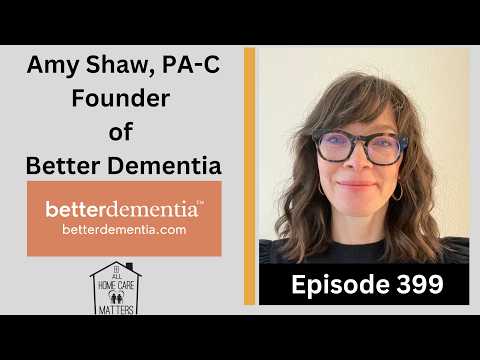 Amy Shaw, PA-C Founder of Better DementiaOffers a clinician’s perspective on how to communicate effectively during appointments.


Background
Why the doctor’s office is so hard for someone with dementia
For a person with dementia, a doctor’s appointment can feel like being thrust onto a stage without a script. The unfamiliar sights, sounds, and smells, the bright lights, the waiting, and the rapid-fire questions from a stranger all tap into the brain’s weakened ability to process new information. As one expert explains, when the brain is ‘breaking’ in certain ways, we cannot ask it to do cognitive work it can no longer handle (source 4). The person may feel confused, embarrassed, or even threatened, and behaviors like refusing to get out of the car or becoming agitated in the exam room are often expressions of that overwhelm, not stubbornness. Putting yourself in their shoes with empathy and compassion is the first step to a successful visit (source 1).
Dignity is not about hiding the diagnosis; it is about how you show up
Dignity in dementia care means accepting your loved one exactly where they are in their journey and not expecting more than their brain can do (source 4). In a medical setting, this translates to speaking to them as a whole person, not a list of symptoms. One care expert puts it simply: dignity is when you say, ‘You are a whole human being with whole value, and I respect you as a person’ (source 14). This means you do not talk over them, you do not use a louder voice because you assume they cannot understand, and you do not ask ‘Do you remember?’ which can cause anger or embarrassment (source 5). Instead, you keep your tone even and friendly, make eye contact at their level, and speak slowly with one idea per sentence (source 5). When the medical team sees you modeling this respect, they are far more likely to follow your lead.
Rapport with the office is a long-term investment that pays off when things get hard
The relationship you build with the doctor and office staff matters enormously. As one experienced caregiver notes, if you do not feel the doctor or office is a good fit, do not wait; start searching for another practice immediately because it can take months to get an appointment (source 2). When times get tough, and they will, you need to feel comfortable being brutally honest and vulnerable with the doctor (source 2). A good rapport means the staff knows your loved one’s name, understands their triggers, and has a quiet place ready if needed. It also means you, as the caregiver, feel heard and respected. Trust your gut: if the relationship feels off now, it will not get better as the disease progresses (source 2).
Practical tools
6
The ‘Permission Script’ for starting the visit
Before you leave home, say these exact words while holding your loved one’s hand: ‘Is it okay if we talk about you at the doctor’s today? I want to respect your voice. We are a team.’ This simple act restores a sense of control and dignity (source 7).
The ‘Routine Checkup’ framing
To reduce resistance, use a neutral reason for the visit. Say: ‘You are overdue for a routine checkup. The doctor called and wants to see you for a regular checkup’ (source 1). Avoid mentioning dementia or memory testing unless your loved one brings it up.
The ‘Dignity Emergency Kit’ checklist
Pack a small, discreet bag with:
Keep it out of sight until needed.
The ‘One Idea Per Sentence’ rule
When speaking to your loved one in the exam room, use short sentences with only one idea. For example: ‘The doctor is going to listen to your heart. It will be quick.’ Avoid complex instructions or questions. This reduces confusion and frustration (source 5).
The ‘Quiet Space’ request
When you call to schedule the appointment, ask the office: ‘Is there a quiet place where my loved one can wait safely, away from the busy hallway?’ Many offices have a private room or a quiet corner. This simple request can prevent overstimulation and agitation (source 7).
The ‘Post-Visit Thank You’ ritual
After the appointment, say to your loved one: ‘You did a great job. I am proud of us for working as a team.’ This reinforces a positive memory and builds trust for future visits. Even if the visit was hard, focus on the effort, not the outcome.
Different situations
Lewy body dementia
People with Lewy body dementia are especially sensitive to medications and may have severe reactions to certain drugs (source 19). Before the visit, discuss with the doctor any new or changed medications. Also, be aware that hallucinations or delusions may occur during the visit; provide reassurance with a calm, even tone and do not argue about what they are seeing (source 19). The ‘quiet space’ request is especially important, as overstimulation can trigger a sudden decline.
Frontotemporal dementia (FTD)
FTD often affects behavior and language more than memory. Your loved one may have difficulty finding words or may say things that seem inappropriate. Do not correct or scold. Instead, use the ‘one idea per sentence’ rule and keep your tone friendly. The ‘permission script’ is crucial because people with FTD may feel a loss of control acutely. Also, be prepared for the doctor to ask about changes in personality or social behavior; frame these as neutral observations, not criticisms.
Adult child caregiver vs. spousal caregiver
If you are an adult child, your loved one may feel a loss of authority or embarrassment about needing help from their child. Use the ‘permission script’ and emphasize teamwork: ‘We are in this together.’ If you are a spouse, your loved one may feel more comfortable but also more vulnerable about their changing role. Use phrases like ‘I am here to help you, just like you always helped me.’ In both cases, avoid any language that sounds like you are taking over.
Late-stage dementia (moderate to severe)
In later stages, your loved one may not be able to communicate verbally or may be easily overwhelmed. The ‘dignity emergency kit’ becomes essential for hygiene and comfort. Speak in a soft, calm voice even if they do not seem to understand; they may still pick up on your tone and emotional vibration (source 16). Ask the doctor to speak directly to your loved one first, then turn to you for details. If the visit is too stressful, ask if a telehealth follow-up is possible for routine checks.
In a facility (nursing home or assisted living)
If your loved one lives in a facility, coordinate with the staff before the appointment. Ask them to help with dressing and to have your loved one ready at the right time. Notify the facility nurse of any special needs, such as a quiet waiting area. During the visit, the facility staff may accompany you; make sure they also use the ‘one idea per sentence’ rule and speak directly to your loved one. After the visit, debrief with the staff so they can reinforce any care instructions.
For the doctor
4
- Ask your doctor: ‘Are there any medications that could worsen my loved one’s confusion or agitation during visits? Should we adjust the timing of any meds before the appointment?’
- Discuss with the clinician: ‘If my loved one becomes very agitated during an exam, what is the safest way to handle it? Are there non-pharmacological strategies you recommend?’
- Ask: ‘Is there a specific type of appointment or testing (like an MRI or blood draw) that might be especially difficult? How can we prepare or modify it?’
- If your loved one has Lewy body dementia, ask: ‘Are there any medications we should absolutely avoid because of the risk of severe reaction?’ (source 19).