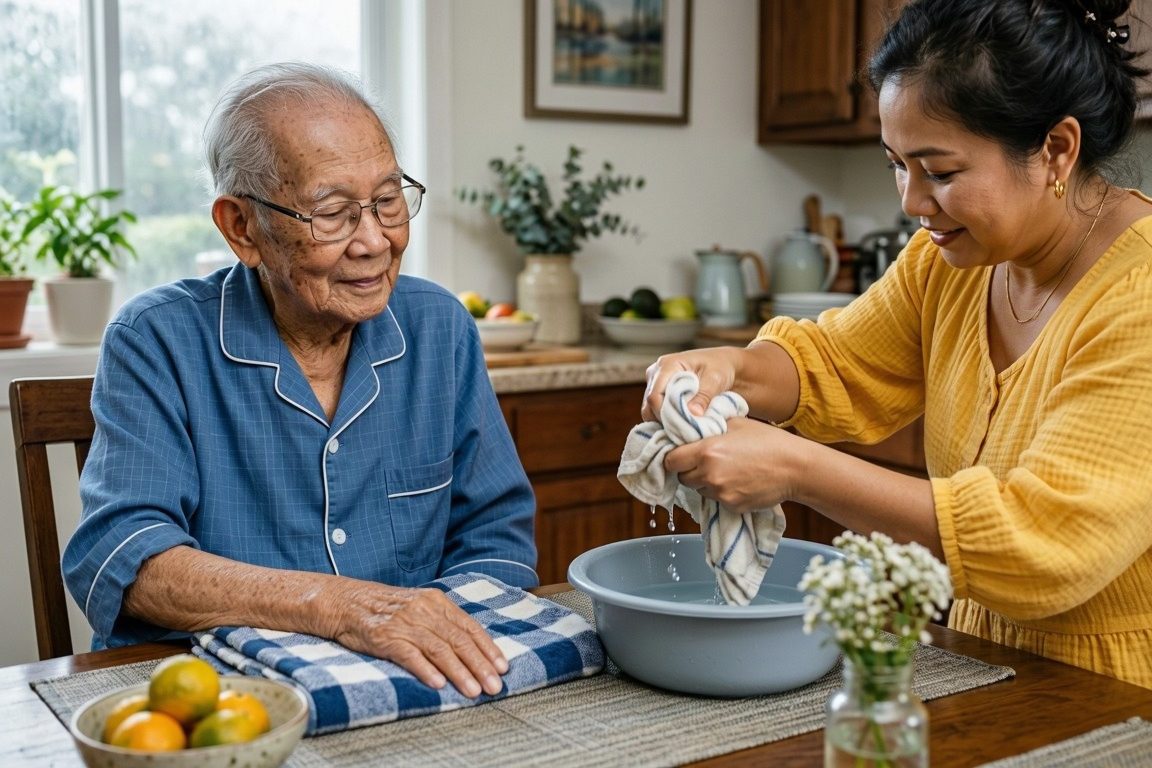
Step by step
What not to do
- Do not force or physically restrain the person to bathe them.
- Do not argue or try to reason that they need a shower.
- Do not leave them alone in the bathroom if they feel unsafe.
- Do not insist on a full bath or shower if they resist, use alternatives instead.
Key points
- Bathing refusal is usually about fear, sensory changes, or loss of control, not stubbornness.
- You do not need to give a daily shower; sponge baths and no-rinse wipes are effective alternatives.
- Warm the bathroom thoroughly before starting; cold is a major barrier.
- Offer choice illusions to give a sense of control without changing the outcome.
- Never force or argue, it erodes trust and can cause lasting trauma.
- Consider hiring a home health aide or using a different family member if resistance is persistent.
Videos
 Refuses to Shower? Dementia Bathing Tips That WorkDr. Khushboo Verma explains the top reasons for bathing refusal and offers practical, gentle alternatives.
 Family Caregiving Discussions With Elderly Parents Who RefusePamela D. Wilson gives scripts for how to talk to a parent who refuses, including using a calendar and routine.
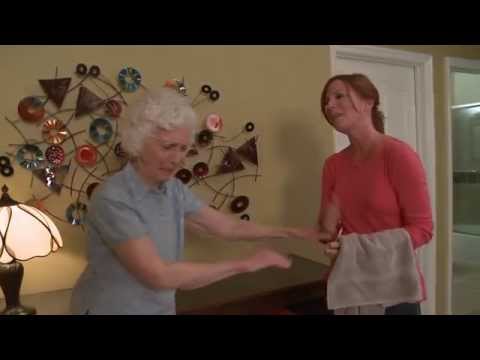 Caregiver Training: Refusal to Bathe | UCLA Alzheimer's and Dementia CareUCLA Health demonstrates a real-life scenario and shows how to respond with sensitivity and respect.
 Why Dementia Patients HATE Bathing (11 Shocking Reasons!)Dementia Careblazers breaks down 11 reasons for refusal, including sensory issues and fear of falling.
2 more videos


Background
Why Bathing Becomes a Battle
For someone with dementia, the request to shower can feel like an attack on their personhood. As one dementia specialist explains, they lose insight into their own hygiene needs, so when you bring it up, it feels like a violation of their privacy and autonomy. Nobody likes being told what to do, and for a person whose world is shrinking, resisting a bath may be one of the few ways they can assert control. Additionally, the brain changes of dementia can make the shower experience genuinely terrifying, water may feel scalding or freezing due to sensory misfiring, and depth perception issues (especially common in Lewy body dementia) can make stepping into a tub feel like stepping into a dark pit.
The Hidden Fears and Physical Discomforts
Many people with dementia refuse bathing because they are afraid of falling, of drowning, or of the cold. The bathroom is often a chilly, echoey space, and asking someone to undress in a cold room is a non-starter when their body temperature regulation is already impaired. They may also have arthritis, neuropathy, or pain that makes undressing or standing painful. Some forget they have already showered, or believe they have, and your insistence feels like an accusation. Understanding these root causes helps you shift from frustration to problem-solving, and from arguing to adapting.
The Goal Is Cleanliness, Not a Shower
A key insight from multiple experts is that you do not need to give a daily shower or bath to keep someone clean. Sponge baths, bed baths, and no-rinse wipes are perfectly adequate for hygiene, especially for a sedentary person. The real goal is to reduce the risk of skin breakdown, infection, and odor, not to replicate your own bathing routine. When you let go of the idea that a shower is the only way, you open up a world of gentler, more cooperative alternatives.
Practical tools
5
No-rinse bathing wipes
Pre-moistened, disposable wipes that clean without soap or water. Heat them in a towel warmer or microwave for comfort.
Shower chair or bath transfer bench
A sturdy, adjustable chair that fits over the tub or sits in the shower, allowing the person to sit safely while washing.
Warm, dry towels
Pre-warm towels in a dryer or warmer to keep the person comfortable before and after washing.
Dry shampoo or no-rinse shampoo cap
Foam or spray dry shampoo for hair cleaning without water; or a cap with built-in cleanser that is microwaved and wiped off.
Portable basin or sink insert
A small plastic basin that fits in a sink or on a table for sponge baths, so water and supplies stay contained.
Different situations
Lewy body dementia or Parkinson's dementia
These conditions often involve depth perception issues and sensitivity to temperature. Use extra caution with water temperature, test it on your own wrist first. Avoid asking the person to step over a tub edge; use a walk-in shower or a transfer bench. The bathroom should have high-contrast colors (e.g., dark toilet seat on light floor) to help with navigation.
Late-stage dementia (bedridden or very frail)
Full baths are usually not possible. Use bed baths with no-rinse wipes or a basin of warm water. Focus on pressure point areas (back, heels, elbows) to prevent skin breakdown. Use a waterproof pad under the person. Always keep them warm and covered. Discuss with a clinician about skin care products to prevent rashes.
Spouse vs. adult child caregiver
Spouses may find it easier to bathe their partner because of existing intimacy, but the partner may also feel more embarrassed. Adult children often face more resistance due to role reversal. In either case, using a hired aide or a different family member can break the pattern. If you are the spouse, try saying 'Let's get cleaned up together' or 'I need to shower, will you keep me company?'
In a memory care facility
Work with the staff to establish a consistent routine and preferred caregiver. Many facilities have success with a 'bath aide' who comes at the same time each week. Provide the facility with your loved one's favorite soap, lotion, and a list of calming phrases that work. Ask if they can use a warm towel or a heated blanket post-bath.
Vascular dementia
This type often comes with more physical frailty and incontinence. Focus on perineal care and skin protection. Use barrier creams as recommended by a clinician. The person may have more preserved insight early on, so you can sometimes reason with them, but still avoid arguing. Use the 'top and tail' method to keep it quick.
Common questions
2
Should I take something away or offer an alternative?
Offer an alternative instead of taking something away, try a warm sponge bath or no-rinse wipes, which feel less invasive and let your loved one stay partially dressed.
What specific techniques can I use to make bathing easier and more dignified?
Warm the bathroom completely first, then use a 'top and tail' approach: wash the face, underarms, and private areas with a warm, damp cloth, leaving the rest for another day.
For the doctor
4
- Ask the doctor if pain medication timing could be adjusted to make bathing more comfortable, and what the safest window is to avoid falls.
- Discuss any skin conditions (eczema, psoriasis, fragile skin) that may require special cleansers or barrier creams.
- If your loved one has frequent urinary tract infections or skin breakdown, ask about a referral to a wound care nurse or occupational therapist for bathing strategies.
- Ask about the use of antipsychotic or anti-anxiety medication for severe agitation during bathing, this should only be used as a last resort and under close medical supervision.