Step by step
What not to do
- Don't start sentences with 'who,' 'what,' 'where,' 'why,' or 'how.' Questions like 'What's going to happen to you?' or 'Why don't you listen to me?' sound accusatory and put your loved one on the defensive.Instead, use 'I' statements: 'I'm worried about you falling' or 'I want to help you stay safe.'
- Don't try to rationalize or explain all the reasons they have to move. When dementia is involved, rationalization can backfire, it can confuse and agitate your loved one, making them more resistant. Keep explanations simple and brief.
- Don't push harder when they resist. Pushing harder almost always leads to more resistance and can cause your loved one to shut down completely.Instead, back off for a few weeks and try again later. This gives them time to process the idea without feeling pressured.
- Don't try to control or change your loved one's mind. Trying to control them will likely be met with strong resistance.Instead, work to accommodate their needs and remain flexible. Their behaviors are motivated by something, often a need for control or a sense of usefulness, so find ways to address that need.
- Don't bribe or threaten. Bribes (like 'If you move, I'll buy you a new TV') can feel manipulative and may not address the underlying fear. Threats (like 'If you don't move, I won't visit') damage trust and increase anxiety. Stick to respectful, collaborative conversations.
- Don't forget to take care of yourself. Caregivers can be as stubborn and refusing of help as the people they care for. If you're feeling resentful, overwhelmed, or stuck, seek support from a support group, a therapist, or a trusted friend. You can't pour from an empty cup.
Key points
- Resistance to moving is usually about fear of losing independence and control, not about being difficult. Approach with empathy, not frustration.
- Listen first, explain later. Active listening, validating their feelings without jumping to solutions, builds trust and opens the door to real conversation.
- Use collaborative language: 'Me too,' 'Let's work together,' 'I want to help you stay independent.' Avoid commands, accusations, and long rationalizations.
- It may take five to fifteen conversations before they agree to move. Don't give up after one or two tries. Each 'no' is one step closer to a 'yes.'
- If dementia is involved, keep explanations short and simple. Be aware that brain changes can affect perception, pain, and insight, their refusal is a form of communication.
- Consider bringing in a neutral third party (doctor, social worker, hired caregiver) if family conversations are going nowhere. Sometimes a professional's voice is heard differently.
- Celebrate small wins: a visit, a conversation, a 'maybe.' Each small step reduces resistance and builds momentum toward a safer, more supportive living situation.
Videos
 SENIOR PARENT FAILS: What To Do When Your Elderly Parent Refuses To MoveThis video directly addresses the most common question caregivers have about refusal to move, offering practical tips and a compassionate approach.
 Family Caregiving Discussions With Elderly Parents Who RefuseFocuses on the underlying beliefs behind refusals and how to have productive conversations that respect your loved one's autonomy.
 ASSISTED LIVING CONVERSATIONS - Talking to your parents about Assisted LivingProvides specific scripts and strategies for bringing up assisted living in a way that reduces resistance and increases cooperation.
 7 TIPS to get your loved one with dementia to move closer to familyTailored for dementia caregivers, this video offers concrete steps to help a loved one with dementia agree to move closer to family.
2 more videos
 Is Your Aging Parent With Dementia Refusing Help? Do This!Addresses the common scenario of a parent with dementia refusing help, with actionable advice for turning resistance into cooperation.
 Quick Tips: Caring for a Loved One and Dealing with ResistanceOffers quick, practical tips for handling resistance in the moment, perfect for when you need a fast reminder during a tough conversation.
Background
The Real Reasons Behind the Refusal
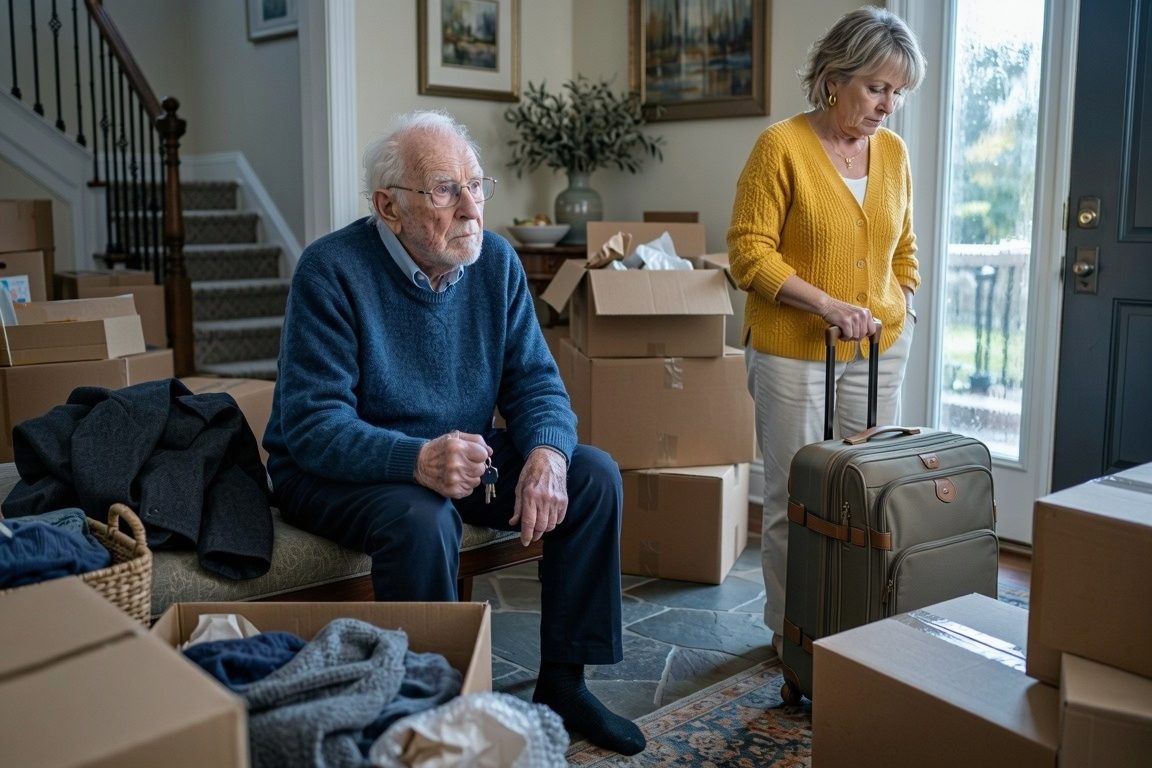
When your loved one refuses to move, it's easy to feel frustrated or even angry. But stepping back and looking at the situation from their perspective can change everything. For many older adults, physical or cognitive decline comes with a profound sense of loss. They've spent decades building a life in their home, and the idea of leaving can feel like losing their identity, their autonomy, and their sense of self. From their point of view, your well-meaning suggestions may sound like you're taking away their control, not offering help. As one expert notes, the difficult behavior you see may actually be your loved one's attempt to keep control and maintain a sense of autonomy in a world that feels increasingly out of their hands.
How Dementia Changes the Equation
If your loved one has dementia, the resistance goes even deeper. The brain changes caused by dementia can lead to disorientation, confusion, and perceptual disturbances. For example, they may not be able to process depth perception, making a new environment feel terrifying and disorienting. They may also lose awareness of their own limitations, while you see a fall risk, they genuinely believe they are managing fine. This isn't denial; it's a neurological change that makes insight unreliable. Additionally, the part of the brain that processes pain and temperature (the insula) can misfire, meaning something that feels comfortable to you might feel painful or alarming to them. Understanding that the refusal is a form of communication, a way for their brain to say 'I'm scared' or 'I don't understand', can help you respond with compassion instead of frustration.
The Emotional Weight of the Decision
For many older adults, the idea of moving triggers deep fears: fear of the unknown, fear of losing friends and routines, fear of being a burden, and fear of being told what to do, especially by their own children. Your suggestions can unintentionally sound preachy or bossy, which only strengthens their resistance. They may also feel a sense of shame or embarrassment about needing help, which makes them dig in their heels. Recognizing that this is a grief process, they are grieving the loss of their independence and their home, can help you approach the conversation with patience and empathy. It may take five, ten, or even fifteen conversations before they are ready to say yes, so don't give up after one or two tries.
Practical tools
6
The 'Me Too' Script
When your loved one says they want to stay home, respond with: 'Me too. I want that too. Let's work together to make that happen safely.' This simple phrase validates their wish and turns you into an ally, not an adversary. Practice it until it feels natural.
The 'Independence' Reframe
Instead of saying 'You can't stay here,' say: 'I don't want you to lose your independence. Let's find a way to support and enhance your independence so we can make your wish to stay home a reality.' This reframes the move as a way to preserve independence, not take it away.
The 'Five Conversations' Plan
Set a reminder to bring up the topic of moving once every few weeks, not every day. Each time, use a different angle:
Keep it light and conversational. Track each attempt as progress, not failure.
The 'Visit First' Strategy
If your loved one is open to it, arrange a low-stakes visit to a potential facility. Go for a meal, attend an event, or just walk around the grounds. Let them see the environment and talk to residents. If they're very resistant, start by visiting a facility that's not even on your short list, just to get them used to the idea of visiting. Repeat visits build familiarity and reduce fear.
The 'Neutral Third Party' Card
If conversations with you are going nowhere, ask a doctor, a social worker, or a professional caregiver to bring up the topic. Sometimes a person in a uniform or a professional role is seen as more objective and less threatening. They can say the same things you've been saying, but your loved one may hear them differently.
The 'Small Step' Tracker
Create a simple checklist of small wins: 'Agreed to talk about it,' 'Visited a facility,' 'Had a meal there,' 'Talked to a resident,' 'Said maybe.' Celebrate each step. This helps you see progress even when the big decision hasn't been made yet.
Different situations
If your loved one has dementia (especially Lewy body or frontotemporal)
Keep explanations very short and simple, one sentence at a time. Avoid rationalization. Use a calm, reassuring tone. Be aware that perceptual changes (like depth perception or temperature sensitivity) may make a new environment feel frightening. Visit the new place multiple times before moving day to build familiarity. Consider using a 'stand lift' or other mobility aids if they have difficulty with stairs or transfers. If they are prone to wandering, make sure the new environment is secure and that neighbors and local police are informed.
If you are an adult child caregiver
Be especially careful not to sound bossy or preachy. Your parent may resist being told what to do by their child. Use collaborative language like 'Let's work together' and 'What do you think?' Acknowledge their authority and experience. If they say 'You don't understand,' validate that: 'You're right, I haven't lived in your shoes. But I love you and I'm worried.' Consider bringing in a sibling or a neutral third party to share the conversation load.
If you are a spousal caregiver
The dynamic is different, you are partners, not parent and child. Use 'we' language: 'We need to think about what's best for us.' Acknowledge the loss of your shared home and life. You may need to grieve together. Be honest about your own limitations: 'I'm struggling to keep up with the house and your care. I need help, and I think we both need a place that can support us.' Consider couples counseling or a support group for spousal caregivers.
If the move is to a facility (assisted living, memory care, or nursing home)
Focus on the positive aspects of the facility, social activities, meals, safety, and freedom from home maintenance. Visit multiple times before the move. If possible, have your loved one spend a night or two before the permanent move. Bring familiar items from home (photos, a favorite chair, a quilt) to make the new space feel like theirs. Prepare for a period of adjustment, it's normal for them to resist or feel sad for weeks or months after the move.
If the move is to your home or closer to family
This can be especially challenging because your loved one may feel like a burden or lose their sense of independence. Reassure them that you want them there and that they are not a burden. Set up a dedicated space that feels like their own. Establish routines that give them a sense of purpose (e.g., helping with simple chores, setting the table). Be prepared for role reversal, you may need to set boundaries and ask for help from other family members or hired caregivers to avoid burnout.
For the doctor
5
- If your loved one has a history of falls or is a fall risk, ask their doctor about physical therapy to improve strength and balance before or after the move. This can reduce the risk of injury and increase their confidence.
- If your loved one has dementia and is experiencing hallucinations, delusions, or severe anxiety about the move, discuss these symptoms with their neurologist or geriatric psychiatrist. Medication adjustments may help ease the transition.
- If your loved one is on multiple medications, ask the doctor or pharmacist to review them for side effects that could contribute to confusion, dizziness, or agitation. A medication review can sometimes reduce resistance by addressing underlying issues.
- If your loved one has a history of wandering or getting lost, discuss safety measures with their doctor, such as GPS trackers, ID bracelets, or door alarms. These can prevent dangerous situations during the transition period.
- If you are feeling overwhelmed, depressed, or resentful, talk to your own doctor or a mental health professional. Caregiver burnout is real, and getting support for yourself is essential to being able to care for your loved one.