Step by step
What not to do
- Don't assume no pain means healthy bones; don't ignore a stooped back or height loss, osteoporosis is silent until fracture.
- Don't skip the DEXA scan due to age or dementia; fracture risk rises with age and can be devastating in cognitive decline.
- Don't rely on standard X-ray to diagnose osteoporosis; it misses early bone loss that a DEXA scan catches.
- Don't assume men are not at risk; one in four men over 50 will fracture, so screen men over 70.
- Don't lift or move the person by pulling their arms, shoulders, or wrists; this can cause fracture in fragile bones.
Key points
- Osteoporosis is a silent disease, no symptoms until a fracture happens. Screening with a DEXA scan is the only way to know for sure.
- Postmenopausal women and men over 70 are at highest risk, but anyone can develop it. Don't assume age or gender protects against it.
- A DEXA scan is quick, painless, and uses very low radiation. It's the gold standard for diagnosis.
- Fall prevention is your most powerful tool. Remove hazards, improve lighting, and use grab bars to create a safe home environment.
- Medication, diet, and exercise can slow bone loss, but always work with a clinician to find the right plan for your loved one.
- If your loved one has dementia, watch for nonverbal signs of pain from fractures, and keep a log of any falls or near-falls.
Videos
 How is dementia diagnosed?This video explains the diagnostic process for dementia, which is important to understand alongside osteoporosis because both conditions require careful coordination of care and screening.
 Mild dementia vs Mild cognitive impairmentUnderstanding the difference between mild cognitive impairment and dementia helps you know what to expect as your loved one's condition progresses, which affects how you manage osteoporosis care.
 11 Warning Signs / Symptoms Of Alzheimer's And DementiaRecognizing early signs of dementia can help you get a timely diagnosis and start fall prevention and bone health measures sooner.
 Inside a Dementia Clinic: What REALLY Happens? Invited talk by Dr. Khushboo VermaThis video gives a behind-the-scenes look at a dementia clinic, which can help you prepare for appointments and understand how to advocate for your loved one's bone health.
Background
What Is Osteoporosis and Why Does It Happen?
Osteoporosis is a condition where bones become weak and brittle, so much so that a fall or even mild stresses like bending over or coughing can cause a break. Think of healthy bone as a honeycomb matrix, strong and dense. In osteoporosis, that matrix becomes porous and fragile, like a sponge with too many holes. This happens because your bones are constantly being broken down and rebuilt. When you're young, your body makes new bone faster than it breaks down old bone, building up your bone mass. But after about age 30, that process slows, and eventually, you lose bone faster than you create it. The result is a skeleton that can break with minimal trauma.
Who Is at Highest Risk?
While osteoporosis can affect anyone, some groups are at much higher risk. Women who are white or of Asian descent, especially after menopause, are at the greatest risk because the drop in estrogen around age 50 triggers a significant imbalance in bone remodeling. For men, the risk rises later, typically after age 70, because the decline in sex hormones is more gradual. But regardless of gender, age is a major factor. The less bone you built in your youth, the less you have 'in the bank' to draw from as you age. That's why screening is so important, especially for postmenopausal women and men over 70.
How Is Osteoporosis Diagnosed?
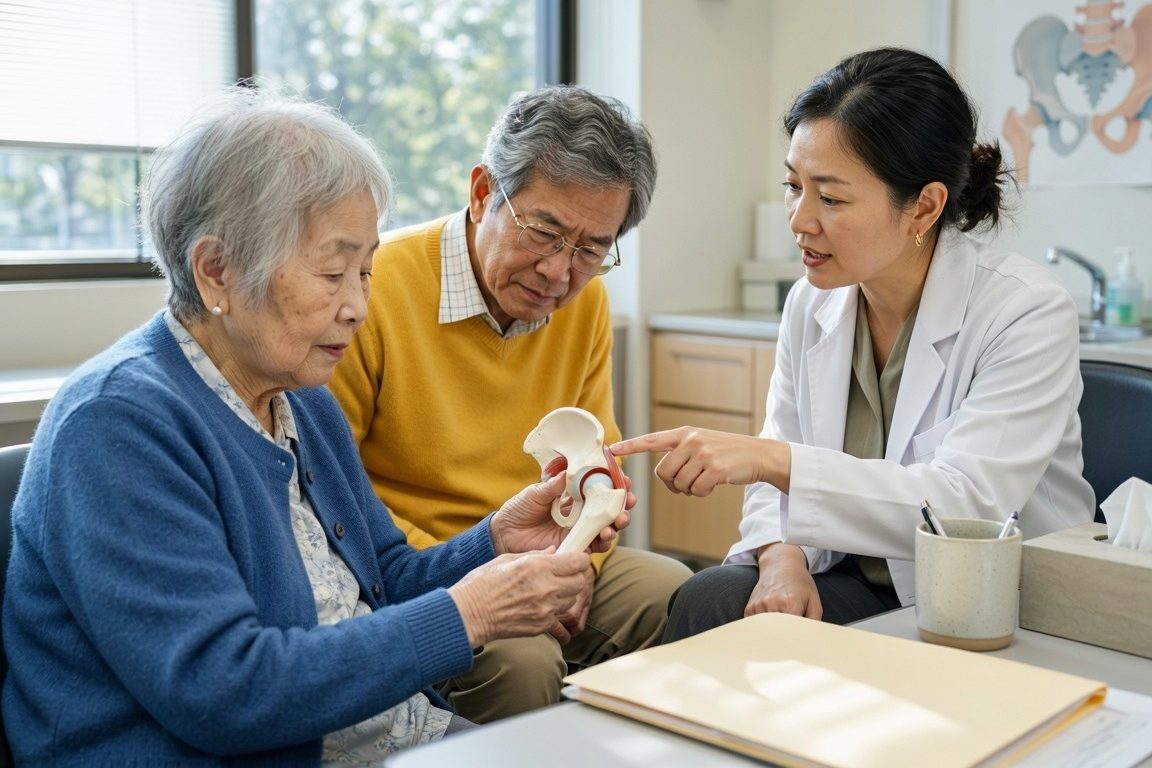
The most common way osteoporosis is found is through routine screening, often during a regular checkup. Sometimes it's discovered when a broken bone is X-rayed, or even by chance when an X-ray is done for another reason, like a chest X-ray. Your healthcare professional will also do a physical exam, checking for changes in height or posture that can signal spinal fractures. But the gold standard for diagnosis is a bone density scan, also called a DEXA scan. This machine uses very low levels of X-rays to measure the proportion of mineral in your bones, giving a clear picture of where your bone health stands. The test is quick, painless, and provides crucial information about your risk.
What Does the Diagnosis Mean for Daily Life?
An osteoporosis diagnosis doesn't mean you have to stop living. It means you need to be proactive. The goal is to prevent fractures, which can have serious consequences, especially for someone with dementia who may not be able to communicate pain or follow recovery instructions. With the right steps, medication, diet, exercise, and fall prevention, you can slow bone loss and reduce the risk of breaks. Your clinician will guide you on treatments, but your role as a caregiver is to create a safe environment and encourage healthy habits.
Practical tools
5
DEXA Scan Preparation Checklist
Room-by-Room Fall-Proofing Guide
Safe Movement Phrase Bank
Use calm, clear phrases: "Hold my arm and stand up slowly." "Turn your whole body, not just your head." "Take small steps and look at your feet." "Bend your knees and reach for the chair." Promotes deliberate movement and reduces fall risk.
Fracture & Falls Log Template
Record date, time, what happened, injury observed, and the person's reaction. Note any posture/height changes. Bring to every clinical visit to adjust the care plan.
Dementia-Friendly Medication Schedule
A simple daily chart with checkboxes for each medication, calcium, and vitamin D. Ask pharmacist for liquid/smaller tablets if swallowing is hard. Tie doses to a consistent, pleasant cue (e.g., morning tea, TV show). Do not change schedule without clinician approval.
Different situations
Lewy body dementia or Parkinson's disease dementia
These conditions often cause movement problems like stiffness, tremors, and balance issues, which increase fall risk. The fall-proofing advice becomes even more critical. Consider using a walker or wheelchair for safety, and work with a physical therapist who specializes in these conditions. Also, be aware that these dementias can cause fluctuations in alertness, so your loved one may be more prone to falls during 'off' periods.
Late-stage dementia
In late stages, your loved one may be bedridden or unable to follow instructions. Focus on preventing fractures from turning or repositioning in bed. Use a hospital bed with side rails, and consider a pressure-relieving mattress. When transferring from bed to chair, use a mechanical lift if available. Also, monitor for pain from undetected fractures, as your loved one may not be able to tell you. Look for nonverbal cues like grimacing, moaning, or agitation.
Spouse vs. adult child caregiver
If you are a spouse, you may be older yourself and at risk for osteoporosis. Get screened yourself, and consider how your own health affects your ability to provide care. If you are an adult child, you may need to balance work, your own family, and caregiving. Look into respite care or home health aides to help with fall prevention and daily tasks. In both cases, remember that your own bone health matters too.
Living in a facility (nursing home or assisted living)
The facility staff should already have fall prevention protocols, but you can advocate for your loved one. Ask about their fall risk assessment and what measures are in place (e.g., bed alarms, non-slip flooring, regular checks). Also, ensure the staff knows about the osteoporosis diagnosis and any medications. If your loved one is able, encourage them to participate in supervised exercise programs offered by the facility.
Medicaid or limited resources
If cost is a concern, ask the clinician about generic medications or patient assistance programs. Many communities offer free or low-cost bone density screenings at health fairs or senior centers. For fall-proofing, focus on low-cost solutions: remove clutter, use a nightlight, and secure rugs with tape. You can also contact your local Area Agency on Aging for resources and support.
For the doctor
6
- Ask the doctor: 'What is the best medication for my loved one's specific type of osteoporosis, and what are the side effects?'
- Ask: 'How much calcium and vitamin D should my loved one take daily? Is it safe to take with their other medications?'
- Ask: 'Are there any exercises or activities that are off-limits given their bone density score and dementia stage?'
- Ask: 'How often should we repeat the DEXA scan to monitor bone density changes?'
- Ask: 'If a fracture occurs, what is the best treatment plan for someone with dementia? Should we go to the emergency room or call you first?'
- Ask: 'Are there any medications my loved one currently takes that could increase fall risk, like blood pressure drugs or sedatives?'