
Step by step
What not to do
- Don’t say 'no' outright or argue about the behavior. This often triggers a fight-or-flight response, making the person more determined to keep the items or layers.Instead, use redirection: 'Let’s put that in the closet for now and come back to it after lunch.'
- Don’t throw away or hide their hoarded items without their knowledge. This can cause deep distress and erode trust. If you must remove something for safety (like spoiled food), do it when they are not watching, and replace it with a similar safe item (like a clean empty container).
- Don’t shame or criticize. Avoid phrases like 'Why are you wearing that? It’s too hot!' or 'You don’t need all this junk.' This makes them feel like a failure.Instead, use neutral observations: 'I see you have a lot of things here. Let’s make sure you have room to walk safely.'
- Don’t force them to change clothes or discard items if they are not ready. This can lead to agitation, aggression, or withdrawal. Use the 'do, delay, delete' approach: do something together, delay the decision, or delegate it to a trusted person later (Dementia Caregiver Support For Christians).
- Don’t ignore safety hazards. While you want to allow harmless behaviors, you must intervene if there is a fall risk (clutter on stairs), fire risk (papers near a stove), or health risk (rotting food). Frame the intervention as care: 'Let’s move this to a safer spot so you don’t trip.'
- Don’t assume the behavior is meaningless. Ask yourself: 'What is this person trying to tell me?' They may be expressing anxiety, boredom, or a need for sensory input. Address the underlying need, not just the behavior.
Key points
- Saying 'yes' to harmless behaviors reduces conflict and preserves dignity.
- Hoarding and layering are often expressions of a need for control, comfort, or identity.
- Use the 'yes, and' technique to redirect without confrontation.
- Create a designated 'yes space' for collected items to keep the home safe and organized.
- Always check for safety hazards first, then allow what is harmless.
- Personalize your approach based on the stage of dementia, the setting, and your relationship.
Videos
 The Power of YES! How to Fix Problem Dementia Behaviors w/ REDIRECTIONDemonstrates the 'yes, and' redirection technique in action, showing how to interrupt a behavioral loop without saying no.
 How To Get Someone With Dementia To ChangeOffers strategies for gently guiding a person to change a behavior (like removing layers) without causing distress.
 Zinnia Dementia Caregiver Support Webinar: Self-Care Toolkit and Self-CompassionHelps caregivers manage their own discomfort when allowing behaviors that feel 'wrong', essential for sustaining the 'yes' approach.
 Hoarding Behaviors: Insights and InnovationsExplores the psychology behind hoarding in dementia and offers harm-reduction strategies for caregivers.
2 more videos
 Wandering, Rummaging, & Hoarding, Oh My!Covers the link between wandering, rummaging, and hoarding, with practical tips for creating safe spaces.
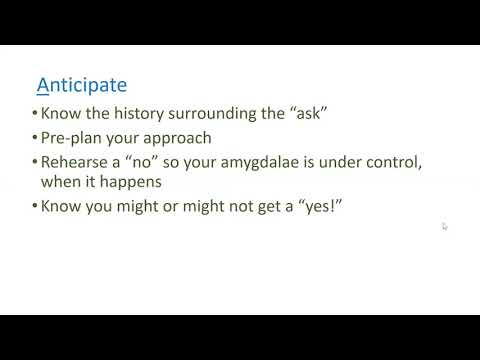 Care Partner Tips: What to Do About a 'NO!'Teaches how to respond when your loved one says 'no' to your suggestions, key when you need to redirect from hoarding or layering.
Background
Why They Hoard or Wear Layers: It’s Communication, Not Misbehavior
When a person with dementia hoards items, like stuffing newspapers into drawers or collecting empty containers, or insists on wearing three sweaters in summer, they are not being stubborn or illogical. These actions are their way of communicating an unmet need. The behavior is a form of expression: they may feel insecure, anxious, or bored, and the objects or clothing give them a sense of safety and control. As one expert explains, 'behaviors are a form of communication... we’re the ones with the healthy brain that’s got to sometimes be able to figure it out, decode it' (James L. West Center for Dementia Care). Their brain is coping the best it can with what remains, and focusing on what they can still do, rather than what they can’t, helps us respond with compassion rather than frustration.
The Hidden Purpose: Control, Comfort, and Identity
For someone losing their grip on memory and routine, hoarding or wearing layers can be a way to hold onto a sense of identity. A collection of items, even if it looks like clutter, may represent a cherished hobby, a memory of a loved one, or a feeling of being prepared. Similarly, wearing multiple layers might be a response to feeling cold due to changes in circulation, or it could be a way to feel 'wrapped up' and secure. The key is to ask yourself: 'Is this behavior harmful, or is it just unusual?' If it’s not dangerous, allowing it can prevent a power struggle that drains everyone’s energy. As one caregiver expert notes, 'in the scheme of things, it doesn’t matter that they’ve moved things around' (Dementia With Grace). Your job is to be a detective, not a disciplinarian.
When Saying Yes Becomes a Therapeutic Tool
Saying 'yes' to harmless behaviors is actually a powerful redirection technique. Instead of directly saying 'no' (which often triggers agitation), you can say 'yes, and we’ll do that in a moment' or 'yes, let’s put that here for now.' This interrupts the behavioral loop without confrontation. As one dementia educator explains, 'you are not saying no, you’re saying wait... you’re interrupting that behavioral loop... nine times out of ten you’re gonna get them on to doing something else and they will forget that they were headed' (Dementia With Grace). This approach preserves their dignity and your relationship, while still allowing you to guide them toward safer or more appropriate activities.
Practical tools
6
The 'Yes, and' Phrase Bank
Keep these phrases handy: 'Yes, we can keep that. Let’s put it in this special box.' 'Yes, you can wear that. Would you like a sweater over it too?' 'Yes, I see you’re collecting these. Let’s sort them together.' These validate without confrontation.
The Safety Checklist for Hoarding
Before you allow hoarding, run this quick check:
If any answer is yes, remove the hazard while offering a replacement (e.g., a safe empty box).
The 'Layer Check' Routine
If your loved one insists on wearing many layers, check their temperature by feeling their neck or back. If they are sweating, offer a cool drink and a lighter alternative: 'This cotton shirt is so soft, want to try it?' If they are cold, add a safe layer like a fleece vest.
The 'Yes Space' Setup
Designate a drawer, basket, or shelf as their 'collection zone.' Label it with their name or a fun sign like 'Grandma’s Treasures.' This gives them a safe place to keep items without cluttering the whole house. Check it weekly for safety.
The Distraction Menu
Have a list of go-to activities that engage their hands and mind: folding towels, sorting socks, looking at a magazine, or doing a simple puzzle. When they start hoarding or layering excessively, gently guide them to one of these activities.
The 'Do, Delay, Delete' Framework
When you need to address a behavior: Do it together (e.g., 'Let’s put these papers in this box together'), Delay the decision (e.g., 'We’ll decide about these tomorrow'), or Delete the item when they aren’t looking (only for safety hazards). This reduces resistance.
Different situations
Early-stage dementia (still verbal and aware)
You can have more direct conversations. Say: 'I notice you’ve been keeping a lot of things. Is there something special about them?' Use narrative therapy: ask about the story behind an item. This can improve mood and help them willingly let go of some things (AlzOrangeCounty).
Moderate-stage dementia (less verbal, more confused)
Focus on safety and redirection. Avoid reasoning or long explanations. Use simple, positive statements: 'Let’s put this here for now.' If they resist, drop it and try again later. Your calm presence matters more than the item.
Lewy body dementia (sensitivity to temperature, hallucinations)
Layering may be a response to feeling cold due to autonomic nervous system changes. Check room temperature and offer a warm drink. Hoarding may be linked to visual hallucinations (e.g., they think items are alive or need protection). Validate their reality: 'I see you’re taking care of these. Let’s put them in a safe spot.'
In a memory care facility
Work with staff to create a 'yes' policy for harmless behaviors. Ask them to allow layering unless it causes overheating or falls. For hoarding, provide a personal drawer or bin. If staff need to remove items for safety, ask them to do it when the resident is at an activity, and replace with similar safe items.
Spouse vs. adult child caregiver
Spouses may feel more emotionally attached to the behavior (e.g., 'He never used to do this'). Remind yourself: this is the disease, not a personal change. Adult children may feel responsible for the home’s appearance. Prioritize your loved one’s comfort over a tidy house. Both roles benefit from setting boundaries: 'I can allow this in the living room, but not in the kitchen for safety.'
For the doctor
4
- If hoarding includes medications (old prescriptions, mixing pills), discuss safe disposal with the doctor or pharmacist.
- If layering leads to skin breakdown, rashes, or overheating, ask the doctor about temperature regulation and appropriate clothing materials.
- If hoarding becomes severe (blocking exits, attracting pests, causing falls), discuss whether a home safety assessment or adult protective services referral is needed.
- If the behavior is linked to hallucinations or delusions (e.g., they believe items are being stolen), ask the doctor about medication adjustments or non-pharmacological approaches.