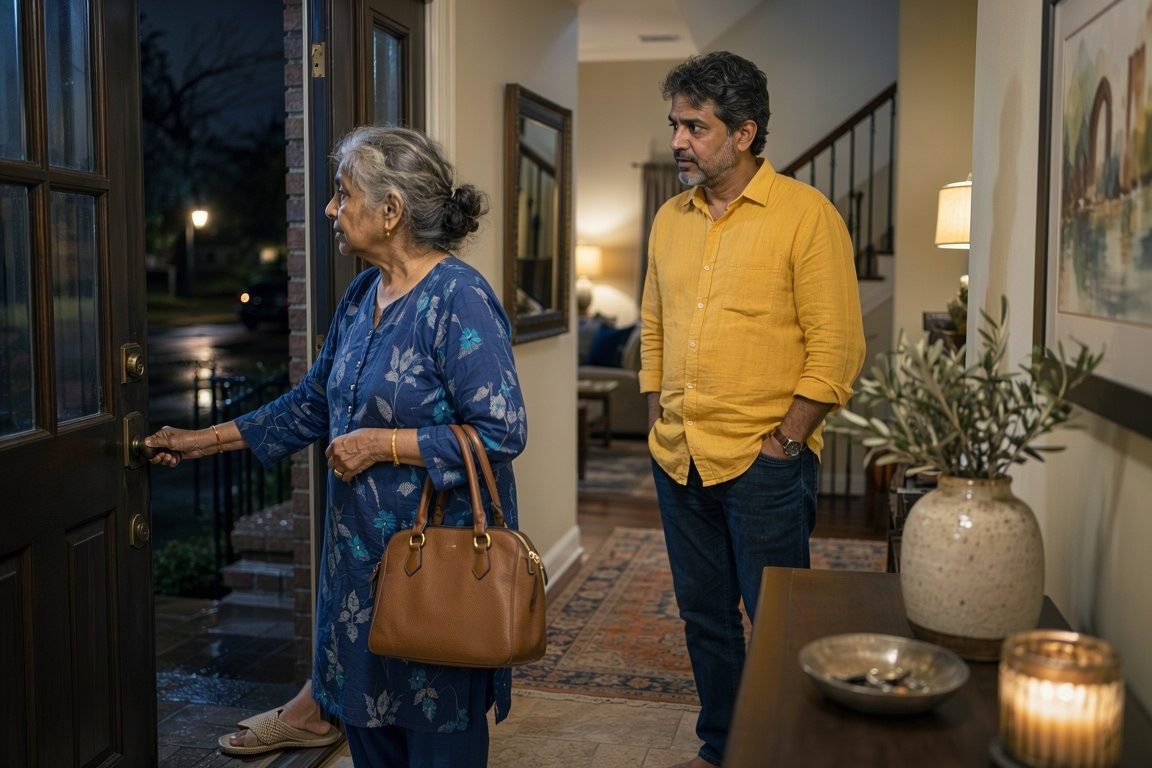
Step by step
What not to do
- Do not argue or try to reason with them about the danger. Saying ‘You can’t go out, it’s dark and cold’ or ‘You already ate dinner’ will only make them more frustrated. They cannot process that logic.Instead, validate their feeling and redirect. Arguing increases agitation for both of you.
- Do not use a harsh tone or yell. Even if you are scared for their safety, raising your voice will make them feel attacked. They will respond with more fear and resistance. As one source notes, if they think they are being yelled at, they may have a meltdown. Use a soft, slow voice instead.
- Do not physically block them or grab them without warning. If you suddenly take their arm or stand in front of them, they may perceive it as a threat and react with aggression.Instead, approach from the side, offer your hand gently, and say, ‘Let’s walk together.’
- Do not try to ‘trick’ them in a way that feels deceitful. For example, hiding their shoes so they can’t go out might work once, but it can erode trust. The goal is to partner with them, not to outsmart them. As AlzOrangeCounty advises, always announce what you are doing, ‘This is your medication’, even if you mix it in ice cream. Transparency maintains dignity.
- Do not take the unsafe behavior personally. It is not about you. They are not trying to make your life harder. The disease is causing this. Repeating this to yourself in the moment can help you stay calm. As the Dementia Careblazers say, ‘We’re not stuck on our frustration and thinking that they’re doing this on purpose.’
- Do not ignore your own need for a break. If you are already exhausted, your frustration will be much harder to control. Make sure you have a plan for respite, even 15 minutes of quiet time, so that you can approach each situation with a fuller emotional tank.
Key points
- Frustration drops when you stop seeing the behavior as intentional and start seeing it as a symptom of the disease.
- Always validate the emotion first: ‘You seem worried’ is more effective than ‘You can’t do that.’
- Join their reality instead of correcting it, this reduces agitation and builds trust.
- Use a ‘Safety Distraction Kit’ to redirect without confrontation.
- Track behaviors to find patterns and prevent unsafe situations before they start.
- Take care of your own emotional needs: a calm caregiver is the best safety tool.
Videos
 How to not argue with someone with dementiaThis video directly addresses the frustration of trying to reason with someone who cannot be reasoned with. It gives practical alternatives to arguing, which is a core skill when they are doing something unsafe.
 What causes aggression in dementia? [5 reasons]Understanding the root causes of aggression, like pain, fear, or overstimulation, helps you take their perspective and respond with empathy instead of frustration.
 How to Talk to a Parent With DementiaThis video offers specific communication techniques that reduce frustration for both you and your loved one, especially when they are confused or resistant.
 MAXIMIZE YOUR CAREGIVING EXPERIENCE: Caring for Elderly Parents - StressThis video provides a broader perspective on managing caregiver stress, which is essential for maintaining the calm you need to take their perspective in unsafe moments.
2 more videos
 Uniting for Better Dementia Care = Seni + Dementia LiveThis immersive experience helps you understand what the world feels like to someone with dementia, making it easier to step into their shoes when they act unsafely.
 Top 11 Things to Know about Alzheimer’s Disease PsychosisIf your loved one’s unsafe behavior is driven by paranoia or hallucinations, this video explains how to respond without frustration or fear.
Background
Why Frustration Rises When Safety Is at Stake
When your loved one does something unsafe, like trying to leave the house alone, turning on the stove, or hiding a sharp object, your brain immediately goes into protective mode. That’s a good thing: you want to keep them safe. But the problem is that your protective instinct often gets tangled up with frustration, especially if you’ve already told them not to do it, or if you’ve cleaned up the same mess twice. You might think, ‘They’re doing this on purpose,’ or ‘They don’t care about my help.’ That thought pattern is what makes your frustration spike. According to the Dementia Careblazers, when you believe your loved one is deliberately making your life harder, you feel more frustrated, and that frustration only makes them more agitated in return. The key is to recognize that the unsafe behavior is not a choice; it’s a symptom of the disease. Their brain is no longer able to process danger the way yours does. They might not remember that the stove is hot, or they might feel an urgent need to ‘go home’ even though they are already home. Understanding this shifts the blame from the person to the disease, and that shift is the first step toward lowering your own frustration.
What It Feels Like From Their Side
Imagine waking up in a place you don’t recognize, with people you don’t remember, and a feeling that something is terribly wrong. Your brain tells you that you need to find your mother, or that you left the baby in the car, or that someone has stolen your wallet. That feeling is real to them, it’s not a delusion, it’s their reality. When you then block their path, take their hand, or say ‘No, you can’t go out,’ they don’t see a loving caregiver; they see an obstacle or even a threat. Their frustration or aggression is not aimed at you personally; it’s a reaction to the fear and confusion they are experiencing. As one source from All Home Care Matters explains, when a person with dementia feels unsafe or upset, their symptoms can actually worsen, they may feel attacked or respond with a meltdown if they think they’re being yelled at. So when you react with frustration, you are adding to their fear, which makes the unsafe behavior more likely to happen again. The goal is to become a calming presence, not another source of stress.
The Real Cost of Frustration: It Hurts Your Relationship
It’s easy to think that a moment of frustration is just a moment, you’ll get over it, and they won’t remember anyway. But research and experience show that people with dementia do remember the emotions they feel around you, even if they forget the specific event. The Dementia Careblazers emphasize that if the primary emotion your loved one feels when you’re around is negative, they will start to resist all your efforts for care more and more. That resistance shows up as agitation, refusal to bathe, or even physical aggression. So your frustration doesn’t just make the current unsafe situation harder, it makes future caregiving harder too. By taking their perspective and responding with calm understanding, you protect the relationship. You also protect yourself from the guilt that often follows a frustrated outburst. The goal is not to be perfect; it’s to practice a new way of seeing the situation so that you can respond from a place of partnership rather than opposition.
Practical tools
6
The ‘Join Their Reality’ Script
Keep this short script in your mind or on your phone: 1) ‘You seem worried about something.’ 2) ‘Tell me about it.’ 3) ‘I can help with that.’ 4) ‘Let’s do this together.’ This script works for almost any unsafe behavior, wandering, trying to use the stove, hiding objects. It acknowledges their feeling, invites them to share, offers partnership, and redirects to a safe activity. Practice it out loud a few times so it feels natural.
The ‘Safety Distraction Kit’
Prepare a small basket or bag with items that can quickly redirect their attention. Include:
When you see an unsafe behavior starting, pull out the kit and say, ‘Oh, I was just looking at this, can you help me with it?’ This gives you a concrete tool to redirect without confrontation.
The ‘Evening Wander’ Checklist
If your loved one tends to wander at night or try to leave the house, use this checklist to prevent it:
As Dementia With Grace suggests, these environmental changes can significantly reduce stress for both of you.
The ‘Emotion Labeling’ Phrase List
When you feel frustration rising, say one of these phrases out loud to yourself or to them: ‘I see you’re feeling scared.’ ‘This is really confusing, isn’t it?’ ‘You’re trying to take care of something.’ ‘I’m here with you.’ ‘We’ll figure this out together.’ These phrases help you stay in a compassionate mindset and signal safety to your loved one.
The ‘One-Minute Gratitude Reset’
After a difficult moment, take 60 seconds to think of one small positive thing that happened today. Maybe they smiled at you, or you got them to eat a good breakfast, or you managed to stay calm for a few minutes. As Dementia With Grace notes, practicing gratitude daily makes you more resilient to the hard patches. This tool is not about ignoring the problem; it’s about giving your brain a break from frustration so you can keep going.
The ‘Behavior Tracking Log’ Template
Create a simple log with columns: Date, Time, What Happened (unsafe behavior), What Might Have Triggered It (hunger, fatigue, noise, time of day), What I Did, What Worked. Fill it out for a week. You will likely see patterns, for example, they always try to leave at 4 PM, which is when they used to pick up kids from school. Once you see the pattern, you can proactively offer a snack or a walk at 3:30 PM to prevent the unsafe urge. This is a tool used in memory care, as noted by AlzOrangeCounty.
Different situations
If the person has Lewy body dementia
People with Lewy body dementia often experience visual hallucinations and extreme sensitivity to medications. When they do something unsafe, like trying to ‘rescue’ a person they see in the corner, do not argue about the hallucination. Instead, say, ‘I see you’re concerned about that person. Let’s check on them together.’ Then gently guide them away. Also, be aware that their frustration can escalate very quickly into physical aggression. Use a very slow, calm approach and avoid sudden movements. Discuss any medication changes with their clinician, as some medications can worsen hallucinations.
If the person is in late-stage Alzheimer’s
In late stages, the person may not be able to speak or understand complex sentences. Unsafe behaviors might include trying to get out of bed or pulling at tubes. Focus entirely on non-verbal cues: your tone of voice, your facial expression, and your touch. Use a soft, rhythmic voice and gentle, slow movements. Instead of redirecting with words, use physical redirection, gently take their hand and guide it to a soft object, or offer a warm blanket. The goal is comfort, not correction. Also, ensure the environment is as safe as possible: lower the bed, remove sharp objects, and use bed alarms if needed.
If you are an adult child caregiver (vs. a spouse)
Adult children often struggle with role reversal, it feels unnatural to tell your parent what to do. This can increase your frustration because you may feel like you are ‘bossing them around.’ Remind yourself that you are not their parent; you are their care partner. Use phrases like, ‘Mom, I’m worried about you. Let’s figure this out together.’ Also, give yourself permission to feel the grief of losing the parent you once knew. That grief can masquerade as frustration. Join a support group for adult child caregivers to process these feelings.
If the person is in a facility or has a paid caregiver
When you are not the primary caregiver, you may feel frustrated that the staff ‘let’ something unsafe happen. Instead of confronting them angrily, use the behavior tracking log to share patterns with the team. Say, ‘I noticed Mom tries to leave around 4 PM. Could we try offering a snack at 3:30?’ This collaborative approach reduces your frustration and improves care. Also, if you are visiting and see an unsafe behavior, follow the same steps, pause, validate, redirect, but also inform the staff so they can adjust the care plan.
If the person has frontotemporal dementia (FTD)
FTD often affects judgment and impulse control early on. The person may do things that are socially inappropriate or physically risky without any apparent emotion. Do not take this personally; their brain is no longer able to weigh consequences. Use very simple, direct redirection: ‘Let’s go this way,’ or ‘Time to sit down.’ Avoid lengthy explanations. Also, be extra vigilant about environmental safety, lock up tools, car keys, and anything that could be used unsafely. Because they may not show fear or frustration themselves, you may need to rely more on environmental controls than on verbal redirection.
For the doctor
4
- If the unsafe behavior involves trying to leave the house repeatedly or wandering, ask the doctor about a referral to a memory care specialist or an occupational therapist for a home safety assessment.
- If the person becomes physically aggressive when you try to redirect them, discuss with the clinician whether there might be an underlying medical cause, such as a urinary tract infection, pain, or medication side effect, that is making the behavior worse.
- If you are considering using door alarms, bed alarms, or GPS tracking devices, ask the doctor or a social worker about the best options for your loved one’s stage and safety needs.
- If you feel that your own frustration is leading to thoughts of harming yourself or the person, seek immediate help from a crisis line or your doctor. Caregiver burnout is serious and treatable.