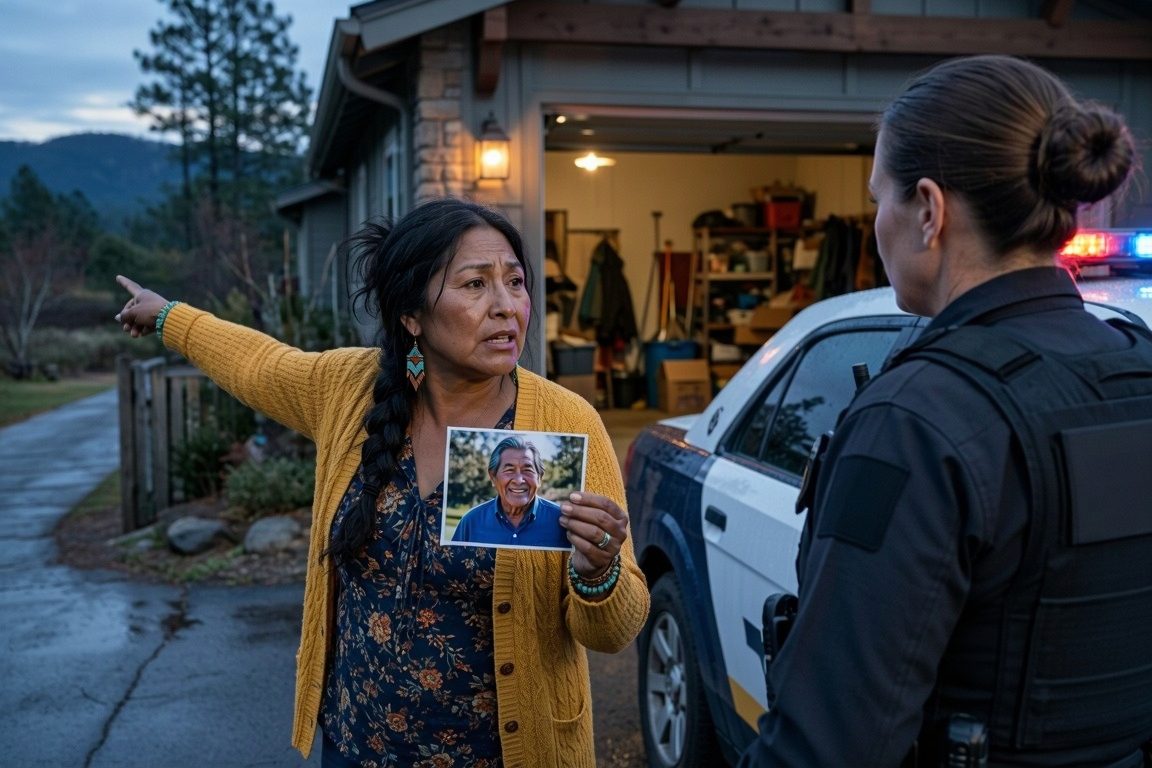
Step by step
What not to do
- Do not panic and start driving around randomly. This wastes precious time and energy.Instead, follow the structured search pattern: house, yard, neighborhood, then call 911. A systematic approach is faster.
- Do not assume they have wandered far. Many people with dementia are found very close to home, sometimes just a few houses away. Do not waste time searching miles away when they could be in the neighbor's backyard.
- Do not call 911 and say 'my loved one is missing' without immediately saying they have dementia. Without that context, law enforcement may treat it as a routine missing person case. You must lead with the dementia diagnosis so they understand the urgency and the need for a different search protocol.
- Do not wait to call 911. Some caregivers hesitate, thinking 'they will come back on their own.' This is dangerous. Time is critical. If you have searched the house and immediate property and they are not there, call 911 within 15 minutes. Do not wait an hour.
- Do not scold or punish your loved one when they are found. They did not wander to upset you; they were responding to an internal need they could not control. Scolding will only increase their confusion and fear, and may make them more likely to wander again to escape that feeling.Instead, offer comfort and reassurance.
- Do not assume that because you have a plan, you do not need to practice it. A plan is only useful if you and your family know it cold. Practice the steps once a month. Time yourself. Make sure everyone knows where the emergency contact list and photo are kept.
Key points
- Time is critical: most people who wander are found within a mile of home, and the first 15 minutes are the most important for a safe return.
- Always lead with the dementia diagnosis when calling 911; it changes how law enforcement will search for your loved one.
- Prepare an emergency go-bag with a recent photo, medical info, and emergency contacts, and keep it near the front door.
- Enroll in MedicAlert Safe Return or Operation Keep Safe for a national 24/7 identification and response system.
- Do not scold or punish your loved one when they are found; offer comfort and reassurance instead.
- Practice your plan monthly with all family members and caregivers so everyone knows their role in an emergency.
Videos
 KNOW WHAT TO DO if your loved one wanders away: Make a dementia wandering safety planThis video walks you through creating a wandering safety plan step by step, including what to tell neighbors and how to prepare information for law enforcement.
 How Do You Keep Someone With Dementia Safe From Wandering? - Dementia Help HubThis video covers environmental modifications like door alarms and GPS trackers, and emphasizes the importance of addressing emotional needs to reduce wandering triggers.
 Alzheimer's and Wandering - Professional Caregiver WebinarA professional webinar that provides in-depth strategies for both prevention and response, including how to search effectively and when to call 911.
 What Do You Do When A Dementia Patient Starts Wandering?This video offers practical, real-world advice for the moment you discover your loved one is missing, including how to stay calm and what to say to first responders.
2 more videos
 Dementia Wandering: Prevention + What to Do If They Go Missing | Dr. Khushboo VermaDr. Verma explains the medical reasons behind wandering and provides a clear, step-by-step response plan for when a person with dementia goes missing.
 Why Do Dementia Patients Keep Saying They Want To Go Home?Understanding the emotional and psychological drivers behind the urge to 'go home' can help you prevent wandering by addressing the underlying need.
Practical tools
6
The Emergency Go-Bag
Prepare a small bag or folder that lives near the front door. Inside, keep:
Also include a copy of their MedicAlert Safe Return or Operation Keep Safe ID card if enrolled. When you call 911, you can grab this bag and hand it to the first responder.
The 15-Minute Search Script
Print this and keep it with your emergency bag. It reads: 'Step 1: Search the entire house (closets, under beds, basement, attic, garage). Step 2: Search the yard and property (shed, garden, behind bushes, fence gates). Step 3: Walk the immediate block (one-mile radius, ask neighbors). Step 4: If not found after 15 minutes, call 911 and say: “I have a missing person with dementia. They have Alzheimer’s. They are wearing [clothing]. They may not know their name or address.” Step 5: Call emergency contacts. Step 6: Stay at home to meet law enforcement.'
MedicAlert Safe Return or Operation Keep Safe
These are national programs that provide identification jewelry (bracelet, necklace, or shoe tag) with a 24/7 emergency response line. If your loved one is found, anyone can call the number on the jewelry, and the program will contact you and local authorities. Enrollment also includes a photo and medical information that is shared with law enforcement nationwide. This is one of the most effective tools for a quick, safe return. Contact the Alzheimer's Association (for MedicAlert) or the Dementia Society of America (for Operation Keep Safe) to enroll.
GPS Tracking Devices
Consider a GPS tracker that can be worn as a watch, clipped to a belt, or placed in a shoe. Some are designed specifically for dementia patients and have a long battery life. Discuss with your clinician which type is appropriate. Test the device regularly to ensure it is charged and working. Some devices also have a 'geo-fence' feature that alerts you if your loved one leaves a designated safe area. This is not a substitute for a door alarm, but it can be a powerful backup if they do get out.
Door and Window Alarms
Simple, battery-operated alarms that attach to doors and windows can alert you the moment a door is opened. Place them on all exterior doors, especially the front door, back door, and any door leading to the garage. Some models have a chime that sounds when the door is opened, while others have a loud alarm. You can also use pressure-sensitive mats placed in front of doors that trigger an alarm when stepped on. These are inexpensive and easy to install.
The 'Wandering Log'
Keep a simple notebook near the door. Each time your loved one attempts to leave or you find them wandering, write down: the date, time, what they were doing or saying, what triggered it (e.g., a door left unlocked, a certain time of day, a change in routine), and what you did to redirect them. Over time, this log will reveal patterns. For example, you may notice they always try to leave around 3 PM, which is when they used to pick up their child from school. You can then plan a calming activity for that time.
Different situations
Early Stage (Mild Cognitive Impairment or early Alzheimer's)
In early stages, your loved one may still be aware of their diagnosis and can participate in the safety plan. Have a calm conversation with them about wandering. Say something like: 'Sometimes people with memory changes can get confused and walk away without meaning to. I want us to make a plan together so you stay safe. Would you be willing to wear this bracelet that has our phone number on it? It's just in case you ever get turned around.' They may be more willing to wear ID jewelry if they understand its purpose. Also, consider a daily check-in system: agree on a set time each day to call or text each other. If they miss the check-in, you know to start searching.
Middle Stage (Moderate Alzheimer's or vascular dementia)
At this stage, wandering is more common and the person may not be able to participate in planning. Your focus shifts to environmental safety and rapid response. Door alarms and GPS trackers become essential. You should also consider enrolling in MedicAlert Safe Return immediately. The person may resist wearing a bracelet; if so, try a shoe tag or a tracker sewn into a jacket. Also, inform your neighbors and local police precinct that you are caring for someone with dementia. Give them a photo and your contact information. Ask them to call you if they see your loved one walking alone.
Late Stage (Severe Alzheimer's or advanced dementia)
In late stages, the person may be less mobile, but wandering can still occur, especially if they are in a wheelchair or can crawl. Your plan should include checking low places, like under furniture or behind curtains. They may also be more prone to elopement from a care facility if they are in one. If your loved one is in a facility, work with the staff to ensure they have a wandering prevention plan in place, including door alarms and a secure outdoor area. Also, ensure the facility has your emergency contact information and a recent photo. If they are at home, consider a bed alarm that alerts you if they get up at night.
Lewy Body Dementia or Frontotemporal Dementia
People with Lewy body dementia may experience visual hallucinations or fluctuations in alertness, which can trigger sudden wandering. They may also have Parkinson-like symptoms that affect their gait, making falls more likely. Your plan should include fall prevention measures, such as removing tripping hazards and ensuring good lighting. For frontotemporal dementia, wandering may be more impulsive and driven by disinhibition. They may try to leave without any apparent trigger. In both cases, door alarms and constant supervision are critical. Also, be aware that they may not respond to verbal redirection as easily; you may need to use a calm, firm tone and physically guide them back inside.
Spouse vs. Adult Child Caregiver
If you are a spouse, you may be more likely to be with your loved one 24/7, which means you may notice a wandering attempt immediately. However, you may also be more emotionally distressed and prone to panic. Practice your plan with a friend or family member so you have support. If you are an adult child, you may be balancing caregiving with work and your own family. Your plan should include backup: identify a neighbor or sibling who can come over quickly if you need to search. Also, consider using a GPS tracker that you can monitor from your phone, so you can check their location even when you are not at home.
For the doctor
4
- Ask your doctor about the best type of GPS tracker for your loved one's stage and mobility. Some trackers require a cellular plan; others use Bluetooth. Your clinician can help you choose one that is safe and appropriate.
- If your loved one is on medications that may cause drowsiness or confusion, ask your doctor if there are alternatives that might reduce the risk of wandering. Never change or stop medications without medical guidance.
- Discuss with your clinician whether a medical ID bracelet that lists their diagnosis and emergency contact is appropriate. Some people with dementia may remove it; your doctor may have suggestions for alternatives.
- If your loved one has a history of falls or seizures, ask your doctor about additional safety measures, such as a helmet or a fall detection device, that can be integrated into your wandering response plan.