
Step by step
What not to do
- Do not ignore your feelings and 'push through.' This leads to a buildup of unresolved pain and trauma that will eventually erupt.Instead, practice the daily check-in and name your fatigue.
- Do not isolate yourself. Many caregivers feel they have no one to talk to, but isolation worsens compassion fatigue.Instead, join a support group (online or in-person) or call one friend weekly just to talk about non-caregiving topics.
- Do not try to be the 'perfect caregiver.' The ad for the perfect caregiver, unlimited stamina, always patient, few needs of their own, is a myth.Instead, accept that you will have bad days and that your own needs matter.
- Do not neglect your own health appointments. Skipping your own doctor visits, dental care, or mental health support will only accelerate compassion fatigue.Instead, schedule your own checkups as non-negotiable.
- Do not keep re-exposing yourself to traumatic stories without processing them. If you find yourself watching endless videos about dementia or reading every article, take a break.Instead, set a limit: one resource per day, then do something unrelated.
- Do not make decisions when you are in a state of exhaustion or emotional overwhelm. Decision fatigue is real and paralyzing.Instead, use the 'Sabbath rest' principle: pause, pray, or sleep on it before making a care decision.
Key points
- Compassion fatigue is different from burnout, it comes from internalizing the pain of others, not from a toxic work environment.
- Recovery starts with naming the specific fatigue you feel (guilt, discouragement, etc.) and taking one small action for that feeling.
- Daily check-ins and boundary-setting are non-negotiable practices for rebuilding your capacity to care.
- Isolation worsens compassion fatigue; connect with others through support groups or one trusted friend.
- A weekly 'Sabbath rest' or intentional pause is a proven remedy for decision fatigue and emotional depletion.
- Small, consistent practices like 'beauty medicine' and ritual release can shift your nervous system toward rest and recovery.
Videos
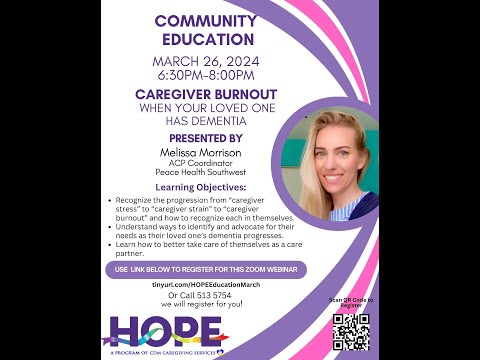 Caregiver Burnout when your Loved One has DementiaThis video helps distinguish burnout from compassion fatigue and offers practical coping strategies specific to dementia caregiving.
 Dementia Caregiver Compassion Fatigue and ways to copeProvides a clear explanation of compassion fatigue in dementia care and actionable steps to recover, including the importance of self-compassion.
 How to Manage Compassion Fatigue in Caregiving | Patricia Smith | TEDxSanJuanIslandA powerful talk that explains the origins of compassion fatigue and offers a roadmap to wellness, including boundary-setting and trauma release.
 The Dance of Caregiving: Acknowledging I am not Invisible with Dr. Edward Smink (Part 1 of 3)Explores the spiritual and emotional dimensions of caregiving, including how to recognize and address compassion fatigue as a caregiver.
2 more videos
 Experiencing Caregiving as Spiritual Practice with Dr. Edward Smink (Mini-Series Part 3 of 3)Offers a perspective on caregiving as a spiritual practice, which can help reframe compassion fatigue as a call to deeper self-care and reflection.
 231. What Is The Burden Of Dementia Caregiving Really? Decision FatigueAddresses decision fatigue, a key component of compassion fatigue, and provides biblical principles for rest and making faithful decisions.
Background
What Is Compassion Fatigue and Why Does It Happen?
Compassion fatigue is not just being tired. It is a profound physical and spiritual exhaustion that results from repeatedly absorbing the trauma, pain, and suffering of the person you care for. As one expert explains, it is 'the deep physical and spiritual exhaustion that can result from internalizing the pain and suffering of others.' Unlike burnout, which comes from feeling unsupported by an organization or system, compassion fatigue comes from the very act of caring deeply. You may find yourself feeling numb, irritable, anxious, or depressed, and you might even lose the ability to feel for yourself. This happens because your nervous system is constantly in a state of high alert, absorbing the emotional weight of your loved one's experience. Over time, this depletes your ability to cope, and it can compromise the quality of care you provide and affect your relationships with other family members.
The Difference Between Compassion Fatigue and Burnout
It is crucial to distinguish compassion fatigue from burnout because the remedies are different. Burnout is about working in an environment that does not accept your human qualities, you feel like Sisyphus, pushing a boulder uphill with no reward or support. Compassion fatigue, on the other hand, comes from the emotional cost of caring itself. As one caregiver described, it is 'exhaustion in doing the things I love and not listening to those interior promptings that tell you you need rest.' You might be tired of feeling guilty, tired of trying without seeing results, or tired of feeling discouraged and unsupported. Recognizing the specific flavor of your exhaustion, whether it is guilt, discouragement, or a sense of isolation, is the first step toward targeted recovery.
How Compassion Fatigue Shows Up in Dementia Caregiving
In dementia caregiving, compassion fatigue often manifests as a loss of empathy or a feeling of being 'over it.' You might find yourself snapping at your loved one, avoiding visits, or feeling resentful. You may also experience secondary trauma, also known as vicarious trauma, where you are repeatedly exposed to your loved one's traumatic experiences, such as their fear, confusion, or agitation. This can lead to anxiety, depression, and a sense of hopelessness. The key is to pay attention to your feelings and make it a point to stop and check in with yourself during the day. As one expert advises, 'Pay attention to your feelings. Make it a point to stop and check in with yourself during the day to see how you are feeling.' This self-awareness is the foundation of recovery.
Practical tools
6
The Daily Check-In Script
A simple script to use three times a day: 'Stop. Breathe. Ask: How am I feeling right now? What do I need? Rate energy 1-10, mood 1-10.' Write it on a sticky note and put it on your mirror, fridge, or phone lock screen.
The 'Specific Fatigue' Journal
A small notebook where you write one sentence each evening: 'Today I am tired of [specific feeling].' Then write one small action to address it. For example: 'Tired of feeling guilty. Action: I will remind myself that I am doing my best.'
The Boundary Script
Exact words to say when you need to set a boundary: 'I need to finish what I am doing right now. I will call you back in [specific time].' Or: 'I cannot do that today, but I can help tomorrow at [time].' Practice saying it out loud until it feels natural.
The 'Beauty Medicine' Reminder
Set a daily alarm on your phone labeled 'Beauty Break.' When it goes off, stop everything and look for something beautiful in your immediate environment. Take 30 seconds to really see it. This is a proven way to shift your nervous system toward rest.
The Ritual Release
Each evening, write one hard thing from the day on a small piece of paper. Then tear it up and throw it away, or burn it safely in a bowl. Say aloud: 'I release this. It is not mine to carry alone.'
The Help Request List
Keep a running list of small, specific tasks that others could do for you. Next to each task, write the name of a person who might be able to help. When someone asks 'How can I help?', hand them the list and let them choose one.
Different situations
For family caregivers of someone with Lewy body dementia
Compassion fatigue may be compounded by the unpredictable nature of the disease, hallucinations, fluctuating cognition, and sleep disturbances. Prioritize your own sleep hygiene and use the 'beauty medicine' practice to ground yourself when you feel overwhelmed by the chaos. Also, consider joining a Lewy body-specific support group where others understand the unique challenges.
For adult children caring for a parent
You may experience additional guilt about role reversal and unresolved past issues. Use the 'specific fatigue' journal to name any guilt or resentment. Consider family therapy to address these dynamics. Also, set boundaries with siblings about who does what, do not let one person carry the entire load.
For spouses caring for a partner with dementia
The loss of the marital relationship can deepen compassion fatigue. You may feel you have lost your best friend and confidant. Prioritize maintaining one outside relationship (friend, sibling, or support group) that is not about caregiving. Also, schedule regular respite so you can have time to yourself without guilt.
For caregivers whose loved one is in a facility
Compassion fatigue can still occur from visiting, advocating, and worrying. Use the boundary script to limit visits to a set schedule (e.g., three times a week). Do not feel obligated to be there every day. Also, practice the ritual release after each visit to let go of the emotional weight.
For caregivers with limited financial resources
You may not be able to hire help, but you can still use free tools: the daily check-in, the 'beauty medicine' practice, and the ritual release cost nothing. Also, look into local faith-based or nonprofit respite programs. Ask at your place of worship if they have a caregiving support ministry.
For the doctor
4
- If you experience symptoms of depression (persistent sadness, loss of interest, changes in sleep or appetite) or anxiety (constant worry, panic attacks) for more than two weeks, discuss with your doctor. These may require professional treatment beyond self-care.
- If you have thoughts of harming yourself or your loved one, seek immediate help. Call 988 (Suicide & Crisis Lifeline) or go to your nearest emergency room.
- If you find that setting boundaries or using the tools in this guide does not improve your sense of exhaustion after 4-6 weeks, discuss with a therapist who specializes in caregiver issues or compassion fatigue.
- If you are on any medications for anxiety, depression, or sleep, do not change your dose without consulting your prescriber. Some medications can interact with the stress response.