
Step by step
What not to do
- Do not ignore the early signs of burnout, such as irritability, emotional numbness, or chronic fatigue. Many caregivers dismiss these as normal, but they are red flags.Instead, take them seriously and use them as a signal to implement recovery strategies immediately.
- Do not try to do everything alone. Refusing help because you feel you should manage everything is a common mistake that accelerates burnout.Instead, make a list of specific ways others can help, such as picking up groceries or sitting with your loved one for an hour, and ask directly.
- Do not neglect your own medical appointments. Skipping checkups or ignoring your own health problems only worsens burnout.Instead, schedule a visit with your doctor and be honest about your caregiving responsibilities and symptoms.
- Do not use alcohol, drugs, or prescription medicines to cope with stress. This can lead to addiction and worsen your health.Instead, seek healthier coping strategies like exercise, meditation, or talking to a therapist.
- Do not expect perfection from yourself or the person you care for. Dementia is a neurological condition, and difficult moments will happen despite your best efforts.Instead, aim for 'good enough' care and forgive yourself for the days that do not go as planned.
- Do not isolate yourself emotionally. Even if you are surrounded by people, feeling emotionally alone accelerates burnout.Instead, join a support group or confide in a trusted friend who understands your situation.
Key points
- Burnout is a normal response to overwhelming caregiving demands, not a personal failure.
- Sleep is a non-negotiable foundation for recovery; prioritize rest even in short naps.
- Respite care is essential for your health; ask for help with specific tasks and use adult daycare or in-home aides.
- Release perfectionism; dementia is neurological and difficult moments are inevitable despite your best efforts.
- Rebuild your support network through support groups, friends, and family to reduce emotional isolation.
- Professional help from a therapist can provide tools to reframe negative thoughts and set healthy boundaries.
Videos
 How Do Healthcare Providers Address Caregiver Burnout in Dementia Care? | TestExplains how healthcare providers support caregivers through education, support groups, and practical strategies to combat burnout.
 How Do I Find a Therapist for Caregiver Burnout?Guides you on finding a therapist trained in caregiver issues, including cognitive behavioral therapy and mindfulness techniques.
 Quick Tips: Tools to Prevent Caregiver BurnoutOffers quick, actionable tools to prevent burnout, including tips on asking for help and using respite care.
 Managing Caregiver Stress & BurnoutCovers strategies to manage stress and burnout, including the importance of diet, exercise, and sleep.
2 more videos
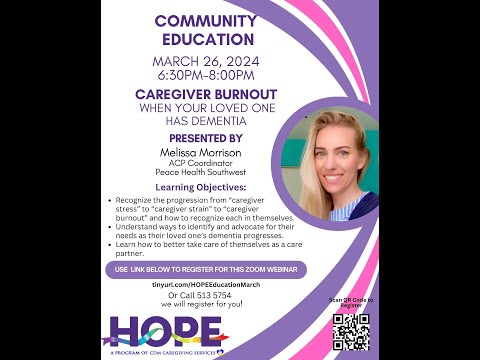 Caregiver Burnout when your Loved One has DementiaAddresses the unique challenges of dementia caregiving and provides recovery strategies tailored to this context.
 Dementia Caregivers! 3 Signs You're Burning OutHelps you recognize early signs of burnout, such as irritability and emotional numbness, and what to do about them.
Background
What Is Caregiver Burnout and Why Does It Happen?
Caregiver burnout is more than ordinary stress. It is a state of profound exhaustion that affects your physical health, your emotional resilience, and your ability to feel connected to the person you care for. It often creeps up slowly: you may start snapping more easily, feeling emotionally numb, or going through the motions of caregiving without the same patience or sense of connection you once had. Many caregivers assume something is wrong with them personally, but burnout is a predictable response to the relentless demands of caregiving, especially when you are providing 24/7 care without adequate breaks or support.
Why Burnout Is Common in Dementia Care
Dementia care presents unique challenges that accelerate burnout. The cognitive decline, behavioral changes, and repetitive questioning can be deeply draining. Unlike other caregiving situations, you cannot simply 'fix' the problems or expect the person to understand your efforts. This can lead to frustration and a sense of helplessness. Additionally, nearly 85 percent of family caregivers do not receive any respite care, and many avoid seeking help due to cost or not knowing whom to turn to. This isolation, combined with the high emotional stakes, makes burnout almost inevitable for many caregivers.
The Physical and Emotional Toll of Burnout
Burnout does not just affect your mood; it has real physical consequences. You may experience sleep difficulties, lowered immunity (catching every cold or virus), chronic headaches or other pains, and worsening of your own health conditions. Emotionally, you might feel depressed, anxious, or even guilty for feeling resentful. Some caregivers turn to alcohol, prescription medicines, or other substances to cope. These signs are not weaknesses; they are signals that your body and mind are overwhelmed and need immediate attention. Recognizing these early signs is the first step toward recovery.
Practical tools
6
The 'Ask for Help' Script
Use this exact phrase when asking for respite: 'I need a break for my health. Could you sit with [loved one's name] for two hours on Saturday so I can rest? I would be so grateful.' Be specific about the time and task. People often want to help but do not know what to offer.
Respite Care Options Checklist
Create a short list of respite options: (1) Family or friends who can sit with your loved one. (2) Adult daycare centers (check for sliding scale fees). (3) In-home health aides (ask about Medicaid or local nonprofit programs). (4) Faith-based volunteer respite services. Keep this list handy so you can act quickly when you feel burnout approaching.
Sleep Recovery Plan
If you cannot get a full night's sleep, schedule two 15-minute power naps during the day. Set a timer and rest in a quiet, dark room. Use a sleep mask or earplugs if needed. Also, talk to your doctor about sleep hygiene strategies if racing thoughts keep you awake.
The 'Good Enough' Care Mantra
Write this phrase on a sticky note and place it where you will see it daily: 'I am doing my best with a difficult situation. It is okay if everything is not perfect.' Repeat it to yourself when you feel overwhelmed by impossible standards.
Support Group Finder Tool
Use the Alzheimer's Association Community Resource Finder (communityresourcefinder.org) or ALZConnected (alzconnected.org) to find local or online caregiver support groups. These groups provide emotional connection and practical advice from people who truly understand.
Meal Prep or Laundry Service
Consider using a meal prep service that delivers pre-portioned ingredients or fully prepared meals. Some services are cheaper than takeout and save you time and energy. Similarly, sending laundry out once a week can free up hours of your time. These small paid supports can dramatically reduce your daily burden.
Different situations
If you are caring for someone with Lewy body dementia
Burnout may be compounded by unpredictable fluctuations in cognition and hallucinations. Prioritize respite care that is flexible and can be arranged on short notice. Also, educate yourself about the specific symptoms of Lewy body dementia so you can anticipate challenges and reduce frustration.
If you are in the late stages of dementia
Your loved one may require round-the-clock physical care, making respite even more critical. Consider hospice or palliative care services, which can provide additional support and give you permission to focus on your own health. Also, allow yourself to grieve the losses that come with this stage, and seek grief support if needed.
If you are a spouse caregiver
You may feel a deep sense of duty and loss of partnership. Release the expectation that you must be the sole caregiver. Ask adult children or other family members to take over specific tasks, such as managing medications or handling finances, so you can have time to rest and reconnect with your own identity.
If you are an adult child caregiver
You may be juggling caregiving with work and your own family. Burnout can be worsened by guilt about not doing enough. Set clear boundaries with your siblings about who does what. Use respite care to protect time for your own children and spouse, and consider taking a leave from work if possible.
If your loved one is in a facility
Burnout can still occur from the emotional toll of visiting, managing care, and feeling powerless. Focus on building a collaborative relationship with facility staff. Schedule regular visits but also give yourself permission to skip a day to rest. Join a support group for families of people in long-term care to share strategies and emotional support.
For the doctor
5
- Ask your doctor: 'Given my caregiving stress, what sleep aids or strategies are safe for me to use?'
- Ask your doctor: 'Should I be screened for depression or anxiety? I have been feeling numb and exhausted.'
- Ask your doctor: 'Are there any medications or supplements that could help me manage stress without side effects?'
- Ask your doctor: 'What vaccines or health screenings should I prioritize as a caregiver?'
- Ask your doctor: 'Can you refer me to a therapist who specializes in caregiver burnout or dementia care?'