Step by step
What not to do
- Do not ignore hypertension or skip prescribed blood pressure medication.
- Do not consume tobacco in any form (cigarettes, vaping, chew).
- Do not maintain a sedentary lifestyle or avoid aerobic exercise.
- Do not rely on unmanaged diabetes or high blood sugar levels.
- Do not follow a diet high in salt, sugar, or unhealthy fats.
Key points
- Vascular dementia is caused by reduced blood flow to the brain, often from high blood pressure, diabetes, smoking, or stroke.
- Prevention and slowing progression are possible by managing the same risk factors that protect your heart.
- The most important steps: control blood pressure, manage blood sugar, quit smoking, eat a heart-healthy diet, exercise regularly, and stay mentally and socially active.
- Even after a diagnosis, making these changes can slow decline and improve quality of life.
- Depression is common in vascular dementia and should be treated, talk to the doctor if you notice mood changes.
- You are not alone: work closely with a healthcare team and build a support network for yourself as a caregiver.
Videos
 Diagnosis and Management of Vascular Dementia | Stephen Chen, MD | UCLAMDChatThis video provides a thorough overview of how vascular dementia is diagnosed and managed, including the importance of controlling vascular risk factors and treating depression. It is a reliable, expert-led resource.
 Understanding Vascular DementiaThis video explains what vascular dementia is, how it differs from Alzheimer's, and why heart health is central to prevention. It is clear and accessible for both patients and caregivers.
 Vascular DementiaA concise explanation of vascular dementia, its causes (including stroke and mini-strokes), and the stepwise progression that often characterizes it. Helpful for understanding the disease pattern.
 Simple Tips To Lower Dementia RiskThis video offers practical, science-backed tips for reducing dementia risk, many of which overlap with vascular dementia prevention. It is encouraging and actionable.

Background
What Is Vascular Dementia and Why Does It Happen?
Vascular dementia is not caused by protein plaques like Alzheimer's disease. Instead, it happens when the brain doesn't get enough blood, oxygen, and nutrients because the blood vessels are damaged. This damage can come from a major stroke, a series of 'silent' mini-strokes (called transient ischemic attacks or TIAs), or from long-term conditions like high blood pressure, diabetes, and high cholesterol that slowly narrow and stiffen the arteries. Unlike Alzheimer's, which tends to decline gradually, vascular dementia often progresses in a stepwise fashion, a person may be stable for a while, then suddenly get worse after another stroke or vascular event. This pattern can be confusing and frightening, but it also means that preventing future damage is a powerful way to slow the disease.
The Heart-Brain Connection: Why Prevention Is Possible
Experts across multiple sources agree: what is good for your heart is good for your brain. The same factors that protect against heart attack and stroke, controlling blood pressure, managing blood sugar, eating a balanced diet, staying physically active, and not smoking, also protect against vascular dementia. This is because the brain's blood vessels are just as vulnerable as the heart's. By taking steps to keep your blood vessels healthy, you are directly reducing the risk of further damage to the brain. Even if your loved one has already been diagnosed, managing these risk factors can help slow the progression and improve quality of life. It is never too late to start, and even small improvements can have a meaningful impact.
Practical tools
4
Home blood pressure monitor
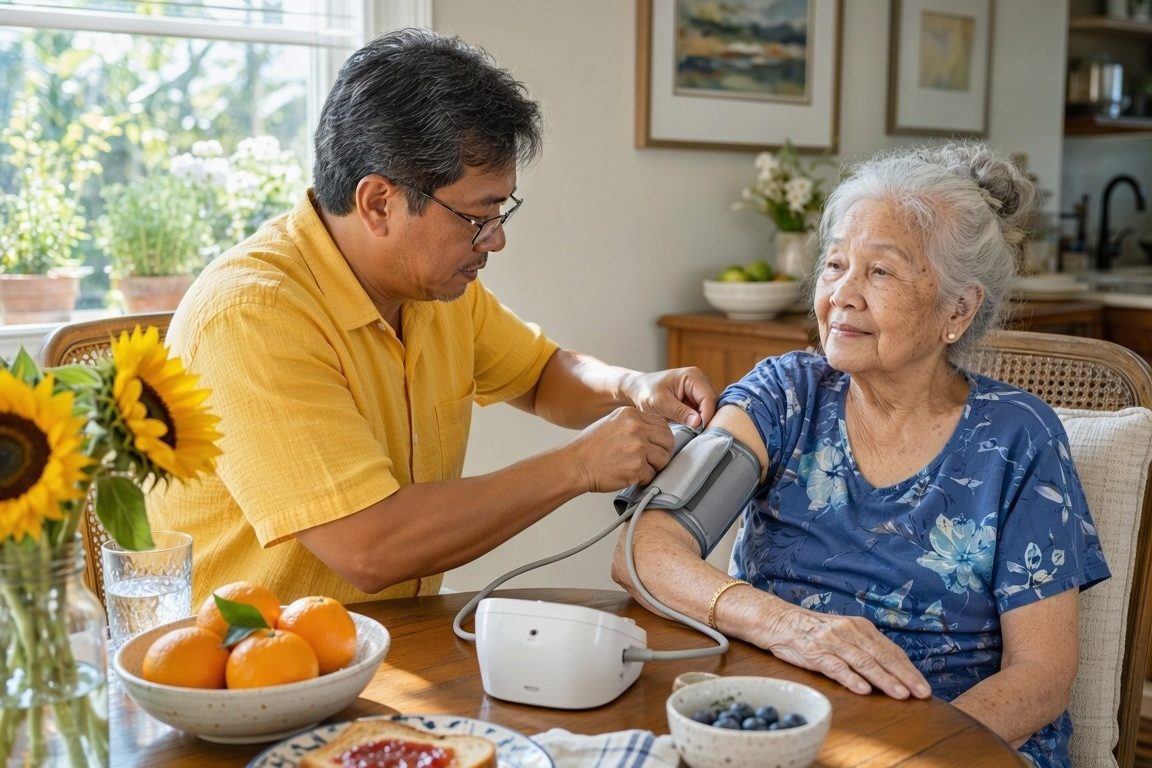
Use a validated automatic cuff to track BP daily; share readings with your doctor for medication adjustments.
Blood glucose meter (or CGM)
If diabetic or prediabetic, use a glucose meter or continuous glucose monitor to keep levels within target range and guide dietary choices.
Smoking cessation program or app
Enroll in a structured quit plan (e.g., Quitline, Smokefree.gov, or a local clinic program) combining counseling and nicotine replacement if needed.
Weekly meal planner with heart-healthy recipes
Plan and prepare meals based on DASH or Mediterranean guidelines, focusing on vegetables, whole grains, lean protein, and low sodium.
Different situations
For an early-stage patient who is still independent and motivated
Focus on education and self-management. Help them understand that they have the power to influence the course of their disease. Encourage them to take ownership of their health by tracking their own blood pressure, choosing heart-healthy meals, and joining a walking group. The tone should be empowering, not frightening. They may benefit from a 'brain health' class or support group specifically for early-stage vascular dementia.
For a middle-stage patient who needs more hands-on support
Simplify the steps and make them part of the daily routine. For example, instead of asking them to choose what to eat, prepare heart-healthy meals and serve them. Instead of asking them to exercise, put on music and dance together for 10 minutes. Use visual cues (like a picture of a person walking) to prompt activity. Be patient and flexible, some days they may only have energy for a short walk or a single puzzle piece. That is okay.
For a caregiver who is an adult child (vs. a spouse)
Adult children may need to navigate a shift in roles, from child to caregiver. It can be hard to set boundaries or enforce health changes with a parent. Use 'we' language: 'We are going to work on this together.' Consider involving other siblings or a geriatric care manager to share the load. Also, be aware that your parent may resist advice from you, a neutral third party like a doctor or health coach can sometimes be more effective.
For a patient with mixed dementia (vascular + Alzheimer's)
The prevention steps are the same, but the progression may be faster and more unpredictable. Pay extra attention to mood and behavior changes, as depression and anxiety are common. The stepwise decline from vascular damage can be layered on top of the gradual decline from Alzheimer's. Work closely with a neurologist or geriatric psychiatrist who understands both conditions. The goal is to manage risk factors while also addressing Alzheimer's symptoms (like memory loss) with appropriate strategies.
For a patient living in a facility or with limited mobility
Focus on what is possible: chair-based exercises, arm movements, and short walks with assistance. Work with the facility's staff to ensure meals are heart-healthy and low in salt. Advocate for regular blood pressure checks and medication management. Social engagement can happen through group activities, visits, or even listening to music together. The key is to adapt, not abandon, the prevention plan.
Common questions
3
How can I access financial help for a veteran parent with dementia?
Contact the U.S. Department of Veterans Affairs (VA) to ask about the Aid and Attendance pension benefit, which provides extra monthly funds for veterans who need in-home care or assisted living. Your local VA office or a veteran service officer can help you file the application step by step.
Can lifestyle changes reverse vascular dementia, and what should I know about dementia medications?
Lifestyle changes cannot reverse vascular dementia, but they can slow its progression and improve your loved one's quality of life, so focus on controlling blood pressure and staying active. For medications, talk to your doctor about whether cholinesterase inhibitors (like donepezil) are appropriate, as they may help with symptoms in some cases.
How can I prevent aspiration pneumonia in a loved one with end-stage dementia?
To prevent aspiration pneumonia, sit your loved one upright at a 90-degree angle during meals and keep them upright for 30 minutes after eating, offering only thickened liquids or pureed foods as recommended by a speech therapist. Watch for coughing or wet-sounding breathing during meals and stop feeding immediately if you notice these signs.
For the doctor
6
- Ask the doctor: 'What is the ideal blood pressure target for my loved one, and how often should we check it at home?'
- Ask the doctor: 'Are there any medications that could help manage vascular risk factors more effectively, or should we adjust current prescriptions?'
- Ask the doctor: 'Given my loved one's history of [stroke/TIA/diabetes], what is the best plan to prevent future strokes?'
- Ask the doctor: 'Would an antidepressant be appropriate if my loved one shows signs of depression? What are the potential benefits and side effects?'
- Ask the doctor: 'Are there any supplements or vitamins that are proven to help with vascular dementia prevention? (Note: No supplements are currently proven, but your doctor can advise on safety.)'
- Ask the doctor: 'Should we see a neurologist or a geriatric psychiatrist for a more specialized evaluation and treatment plan?'