
Step by step
What not to do
- Do not assume MAT is a 'magic cure' or that it works without counseling. It is most effective when combined with behavioral support.Instead, pair medication with therapy or support groups.
- Do not stop MAT abruptly if side effects occur. Many side effects are temporary.Instead, talk to the doctor about adjusting the dose or switching medications.
- Do not hide the medication in food or drink without the person's knowledge, this can break trust and is unethical.Instead, have an open conversation about why the medication is needed.
- Be cautious about using disulfiram in a person with dementia who may accidentally drink alcohol (e.g., from mouthwash or cooking wine); the reaction can be dangerous. Ask the doctor if naltrexone or acamprosate would be safer alternatives.
- Do not ignore the person's other medications. Some dementia drugs (like donepezil) can interact with alcohol, and MAT may need dose adjustments. Always provide a full medication list to the doctor.
- Do not give up if the first medication doesn't work. Different people respond to different medications. It may take trying two or three options to find the right one.
Key points
- Only 2-3% of people with AUD receive MAT, despite it being safe and effective, advocate for your loved one.
- MAT works best when combined with counseling, support groups, and a structured daily routine.
- For dementia patients, start with non-drug strategies (routine, environment changes) before adding MAT.
- Choose a MAT medication that is safe with dementia drugs, naltrexone and acamprosate are often preferred over disulfiram.
- Monitor for side effects like confusion or falls, and report to the doctor promptly.
- You are not alone, use helplines, support groups, and dementia-specialist providers to build a care team.
Videos
 Jonathan Hunt-Glassman CEO and Co-Founder of Oar HealthThis video explains why MAT is underused and how it works, directly from a leader in the field. It helps caregivers understand the barriers and how to overcome them.
 Time with Teepa - How to Address a Long-Term Complex SituationTeepa Snow offers practical advice for handling the combination of dementia and substance use, including how to assess awareness and find appropriate support.
 What Treatments Are Available for Mixed Dementia? | TestThis video covers treatments for mixed dementia, which often includes alcohol-related dementia. It provides context for how MAT fits into a broader treatment plan.
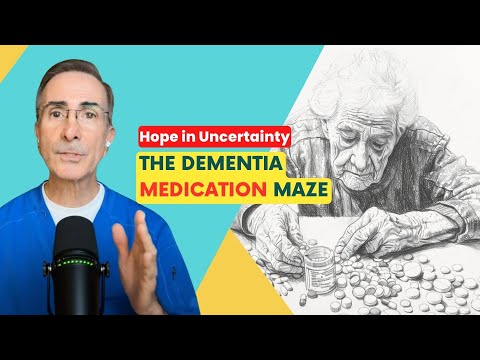 Dementia Medications ExplainedA clear explanation of dementia medications, helping caregivers understand potential interactions with MAT and the importance of a coordinated medication plan.
2 more videos
 How Do You Get Specialized Support For Mixed Dementia? - Dementia Help HubThis video guides caregivers on building a care team for complex dementia cases, including how to find specialists who can manage both AUD and dementia.
 Managing Sleep & Sundowning in Dementia CareSleep issues are common in dementia and can be worsened by alcohol. This video offers non-drug strategies that complement MAT and reduce the need for sedatives.
Practical tools
6
The 'AUD Checklist' Conversation Starter
Print or write out the 11 AUD criteria (available from the American Psychiatric Association) and use them as a gentle checklist: 'Let's see how many of these apply, just to understand your health better.' This can make the conversation less confrontational.
Medication Tracking Chart
Create a simple chart with columns for date, time, medication name, dose, and any side effects. Place it near the pill organizer. For a person with dementia, use large print and check off each dose together.
The 'Three-Question' Doctor Visit Prep
Before the appointment, write down:
Bring this list to the visit.
Alcohol-Free Environment Setup
Remove all alcohol from the home, including cooking wines and alcohol-based mouthwashes. Replace with appealing non-alcoholic alternatives like sparkling water with fruit, herbal teas, or non-alcoholic beer (if safe with medications).
The 'Small Wins' Journal
Keep a notebook where you record each day without drinking, or each reduction in amount. Celebrate with a small reward (a favorite snack, a walk, a movie). This builds positive reinforcement for both of you.
SAMHSA National Helpline (1-800-662-4357)
Call this 24/7 helpline to find MAT providers in your area. They can also connect you to support groups and counseling services. It's free and confidential.
Different situations
Lewy body dementia or Parkinson's disease dementia
These conditions often involve visual hallucinations and motor symptoms. MAT medications like naltrexone may be safer than disulfiram, which can worsen confusion. Also, avoid medications that increase fall risk (like sedatives). Work closely with a neurologist who specializes in Lewy body disorders.
Late-stage dementia (severe cognitive decline)
At this stage, the person may not be able to consent to MAT or remember to take it. Focus on safety: remove alcohol, use long-acting injectable naltrexone if appropriate, and prioritize comfort. Discuss with the doctor whether MAT is still beneficial or if palliative approaches are better.
Spouse caregiver vs. adult child caregiver
A spouse may have a longer history with the person's drinking and may feel more guilt or enabling. An adult child may have more emotional distance but less authority. Both should attend a support group (e.g., Al-Anon) to learn how to set boundaries and avoid enabling. The spouse may need to practice saying: 'I love you, but I cannot watch you drink anymore. I will help you get treatment.'
Person lives in a facility (nursing home or memory care)
The facility staff must be informed about MAT and trained to administer it. Ask for a written care plan that includes monitoring for side effects and alcohol use. Some facilities may have policies against MAT, advocate for your loved one by citing its medical necessity. Also, ensure the facility removes alcohol from the premises.
Medicaid or limited insurance
MAT medications are generic and often covered by Medicaid and Medicare Part D. However, prior authorization may be required. Contact the insurance company to confirm coverage. Also, look for community health centers or sliding-scale clinics that offer MAT. The SAMHSA helpline can help find low-cost options.
For the doctor
6
- Ask your doctor: 'Is naltrexone, acamprosate, or disulfiram safe for my loved one given their dementia diagnosis and current medications?'
- Ask: 'How will this MAT medication interact with cholinesterase inhibitors (like donepezil) or other dementia drugs?'
- Ask: 'What is the plan if my loved one accidentally drinks alcohol while on disulfiram? Should we avoid this medication altogether?'
- Ask: 'Are there any blood tests or liver function tests needed before starting MAT?'
- Ask: 'If my loved one has a history of seizures or liver disease, which MAT options are safest?'
- Ask: 'Can we try a non-drug approach first, and if so, for how long before considering MAT?'