Step by step
What not to do
- Do not try to change everything at once. Pick one habit (e.g., daily walk), stick with it for three weeks, then add another.
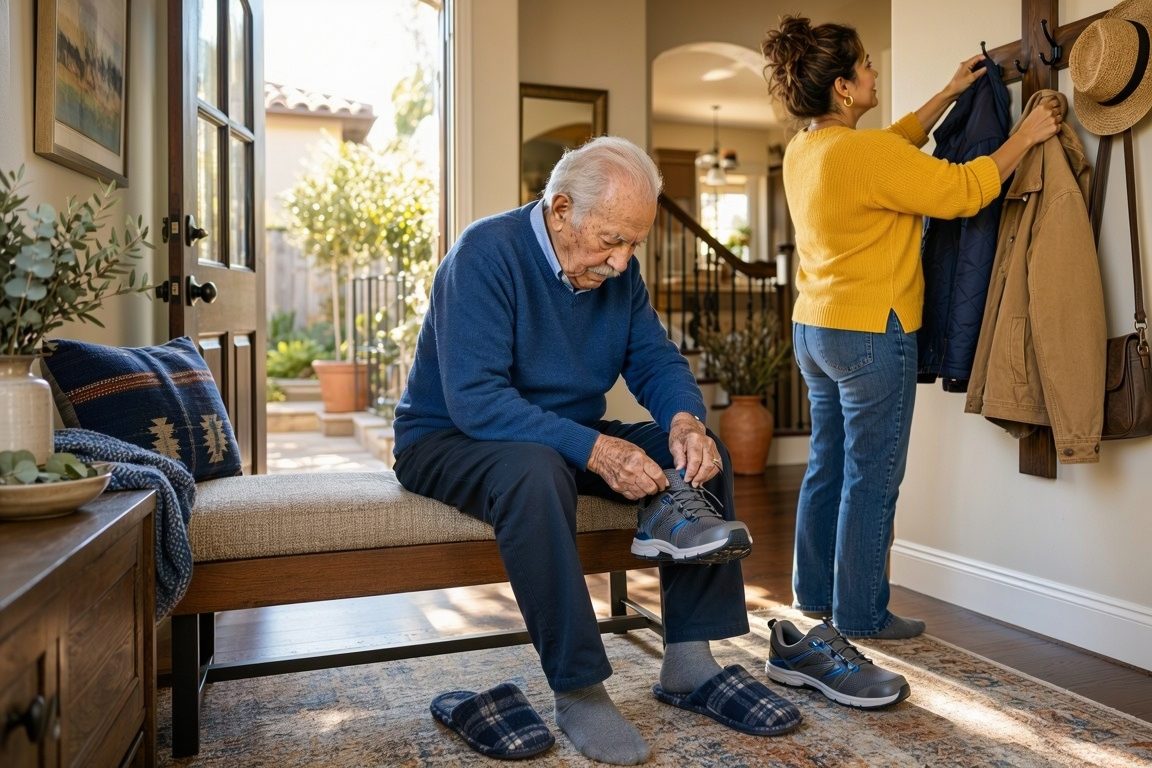
- Do not rely on willpower alone. Change your environment to make healthy choices easier (e.g., keep walking shoes by the door, store healthy snacks at eye level).
- Do not skip sleep to fit in other activities. Sleep is foundational; if tired, prioritize rest over a workout.
- Do not isolate yourself. Tell a friend or family member your goal, or join a brain-health group for accountability.
- Do not expect immediate results. Focus on the process, not the outcome; celebrate small wins like completing a week of walks.
Key points
- Up to 45% of dementia cases could be delayed or prevented by modifying 14 lifestyle factors, including exercise, diet, smoking, alcohol, and social engagement.
- Start with one small habit, like a 10-minute walk, and build from there. Consistency matters more than intensity.
- A Mediterranean-style diet (rich in vegetables, berries, whole grains, fish, and olive oil) is linked to better cognitive function and a younger brain age.
- Exercise releases BDNF, a chemical that grows and protects your memory centers. Aim for 30 minutes of aerobic activity most days.
- Social engagement, sleep, and stress management are just as important as diet and exercise for brain health.
- If you are a caregiver, your own brain health matters. Prioritize self-care and use the two-minute reset to manage stress.
Videos
 HOW TO REDUCE YOUR RISK OF DEMENTIA (and slow down dementia for your loved one)This video offers three lifestyle changes that can reduce dementia risk and slow progression, grounded in the 2024 Lancet report. It is practical and hopeful.
 14 Ways to Cut Your Dementia Risk in Half (Backed by Science)Walks through all 14 modifiable risk factors from the Lancet Commission, with actionable steps you can start today. Great for a comprehensive overview.
 5 Factors That Reduce Your Dementia Risk!Focuses on key factors like not smoking and alcohol consumption, with a message of hope for past smokers. Short and encouraging.
 7 Ways to Reduce Sundowning Symptoms in Dementia PatientsWhile focused on sundowning, the strategies (routine, calm environment, reducing stimulation) directly support brain-healthy habits for both caregiver and care recipient.
2 more videos
 Ep. 242: How Do We Share New Information?Teaches communication techniques that reduce stress and improve cooperation, which is essential when introducing new habits to a person with dementia.
 Alzheimer's Disease vs DementiaClarifies the difference between Alzheimer's and other dementias, helping you tailor lifestyle changes to the specific diagnosis.
Practical tools
3
The Two-Minute Reset
Before starting a new habit or a potentially stressful interaction, take two minutes to breathe deeply: inhale 4 counts, hold 4, exhale 4. Calms your nervous system.
The MIND Diet Shopping List
Post this on your fridge:
Avoid: red meat (≤4x/week), butter (<1 tbsp/day), cheese, fried/fast food, pastries, sweets.
The 10-Minute Walk Timer
Set a timer for 10 minutes, walk out the door, turn around when it goes off, giving a 20-minute walk. Do this three times daily to hit 30 minutes. No equipment needed except comfortable shoes.
Different situations
For someone with early-stage Alzheimer's or mild cognitive impairment (MCI)
Focus on habits that are still within their ability. For exercise, try chair yoga or short walks with a companion. For diet, involve them in simple meal prep (washing berries, setting the table). Use the habit stacking script to attach new routines to existing ones. Keep social activities low-pressure and familiar. Avoid overwhelming them with too many changes at once.
For a caregiver (spouse or adult child) who is also trying to reduce their own risk
You need to prioritize your own self-care. Schedule your exercise and social time as non-negotiable. Use respite care or ask another family member to step in for 30 minutes so you can take a walk. Remember that your stress affects your loved one, so the two-minute reset is especially important. Join a caregiver support group, it counts as social engagement for you.
For someone living in a facility or with limited mobility
Adapt exercise to seated or bed-based movements: arm circles, leg lifts, or using resistance bands. For cognitive stimulation, try listening to audiobooks, doing simple puzzles, or looking at photo albums. Social engagement can be a phone call or video chat. Work with staff to incorporate brain-healthy foods into meals. Even small changes matter.
For a person with Lewy body dementia or Parkinson's disease dementia
Be extra cautious with exercise to prevent falls. Focus on balance exercises (with support) and gentle movement. Sleep disturbances are common, so prioritize a consistent bedtime routine and discuss any sleep medications with the clinician. Visual hallucinations may make some activities confusing, keep the environment calm and well-lit. Social activities should be short and predictable.
For a person with frontotemporal dementia (FTD)
Behavior changes and lack of insight are common. Focus on routines that reduce agitation. Use simple, one-step instructions. For diet, be aware that FTD can cause cravings for sweets or carbohydrates, offer healthy alternatives like fruit. Exercise may need to be structured and supervised. Social engagement should be in small groups or one-on-one, as large groups can be overwhelming.
For the doctor
6
- Ask your doctor: 'Based on my current health, what is a safe target for blood pressure and cholesterol levels to protect my brain?'
- Ask your doctor: 'Are there any medications I take that might affect my memory or thinking? Should I have a medication review?'
- Ask your doctor: 'Given my family history, should I consider genetic testing for dementia risk? What would the results mean for my lifestyle plan?'
- Ask your doctor: 'I want to start a new exercise program. Are there any precautions I should take given my age or health conditions?'
- Ask your doctor: 'I am thinking about taking a supplement for brain health. Are any of these proven to help, or could they be harmful?'
- Ask your doctor: 'My loved one with dementia has trouble sleeping. Are there non-drug approaches we should try first? When might medication be appropriate?'