Step by step
What not to do
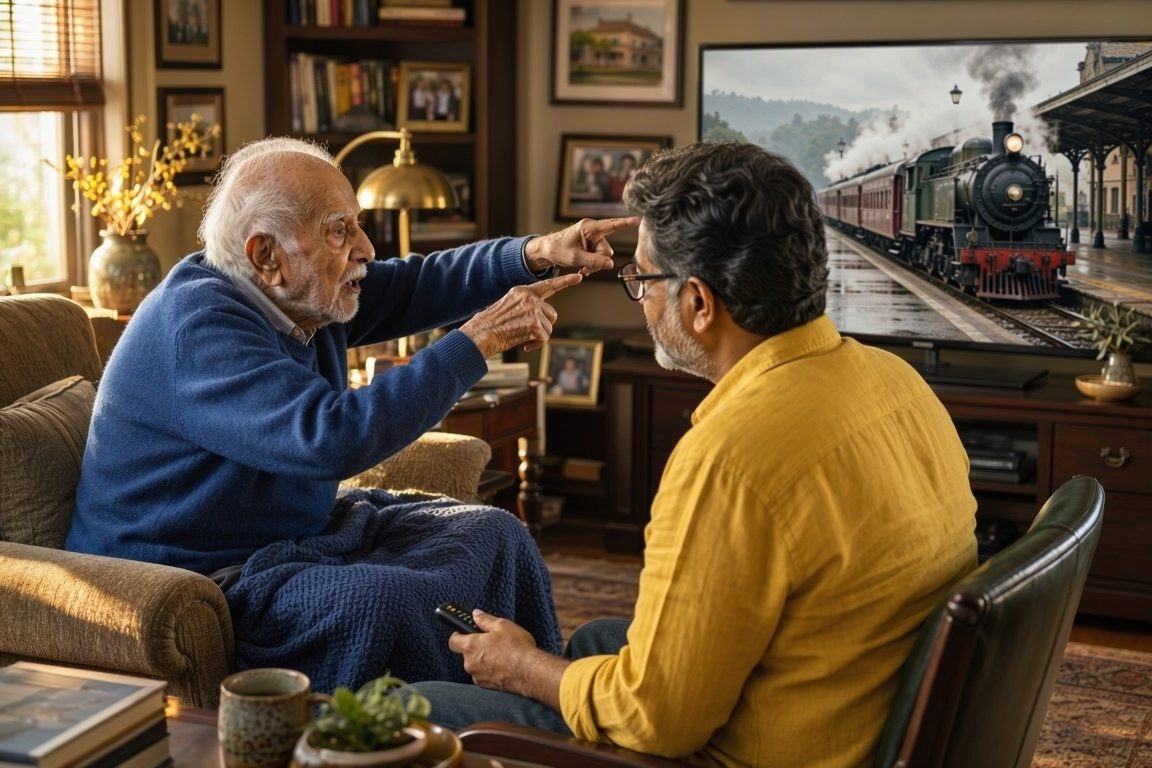
- Do not put on a regular TV show with a complex plot, like a modern drama or a movie with many characters. This can confuse and agitate your loved one because they cannot follow the story.Instead, use Memory Lane TV’s plot-free content that is meant to be enjoyed moment by moment.
- Do not force your loved one to watch if they seem uninterested or agitated. Forcing can create a power struggle and increase anxiety.Instead, turn off the TV and try again later with a different video or a different time of day.
- Do not leave the room immediately after starting the video. Your loved one may need your presence to feel safe and engaged. Stay for at least the first few minutes, and only step away once they are clearly absorbed in the content.
- Do not use Memory Lane TV as a replacement for human interaction. It is a tool to spark connection, not a babysitter. Always watch with them or check in frequently, and use the videos as a springboard for conversation or shared activity.
- Do not choose content that is too modern or unfamiliar. A person with dementia often responds best to material from their childhood or young adulthood (ages 10–30). For example, if they grew up in the 1950s, try shows from that era. Avoid recent pop culture that they may not recognize.
Key points
- Memory Lane TV is a streaming service with plot-free videos designed for dementia, triggering positive memories and calming anxiety.
- It is low-cost, easy to set up on any TV with a streaming device, and can be used at any time of day to energize, calm, or maintain mood.
- Each episode is 28 minutes long, a length backed by research for optimal engagement without overstimulation.
- Always watch with your loved one initially, and use the videos as a springboard for gentle conversation, not as a test of memory.
- Personalize content to their era (childhood/young adulthood) and stage of dementia, shorter clips for later stages, slower content for Lewy body.
- It offers caregivers a brief respite while their loved one is engaged, but should not replace human interaction.
Videos
 Listen to what Teepa Snow has to say about Memory Lane TVTeepa Snow is a renowned dementia care expert; this video explains why the platform works for calming and connection.
 An Interactive and Media Collection for people living with dementia & their care partnersShows a demo of the platform and how it can be used one-on-one or in groups.
 Radio Show VoiceAmericaDiscusses the therapeutic techniques behind Memory Lane TV, including reminiscence therapy.
 Simple dementia trick to get your loved one talking and feeling happy.Offers practical tips on using reminiscence to spark conversation, complementing Memory Lane TV use.
2 more videos
 Discover Memory Lane GamesIntroduces a related app with 3,400 games that also use reminiscence to stimulate conversation.
 Caregiver Strategies How to Deal with Dementia Care Challenges Sundowning, Anxiety, and RestlessnessProvides broader strategies for calming, which can be paired with Memory Lane TV for sundowning.
Background
What Is Memory Lane TV and How Does It Work?
Memory Lane TV is a subscription-based streaming service (available at memorylane.tv or through TV app stores) that provides a curated collection of videos, like old TV shows, music clips, nature scenes, and nostalgic imagery, designed for people with dementia. Unlike regular TV, which often requires following a plot, Memory Lane TV’s content is meant to be enjoyed in the moment, without needing to remember what happened before. This is key because dementia impairs short-term memory and the ability to follow complex narratives, but long-term memories from childhood or young adulthood often remain accessible. The platform is built on the science of reminiscence therapy, which has been shown in studies (like a 2018 Cochrane review) to improve quality of life, communication, and mood for people with dementia.
Why It Works for Calming and Connection
When a person with dementia feels anxious or agitated, their brain is overwhelmed by confusion or sensory overload. Memory Lane TV acts as a gentle anchor by providing familiar, predictable content that triggers positive memories, like hearing a song from their youth or seeing a clip from a beloved TV show. This can lower stress hormones, reduce restlessness, and create a shared experience between you and your loved one. The platform is designed to be used at any time of day: in the morning to energize, in the afternoon to maintain a calm mood, or in the evening to ease sundowning. Each episode is about 28 minutes long, a length that research suggests is optimal for engagement without overstimulation.
Practical tools
4
Memory Lane TV Subscription
The core tool. Subscribe at memorylane.tv or through your TV’s app store. It costs a low monthly fee and gives access to hundreds of videos. Install it on a TV or streaming device (Roku, Fire Stick, Apple TV). Use the 28-minute episodes as a calming activity.
Exact Phrases to Say
When starting a video, say: ‘Let’s watch something fun together.’ If they react, say: ‘That’s a great memory. Tell me more if you like.’ If they seem confused, say: ‘It’s just a little show. We can turn it off anytime.’ Avoid asking ‘Do you remember this?’ which can pressure them. Instead, use ‘I love this part, don’t you?’
Comfort Setup Checklist
Before starting, check:
Fidget Mat or Sensory Object
While watching, give your loved one something to do with their hands, like a fidget mat, a soft cloth, or a deck of cards. This can help them stay calm and focused during the video, especially if they have restless hands.
Different situations
Early-stage Alzheimer’s (mild cognitive decline)
In early stages, your loved one may still enjoy longer videos and can engage in more detailed conversation afterward. Use Memory Lane TV to spark discussions about their past, ask open-ended questions like ‘What was your favorite part of that show?’ They may also enjoy helping you choose which video to watch next.
Late-stage dementia (moderate to severe)
In later stages, choose very short clips (5–10 minutes) and focus on sensory content like nature scenes or music without words. Sit close and hold their hand or offer a gentle touch. Do not expect verbal responses; instead, watch for smiles, relaxed breathing, or humming. Use the same video repeatedly if they respond well, familiarity is comforting.
Lewy body dementia (with visual hallucinations or fluctuating attention)
Be cautious with fast-moving or brightly flashing videos, which can trigger hallucinations or agitation. Stick to slow, gentle content like landscapes or classical music. Keep sessions very short (5 minutes) and monitor closely. If they seem distressed, stop immediately and try a different activity.
In a facility (nursing home or assisted living)
Coordinate with staff to set up Memory Lane TV in your loved one’s room or a common area. Ask if they can schedule it during a quiet time, like after lunch. You can also use it during visits to create a shared experience. If the facility has a group room, the platform can be used for group reminiscence sessions, as it is designed for both individual and group viewing.
Spouse vs. adult child caregiver
As a spouse, you may have more shared memories to draw on, use that to your advantage by saying things like ‘Remember when we watched this together?’ As an adult child, you might not share those memories, so focus on asking gentle questions like ‘What did your parents think of this show?’ This keeps the conversation positive and avoids making them feel tested.
For the doctor
3
- If your loved one has a history of seizures or epilepsy, ask their doctor if watching TV with flashing lights or rapid scene changes is safe.
- If your loved one becomes agitated or aggressive during video watching, discuss this with their doctor to rule out pain, medication side effects, or other medical causes.
- If you plan to use Memory Lane TV as part of a daily routine for sundowning, ask the doctor if it might interfere with sleep if used too late in the evening.