Step by step
What not to do
- Do not try to eliminate all junk food at once. This can trigger sneaking, hoarding, or meltdowns.Instead, gradually swap one item at a time, potato chips for air-popped popcorn, milk chocolate for dark chocolate, soda for sparkling water with fruit.
- Do not argue or lecture about nutrition. A person with dementia cannot reason past a craving. Redirect with a positive offer, like 'Let's try this yummy yogurt together.'
- Do not skip your own meals or run on caffeine to get through the day. Caregiver blood sugar crashes drive more junk food cravings, so set a timer to eat something nourishing, even if it is just a handful of almonds and an apple.
- Do not throw away a hoarded food stash behind their back. It will increase anxiety and usually make hoarding worse. Sort together slowly, over several days, and always in plain sight.
- Do not assume weight loss is always a good thing. If either of you is losing weight without trying or eating very little, speak to a clinician.
Key points
- Junk food cravings in dementia are often due to changing taste buds and brain changes, not a lack of willpower.
- Caregivers also reach for junk food because of stress and lack of time; batch cooking and convenience products can help.
- Never argue about food. Offer choices between two healthy options to give the person control.
- Use the three-breath technique to lower stress and reduce impulsive eating.
- If the person hoards food, involve them in sorting and do it slowly to avoid anxiety.
- Joy and comfort matter. If a treat brings happiness and does not cause immediate harm, it may be okay to keep it.
Videos
 How to eat healthy as a dementia caregiver: Interview with a nutritionistThis video offers practical, stress-reducing meal prep tips and explains why caregivers often turn to junk food, and how to break the cycle.
 Managing Caregiver Stress & BurnoutStress is a major driver of junk food cravings. This video gives concrete stress management techniques that directly support healthier eating habits.
 Reducing Caregiver Stress & Compassion FatigueCompassion fatigue can lead to emotional eating. This video helps you recognize the signs and offers tools to reset.
 Dementia Food Secrets: Expert Q&A with Molly Robinson, RDA registered dietitian answers real caregiver questions about picky eating, sweet cravings, and how to make food more appealing for someone with dementia.
2 more videos
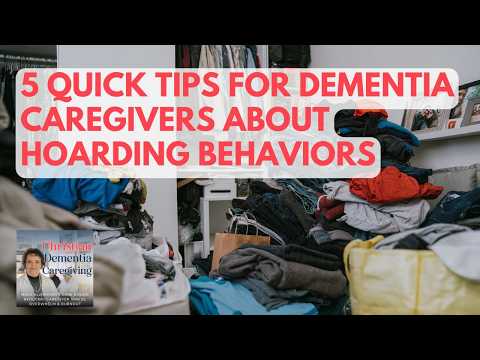 160. 5 Quick Tips for Dementia Caregivers About Hoarding BehaviorsHoarding food is a common challenge. This video gives gentle, step-by-step strategies for managing it without causing distress.
 Quick Tips: Top Ten Tips for Caregivers to Stay Healthy and ActiveThis video covers quick, doable tips for caregivers to maintain their own health, including simple meal ideas and stress relief.
Background
Why Junk Food Cravings Happen in Dementia
As dementia progresses, taste buds change. Sweet flavors are often the last to fade, so many people with dementia naturally crave sugary foods, it is one of the few tastes they can still fully enjoy (source 7). At the same time, the brain's ability to regulate appetite can become disrupted. Some people eat more, especially calorie-dense sweets, while others eat less. This is not a choice or a lack of willpower; it is a neurological change (source 12).
For caregivers, the stress of constant demands, lack of time, and emotional exhaustion often leads to reaching for quick, processed foods themselves. When you are running on empty, a bag of chips or a drive-through feels like the only option (source 2). This is completely understandable , you are surviving. The goal is not to eliminate all junk food overnight, but to slowly build in healthier habits without adding more pressure to your already full plate.
The Emotional Side: Control, Comfort, and Joy
For a person with dementia, food can be one of the few remaining sources of pleasure and control. If they are hoarding snacks or insisting on certain sweets, it may be because those items give them comfort and a sense of autonomy (source 8). Taking that away without a gentle, collaborative process can cause anxiety, agitation, and a power struggle that leaves everyone upset.
At the same time, caregivers often feel guilty about what they eat or what they give their loved one. You may worry about weight gain, diabetes, or nutritional gaps. But remember: a person with a progressive dementia has a disease that will shorten their life. If a cookie brings them joy and does not cause immediate harm, it may be worth letting go of the guilt (source 23). The key is to find a middle path, offering healthier options while still allowing treats that bring happiness.
Practical tools
2
The Three-Breath Reset
When junk food cravings hit, stop and take three deep, slow belly breaths: breathe in through your nose for 4 counts, hold for 4, and exhale through your mouth for 6. This lowers cortisol and gives you a moment to choose a healthier option.
The Weekly Swap Ladder
Each week, pick one junk food to gently replace with a satisfying alternative: potato chips → air-popped popcorn sprinkled with nutritional yeast; milk chocolate → a single square of dark chocolate; cookies → homemade oatmeal-banana bites; sugary cereal → plain oatmeal with berries and cinnamon. Replacing one item at a time prevents the feeling of deprivation that triggers hiding, sneaking, or emotional eating, for both of you.
Different situations
Late-stage dementia or difficulty swallowing
Focus on pureed or soft foods that are sweet and easy to swallow, like pudding, applesauce, or smoothies. Thicken liquids as recommended by a speech therapist. Do not worry about variety, getting any calories in is the priority (source 6).
Lewy body dementia or Parkinson's dementia
These conditions often cause sensitivity to textures and strong flavors. Stick to bland, familiar foods. Avoid spicy or heavily seasoned items. Offer small, frequent meals because appetite can fluctuate wildly. Watch for choking risks due to swallowing difficulties.
Frontotemporal dementia (FTD)
People with FTD may develop a strong preference for sweets or carbohydrates, and they may eat very quickly or binge. Use small plates and serve one item at a time to slow down eating. Remove excess food from the table to prevent overeating. Offer sweet but healthy options like fruit or yogurt.
Spouse caregiver vs. adult child caregiver
Spouses often have decades of shared food habits and may feel guilty changing them. Adult children may have more authority to set new boundaries. Either way, involve the person with dementia in choices as much as possible. If you are an adult child, consider that your parent may see you as 'taking over', use gentle language like 'Let's try this together.'
Low-income or fixed budget
Healthy food can be expensive. Use canned fruits (in juice, not syrup), frozen vegetables, and bulk grains like oats and rice. Apply for SNAP benefits, over 4 million older Americans use SNAP, and the average senior receives $113 per month (source 15). Check with your local senior center for meal programs like Meals on Wheels.
For the doctor
5
- If your loved one has diabetes, high blood pressure, or heart disease, ask the doctor how to balance sweet cravings with medical needs. Do not change their diet without guidance.
- If you or your loved one has lost or gained a significant amount of weight in a short time (more than 5% of body weight in a month), discuss this with a doctor or dietitian.
- If you suspect an eating disorder such as binge eating, bulimia, or avoidant/restrictive intake, seek professional help. These conditions can be life-threatening (source 13, source 25).
- If your loved one has trouble swallowing, choking, or coughing during meals, ask for a swallowing evaluation from a speech-language pathologist before changing food textures.
- If you are feeling overwhelmed, depressed, or unable to care for yourself, talk to your doctor. Caregiver burnout is serious and can affect your health and ability to provide care.