
Step by step
What not to do
- Do not try to argue or reason with them about why sweets are bad for them. Their brain cannot process that logic, and it will only lead to frustration, agitation, and a power struggle.Instead, redirect with a gentle offer of a healthier option alongside the treat.
- Do not hide or completely ban all sweets and junk food. This can lead to them becoming obsessed with finding them, sneaking food, or becoming more anxious. A total ban often backfires and makes the craving stronger. A small, controlled amount is usually more effective.
- Do not assume they are being stubborn or childish. This is a neurological change, not a personality flaw. Responding with anger or punishment will damage your relationship and increase their distress. Approach the situation with empathy and curiosity.
- Do not offer a plate full of only healthy food and expect them to eat it. If they cannot taste or smell it, they will likely refuse it entirely. Always include at least one item you know they still enjoy, even if it is a small treat, to encourage them to eat something.
- Do not forget to check for physical discomfort. Ill-fitting dentures, sore gums, or constipation can make eating painful and lead them to seek only soft, easy-to-eat foods like ice cream or pudding. A dental check or a stool softener (with a doctor's approval) might solve the problem.
- Do not give up and let them eat only junk food all day. While some flexibility is needed, a diet of pure sugar and salt can worsen confusion, cause blood sugar swings, and lead to weight gain or loss. Use the strategies above to gently guide them toward a more balanced intake.
Key points
- Sweet cravings are often caused by a loss of smell and taste, sweetness is one of the last flavors the brain can still detect.
- Dementia can disrupt hunger and fullness cues, leading to a search for strong-tasting, rewarding foods like sweets and junk food.
- Never argue or ban sweets entirely; this leads to frustration and obsession. Instead, use the 'two-plate trick' and offer small, controlled portions.
- Camouflage healthy foods with a touch of sweetness (honey, sugar, fruit) to make them more appealing.
- Keep tempting junk food out of sight and place healthy options at eye level to gently guide choices.
- Always consult a doctor before making dietary changes if your loved one has diabetes, heart disease, or other medical conditions.
- In late-stage dementia, preventing weight loss and dehydration is more important than a perfect diet. Sometimes, letting them eat the treat is the kindest choice.
Videos
 Why Does my Person w Dementia ONLY EAT SWEETS & JUNK FOOD?!?Directly addresses the question of why cravings happen and offers practical strategies like hiding junk food and using the 'two-plate' method.
 What to do if your loved one with dementia is eating WAY TOO MANY SWEETS!Provides step-by-step advice for managing excessive sweet intake, including how to use portion control and redirection.
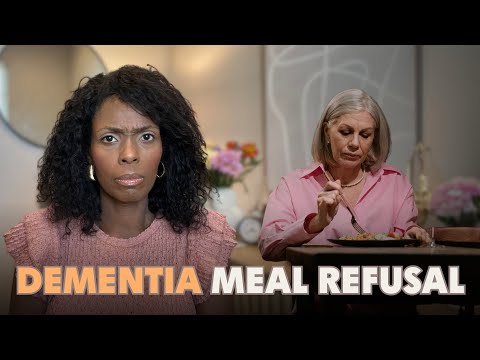 Why Meal Refusal Happens with Dementia (And How to Tackle It Without a Fight)Explains the sensory and neurological reasons behind food refusal, including the loss of taste and smell, and offers non-confrontational solutions.
 Zinnia Caregiver Support - Eating and DementiaCovers the emotional and behavioral aspects of eating changes, including how stress and mood swings can drive cravings for comfort foods.
2 more videos
 Debra Dementia Live!A live Q&A that addresses real caregiver questions about food preferences, including why familiar foods are rejected and how to adapt.
 Announcing 'The Baffled Brain: Demystifying Dementia'Provides a broader understanding of how dementia changes the brain, which helps caregivers approach food issues with more empathy and less frustration.
Background
The Brain's Changing Relationship with Taste and Smell
As dementia progresses, the brain's ability to register taste and smell often changes dramatically. The sense of smell, which is responsible for about 90 percent of what we perceive as flavor, is frequently diminished or lost. This means that many foods, especially vegetables, lean proteins, and whole grains, simply no longer taste like anything to your loved one. They become bland and unappealing. Sweets, however, are different: the taste buds that detect sweetness are often the last to be affected by aging and dementia. A sweet flavor can still be perceived even when other tastes are gone, making sugary foods one of the few things that still provide a pleasurable sensory experience. This is not a choice; it is a biological reality of the disease.
Loss of Hunger and Fullness Cues
Dementia can also damage the parts of the brain that regulate appetite, hunger, and fullness. Your loved one may no longer feel hungry in the way you do, or they may not feel full after eating. This dysregulation can lead them to seek out foods that give a quick, strong sensory reward, often sweets and salty snacks, because those foods still trigger a positive response in the brain. At the same time, they may completely ignore nutritious foods that offer no taste or satisfaction. This is not about being picky; it is about the brain's inability to send the right signals about what the body needs.
Emotional and Behavioral Factors
Dementia often brings mood swings, anxiety, and a general sense of confusion or distress. For many people, eating familiar comfort foods, especially sweets, can be a way to self-soothe or manage those uncomfortable feelings. Just as some people without dementia reach for cookies when stressed, your loved one may be instinctively seeking the emotional comfort that sugar and familiar junk foods provide. This is a normal human response, amplified by the cognitive challenges of dementia. Understanding this can help you respond with empathy rather than frustration.
Practical tools
6
The Two-Plate Choice Script
Exact phrase to say: 'Here, I have two plates. You can have this one with a cookie and some apple slices, or this one with just apple slices. Which one looks good to you?' Then you take the other plate and eat it yourself. This gives them a sense of control and reduces the chance of refusal.
The 'Sweet Camouflage' Checklist
A short mental checklist:
The goal is to make healthy foods taste sweet enough to be acceptable.
The 'Out of Sight, Out of Mind' Pantry Setup
Rearrange your kitchen:
Finger Food Tray for Easy Grazing
Prepare a tray or muffin tin with small, easy-to-pick-up portions:
Place it on the table or coffee table where they can graze throughout the day. This reduces the need for utensils and makes eating feel less like a chore.
Hydration Helper: Flavored Water Popsicles
Make sugar-free popsicles using water with a splash of lemon or lime juice, or use a sugar-free drink mix. Offer these as a treat. They satisfy the craving for something cold and sweet while also providing hydration. This is especially helpful if they refuse plain water.
The 'Yes, And' Redirect Script
When they ask for candy or chips, say: 'Yes, and let's also have some of these strawberries I just washed. They are so sweet today!' Then put a small bowl of strawberries next to a small bowl of chips. This validates their request while gently introducing a healthier option.
Different situations
For someone with frontotemporal dementia (FTD)
FTD often causes more dramatic changes in food preferences, including a strong craving for sweets and carbohydrates, and a loss of satiety. They may eat until they are sick. In this case, portion control is critical. Use a timer to limit eating time, and lock away tempting foods in a cabinet with a childproof lock. Focus on high-fiber, low-sugar foods that provide a feeling of fullness. Consult a dietitian experienced with FTD.
In the late stages of dementia (moderate to severe)
Weight loss becomes a greater concern than dietary perfection. If your loved one is losing weight and only wants ice cream, pudding, or milkshakes, it is often better to let them have it. You can boost nutrition by using full-fat dairy, adding protein powder or a meal replacement shake to the mix, and offering small, frequent portions. The priority is keeping them hydrated and preventing malnutrition.
If your loved one has diabetes
This is a high-risk situation that must be discussed with their doctor. Do not make any changes without medical guidance. Ask the doctor about safe sugar-free alternatives, such as sugar-free pudding, gelatin, or ice cream made with sugar substitutes. Monitor blood sugar closely. You may need to adjust their diabetes medication if their eating patterns change. Never assume a 'sugar-free' product is safe, some can still affect blood sugar or cause digestive issues.
If you are a spouse or live-in caregiver
You are with them all day, so you have the most influence. Use the 'out of sight' strategy consistently. Make it a habit to offer a small treat only after they have eaten a few bites of a healthier food. Be mindful of your own eating habits, if you are eating chips, they will want them too. Model the behavior you want to see. Also, take breaks for yourself; the constant negotiation can be exhausting.
If your loved one is in a memory care facility
Advocate for their needs with the staff. Ask if they can offer a small sweet at the end of meals, or if they can keep a bowl of fruit in the room. Provide the facility with a list of safe, preferred treats. If they are on a special diet (e.g., diabetic), make sure the staff has clear instructions. You can also bring in approved snacks yourself, but check the facility's policy first.
For the doctor
6
- Ask the doctor: 'Is it safe for my loved one to have sugar substitutes like stevia or sucralose, given their other health conditions?'
- Ask the doctor: 'Could their craving for sweets be related to a medication side effect? Is there an alternative medication?'
- Ask the doctor: 'Given their diabetes/heart condition, what is the maximum amount of sugar or salt they can have per day, and what are the safest sweet options?'
- Ask the doctor: 'Should I be concerned about blood sugar swings if they eat sweets on an empty stomach? What should I watch for?'
- Ask the doctor: 'Is there a risk of dehydration if they only want dry, salty snacks? How can I ensure they get enough fluids?'
- Ask the doctor: 'Could there be an underlying infection or dental problem causing them to prefer soft, sweet foods?'