
Step by step
What not to do
- Do not force-feed or argue. This creates a power struggle and can lead to fear and resistance around food.Instead, gently offer the food again later or try a different texture or temperature.
- Do not assume weight loss is 'just part of dementia' and do nothing. While some weight loss is common, it can often be slowed or prevented with proactive strategies. Early intervention is key. (Source: Dementia Success Path)
- Do not switch to a low-fat or restrictive diet unless medically necessary. In dementia, the priority is calorie and protein intake, not dietary perfection. A little extra cake or ice cream can help maintain weight. (Source: Dementia Success Path)
- Do not serve meals in a noisy or chaotic environment. A loud TV, multiple conversations, or a cluttered table can overwhelm someone with dementia and reduce their focus on eating. Simplify the space. (Source: Zinnia - Videos for People with Dementia)
- Do not give up on favorite foods too quickly. Taste preferences can change, but sometimes a food just needs to be presented differently, warmed up, cut into smaller pieces, or paired with a familiar dip. (Source: Dementia Careblazers)
- Do not ignore signs of depression. If your loved one seems withdrawn, sad, or expresses feelings of worthlessness, talk to their doctor. Treating depression can improve appetite and quality of life. (Source: Answers About Alzheimer's)
Key points
- Weight loss in dementia is often preventable with early, proactive strategies.
- Physical causes like dental pain, constipation, and loss of smell are common and treatable.
- Boost calories by adding healthy fats and proteins to existing foods.
- Create a calm, routine-based mealtime environment with minimal distractions.
- Eat together to model behavior and make meals social.
- Monitor weight weekly and consult the doctor if you see a consistent downward trend.
Videos
 Loss of Appetite in DementiaThis video explains the common causes of appetite loss, including physical and cognitive factors, and offers practical solutions.
 Dementia Caregiving: How to Get Them to EatAn occupational therapist shares tips for motivating a loved one with dementia to eat, including environmental and behavioral strategies.
 Dementia Food Secrets: Expert Q&A with Molly Robinson, RDA registered dietitian answers common questions about nutrition, weight management, and calorie-boosting techniques for dementia.
 Dementia, Weight Loss, and Loss of Appetite: Cause and how to helpThis video dives into the specific link between dementia and weight loss, with actionable steps to address it.
2 more videos
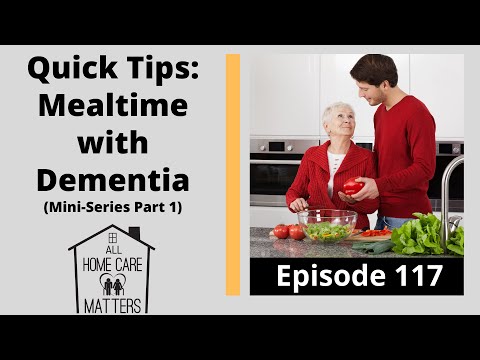 Quick Tips: Mealtime with Dementia (Mini-Series Part 1)A short, focused video with quick tips for making mealtime easier and more successful for both caregiver and person with dementia.
 End of Life Care for Patients with Dementia: Palliative Care & HospiceFor late-stage dementia, this video discusses comfort-focused care and when to consider hospice, including eating and hydration decisions.
Background
Why Weight Loss Happens in Dementia
Weight loss in dementia is rarely due to a single cause. As the disease progresses, the brain's ability to regulate appetite, recognize hunger, and coordinate eating becomes impaired. In early stages, some people may actually gain weight due to increased cravings for sweets or loss of impulse control. However, as dementia advances, weight loss becomes more common and harder to reverse. The goal is to prevent significant loss before it starts, because once weight is lost, it can be very difficult to regain. (Source: Dementia Success Path)
Physical Causes: More Than Just 'Not Hungry'
Many physical issues can masquerade as a lack of appetite. Problems with chewing and swallowing are a major factor, especially in moderate to severe dementia. Ill-fitting dentures, gum disease, or tooth pain can make eating uncomfortable or painful. Constipation is another hidden culprit, if someone is backed up, their body naturally signals 'no more food.' Changes in the sense of smell, which affects about 90% of appetite, can make food seem tasteless and unappealing. (Sources: Dementia Doc, Dementia Careblazers)
Cognitive and Emotional Factors
Dementia can cause apathy, a loss of motivation or interest in eating. Your loved one may simply forget to eat, or they may not recognize food as something to consume. Depression is also common in dementia and can suppress appetite. Anxiety, mood swings, and feelings of worthlessness can all lead to reduced food intake. The person may also have trouble processing the act of eating, especially if the environment is noisy or cluttered. (Sources: Dementia Care Hub, Answers About Alzheimer's)
The Role of the Caregiver's Approach
Your own stress and frustration can inadvertently affect mealtime. If you feel rushed, anxious, or upset, your loved one may pick up on those cues and become less willing to eat. Creating a calm, patient, and routine-based environment is key. Remember that weight loss is not inevitable, with the right strategies, you can slow or stop it. The most important thing is to act early, before significant weight loss occurs. (Sources: Dementia Success Path, Zinnia - Videos for People with Dementia)
Practical tools
6
The 'Let's Eat Together' Invitation
Instead of saying 'You need to eat,' try: 'I'm having some lunch, would you like to join me?' This reframes eating as a shared activity, not a demand. Sit down with your own plate and eat slowly, modeling the behavior. (Source: Dementia Success Path)
Calorie-Boosting Checklist
Keep a small card or note on the fridge: '
' This helps you remember to fortify foods without extra effort. (Source: All Home Care Matters)
The 'One Thing at a Time' Plate
Use a plain white or brightly colored plate. Place only one food item on the plate at a time. For example, first just the chicken, then after that's eaten, add the vegetable. This reduces confusion and decision fatigue. (Source: Zinnia - Videos for People with Dementia)
Finger Food Tray
Prepare a tray or bento box with small, easy-to-pick-up items:
Keep it in the fridge and offer it throughout the day. This works especially well for people who wander or have trouble sitting still. (Source: Dementia Care Hub)
Smell Stimulation Trick
Before the meal, warm up a small bowl of something strongly aromatic, like bacon, cinnamon, or coffee, and let your loved one smell it. This can help 'prime' the appetite by engaging the olfactory system. (Source: Dementia Careblazers)
Weekly Weight Log
Use a simple notebook or a smartphone app to record weight once a week. Note any changes in appetite, illness, or new medications. Share this log with the doctor at each visit. This helps catch weight loss trends early. (Source: Dementia Success Path)
Different situations
Early-stage dementia (mild cognitive impairment)
Weight gain is more common here due to cravings for sweets and loss of impulse control. Focus on offering nutritious, high-calorie foods but also allow occasional treats to maintain weight. Encourage the person to be involved in meal planning and preparation while they still can. (Source: Dementia Success Path)
Middle-stage dementia
Swallowing and chewing issues become more prominent. Puree or soften foods as needed. Use thickened liquids if recommended by a speech therapist. The person may need more prompting and cueing to eat. Keep meals simple and routine. (Source: Dementia Doc)
Late-stage dementia (end of life)
Weight loss is almost inevitable. The focus shifts from weight maintenance to comfort. Offer small amounts of favorite foods, ice chips, or thickened liquids. Do not force feed. Discuss palliative care or hospice options with the doctor. (Source: Teepa Snow's Positive Approach to Care)
Lewy body dementia
People with Lewy body dementia may have more fluctuations in appetite and swallowing abilities. They may also have movement issues that make eating physically difficult. Use adaptive utensils and consider occupational therapy. Watch for constipation, which is common. (Source: Dementia Doc)
Vascular dementia
Weight loss may be more sudden or step-wise, corresponding to vascular events. Monitor for signs of stroke or new swallowing difficulties. Keep blood pressure and cholesterol in check as advised by the doctor. (Source: Mayo Clinic)
For the doctor
5
- Ask the doctor to evaluate for underlying medical causes of weight loss, such as thyroid issues, diabetes, or vitamin deficiencies.
- Discuss any swallowing difficulties with a speech-language pathologist before modifying food textures.
- If your loved one is on medications that may suppress appetite (e.g., certain antidepressants, cholinesterase inhibitors), ask if alternatives exist.
- In late-stage dementia, discuss the risks and benefits of feeding tubes with the doctor, they are generally not recommended and do not improve quality of life.
- If depression is suspected, ask about safe antidepressant options for people with dementia.