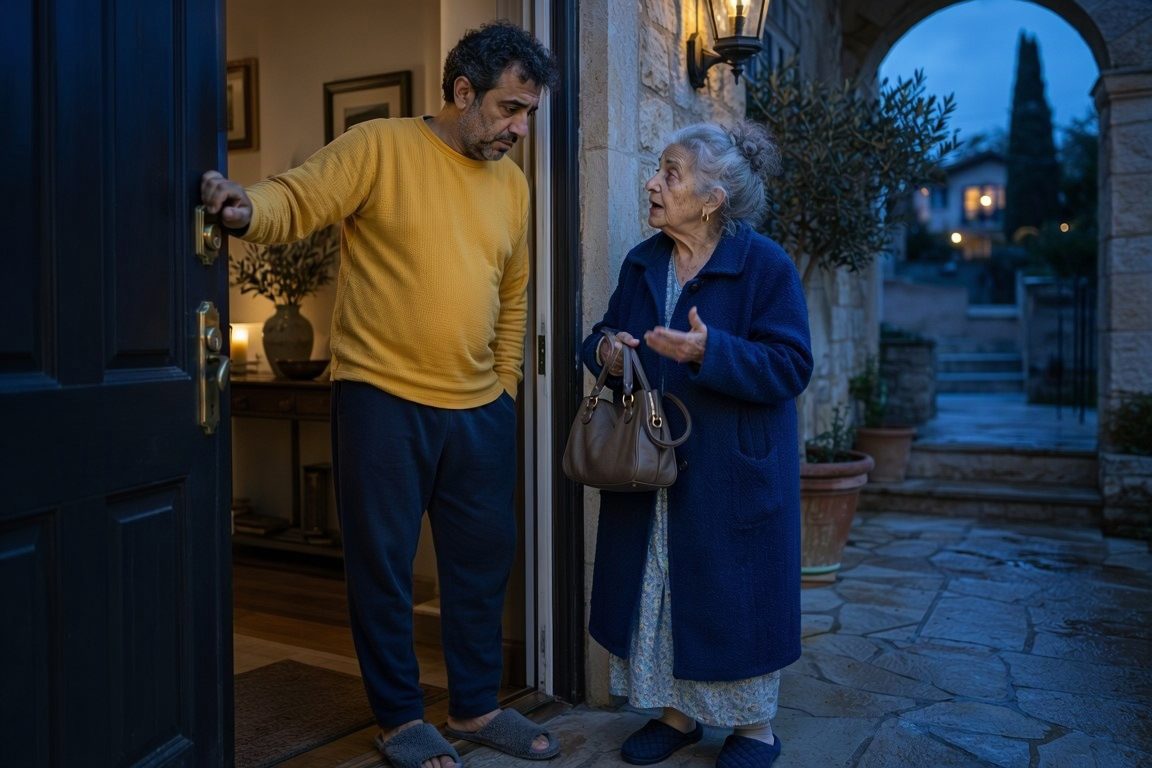
Step by step
What not to do
- Don't wait for a crisis, a fall, hospital discharge, or dangerous wandering episode, to start looking; the worst time to search for a facility is when your loved one is being discharged or evicted, because you'll have no time to tour, compare costs, or check references.
- Don't lie about the move or trick your loved one into it; telling them it's just a visit breaks trust and surprise relocations cause transfer trauma. Use simple, honest, loving language instead.
- Don't promise early on that you'll 'never put them in a home', the disease will change what's possible, and that promise can trap you in an unsafe situation. Instead say, 'I will always do what's best for you, even if that means getting help.'
- Don't make the decision alone out of pride or fear of judgment; involve siblings, your doctor, a support group, a social worker, or an elder-law attorney.
- Don't argue or try to reason a middle- or late-stage person out of distress about the move, arguing increases agitation; use a calm, simple explanation and redirect to a pleasant activity.
- Don't compare your situation to other caregivers who keep their loved one at home; your decision must fit your own reality.
- Don't assume every facility offers the same care or will accept someone who wanders or shows aggression, tour with a checklist and ask directly about their policies and dementia experience.
- Don't ignore one warning sign as 'not enough', evaluate cumulative risk; but also don't delay when even a single serious safety threat (like elopement near traffic) appears.
- Don't sign a contract you don't fully understand, clarify all fees, what is and isn't covered, care-escalation policy, fee increases, and discharge rules.
- Don't assume Medicare or standard health insurance covers long-term custodial memory care, costs often run $5,000–$10,000/month and require planning via private funds, long-term care insurance, or Medicaid.
- Don't expect the first facility to be perfect; if your loved one is unhappy or unsafe, be willing to move them again rather than staying out of guilt.
- Don't ignore your own physical limits, if lifting, transferring, or sleep deprivation puts either of you at risk, treat it as a safety emergency.
Key points
- Safety is the top signal: persistent wandering despite alarms/locks/GPS, falls, leaving appliances on, admitting strangers, and inability to handle emergencies mean home is no longer safe.
- Caregiver burnout is a valid, sufficient reason, exhaustion, snapping, emotional numbness, declining health, or inability to lift/transfer all count.
- Start touring early, before a crisis forces a rushed, poor-fit placement; placements and Medicaid approvals can take months.
- By the time you're asking 'Is it time?', the answer is often yes, trust your instincts and the data in your incident log.
- Social isolation can be a hidden reason to move: some people with dementia thrive in structured, social memory-care settings.
- Sudden behavior changes (new agitation, severe sundowning) may signal a treatable medical issue, rule that out with a doctor first.
- Placement is not a failure or abandonment; it can improve your loved one's safety, engagement, and quality of life, and preserve your relationship.
- Involve your loved one as much as their capacity allows, use familiar items and consistent routines, and give everyone weeks to adjust.
Videos
 Should you let your loved one with dementia who is in a nursing home visit their old home? 6 SIGNSHelps you understand the emotional and safety considerations around visits after placement, which can affect your decision-making.
 Is Your Loved One Ready for a Dementia Care Facility?Provides a structured way to evaluate readiness, including signs like wandering and caregiver stress.
 Top 3 signs your loved one with dementia needs nursing home careConcise overview of the most critical signs, reinforcing the points in this article.
 Is It Time For Memory Care? 9 Signs That It Is Time To Consider ItExpands on nine specific signs, including incontinence, hoarding, and unsafe cooking, which are covered in this guide.
8 more videos
 How Do You Know When It's Time To Put A Loved One In A Nursing Home?Addresses the emotional and practical aspects of the decision, including guilt and how to talk to family.
 Top 3 Signs Your Loved One Needs Nursing Home CareAnother perspective on the top signs, useful for reinforcing the message from different experts.
- Michala Gibson & Mandy Shoemaker Founders of Prairie Elder Care and ConnectivitiesThis video offers insights from facility founders on what to look for in a care community and how to know when it’s the right time to move.
 Tips For Moving Someone With DementiaPractical, step-by-step advice on how to make the actual move less traumatic, including what to pack and how to prepare the environment.
 How Do I Know if a Parent Needs Memory Care or Assisted LivingHelps you distinguish between the two types of facilities, which is crucial for matching your loved one’s needs to the right setting.
 When Is It Time for a Nursing Home? Alzheimer's Dementia CareA direct, compassionate discussion of the signs that indicate a nursing home is needed, including medical and safety factors.
 How To Choose a Memory Care Facility For DementiaThis video walks you through the exact criteria to look for when touring memory care facilities, helping you avoid common pitfalls.
 Is It Time to Move Mom/Dad to Assisted Living? 4 Questions Families Can Answer TodayA simple framework of four questions to help you assess whether your loved one's needs have outgrown home care.
Background
Understanding the situation
Dementia is progressive, and the level of supervision and medical care a person needs eventually outgrows what one or two devoted people can safely provide at home, no matter how much they love them. Many caregivers feel guilt, grief, or a sense of betrayal when they consider a move, especially if they once promised to keep their loved one home forever. But experts (including Teepa Snow and others) note that by the time a caregiver is asking 'Is it time?', the answer is usually yes, often months earlier than they realize. The decision is rarely about 'Can I still manage?' and more about 'Is this arrangement safe for both of us?' There is a 'sweet spot' for moving: not so early that the person is under-stimulated in an overly restrictive setting, and not so late that a crisis (a fall, hospitalization, or dangerous wandering episode) forces a rushed, traumatic, poorly matched placement. Placement is not giving up, it is adapting to the disease, and many families find their loved one actually improves (gaining weight, making friends, enjoying activities) while the caregiver finally rests and reclaims the role of family member instead of full-time nurse.
Practical tools
16
'Is It Time?' Monthly Symptom Checklist
Review once a month and check any that apply:
Answering YES to three or more means it's time to actively begin touring and planning.
Weekly Safety Assessment Checklist
Review every week:
Three or more 'yes' answers means start facility tours now.
Safety vs. Stress Checklist (3-column)
Make three columns on a page. Column 1, 'Current Safety Risks' (wandering, falls, leaving stove on). Column 2 , 'Caregiver Stress Signs' (sleeplessness, irritability, health decline). Column 3 , 'Loved One's Quality of Life' (isolation, depression, weight loss). If two or more items appear in any single column, seriously consider a move.
Wandering Risk Log
A daily log to document every wandering incident, near-miss, and episode of location disorientation (with date, time, and location). Bring it to appointments and tours to show clinicians and facilities the true level of supervision your loved one needs.
'Move When…' Quick Directives
Use these as fast decision cues.
Caregiver Burnout Self-Assessment
A brief weekly checklist to monitor your sleep, physical symptoms, irritability, and emotional reserve. Score yourself each week; a worsening pattern signals it's time to get more help or begin placement planning.
Burnout Self-Check Journal
Each day, rate your stress from 1 to 10 and write down one thing you did for yourself (even a 5-minute walk). If your stress stays at 7 or higher for two weeks, or you're relying on alcohol or sleep aids to get through the night, talk to your doctor and accelerate the facility search.
Caregiver Health Check Self-Rating
Set a weekly alarm and rate yourself 1–10 on sleep quality, energy, mood (anxiety/depression), and physical health; also ask:
If your average drops below 5 for two weeks in a row, or any answer is 'no,' schedule a doctor's appointment and seek more support, your well-being is part of your loved one's care plan.
8 more tools
Doctor's Visit Script & Preparation Sheet
Before the appointment, write down:
Then ask: 'Dr. [Name], I'm worried about safety at home. Can you assess whether 24-hour care is needed? What stage is my loved one in? Are there any medical reasons, falls, infections, weight loss, making home unsafe, and what level of care do they need?' Take notes or, with permission, record the conversation.
Exact Phrases to Say (the 'we/help' language, and why never to lie)
Lead with 'we' and 'help,' stay calm, and never pretend it's only a visit. Try: 'I know this is hard. I'm here with you. We're going to a place where people will help us both.' If they ask why: 'Because I need help taking care of you the way you deserve.' Other gentle openers: 'Mom, there's a place where nurses are there all night so you won't be alone, can we look together?'; if they resist: 'Let's just visit one place, no commitment.'; for redirection on move day: 'We're going to a new place today with a beautiful garden and people who will take care of you while I run errands, let's go see it together.' Reassuring version once settled: 'This is your new home where people will help you stay safe. I'll visit you often, and we'll make your room cozy with your favorite things.' AVOID: 'You can't stay home anymore,' 'You're too much for me,' arguing, over-explaining, or lying about a 'visit.' Repeat the same simple, loving message each time they ask.
Facility Comparison Worksheet
Make a table and fill it out on each tour (compare at least three):
Facility Tour Question Card
Ask on every tour:
Transition Kit
Pack and place these in the room BEFORE move-in to soften the new environment:
Life Story & Personal Preferences Form
Fill out a one-page form before move-in day and keep a copy in the room:
Legal & Financial Planning + Document Checklist
Start 6–12 months ahead with an elder-law attorney. Review:
Gather these documents: power of attorney (financial AND healthcare), advance directive or living will, long-term care insurance policy, recent tax returns, Social Security info, bank/investment account details, and a list of monthly expenses. Note that Medicare does NOT cover custodial memory care.
Move-Day Outing Tactic
To reduce trauma on the actual move day, arrange for one trusted family member to take your loved one on a pleasant outing while others handle the physical transfer and set up the room. They return to a room that already feels familiar. Alternatively, arrange a short trial stay first. If severe distress occurs, pause and consult facility staff or a professional.
Different situations
Lewy body or Parkinson's dementia: Expect hallucinations, fluctuating cognition, movement/balance problems, and extreme sensitivity to medications (especially antipsychotics, which can be dangerous). A move may need to happen earlier due to fall risk and severe rigidity. When touring, ask specifically about staff trained to manage hallucinations WITHOUT antipsychotics, physical therapy availability, and fall-prevention measures. Sudden extreme changes in alertness can signal infection or a medication reaction, call the doctor immediately.
Frontotemporal dementia (FTD): FTD often affects behavior and judgment earlier than memory. Your loved one may not wander but may show impulsive or socially inappropriate, unsafe behaviors, so the decision to move may come sooner and be driven by behavioral challenges rather than memory loss. Look for facilities with genuine behavioral-management experience, not just standard memory care.
Late-stage dementia (FAST stage 6–7): The person likely needs total 24/7 help with eating, toileting, bathing, turning to prevent pressure sores, and may be bedbound or unable to communicate pain. Skilled nursing or memory care with 24-hour nursing is usually necessary; prioritize facilities with a hospice partnership or palliative-care team. Because the person can't report pain, ensure the facility uses a tool like the PAINAD scale, and advocate intensely for pain management and dignity. The move itself may be less traumatic due to limited awareness.
Early-onset Alzheimer's (under 65): These individuals are often more physically active and cognitively aware than typical residents. Seek facilities with younger residents or early-onset programs and more stimulating activities (art, music therapy), and check the visitor policy since younger spouses often want to visit frequently.
Spouse caregiver vs. adult child: Spouses often feel a deeper sense of duty or betrayal and may delay placement longer, sometimes endangering their own (often older) health; if you have a heart condition or diabetes, caregiving stress can be life-threatening, so prioritize your own checkups and consider couples counseling or a spousal-caregiver support group. Adult children may feel guilt about 'putting Mom in a home' but usually have more emotional distance to see safety risks clearly; involve siblings and share tasks before placement.
Already in a facility (e.g., assisted living) needing a higher level of care: If your loved one now needs 24/7 nursing or memory care due to wandering out, repeated falls, aggression toward staff, not eating, or medication mismanagement, they may need to move again. Try a memory-care unit on the same campus or a 'step-up' program to minimize disruption. Work with the current facility's social worker, and reuse the same transition kit and gentle language, a second move can be especially traumatic.
Limited finances or Medicaid: Start the Medicaid application early (it can take months) and contact your local Area Agency on Aging for facilities that accept Medicaid; many have limited 'Medicaid beds' and long waitlists. Medicaid typically covers nursing-home care but not assisted living; ask about each facility's Medicaid-conversion policy and spend-down requirements. An elder-law attorney or geriatric care manager can help protect assets, and a hospital social worker can assist in a crisis. Some states offer home- and community-based waivers as an alternative.
Common questions
8
Trust the timing rule of thumb: if you're already asking 'Is it time?', it's usually time, often about three months earlier than caregivers think.
Use a free senior placement agency to match facilities to your loved one's needs and budget, especially when comparing many options.
Reframe the choice for yourself and skeptical family: this is choosing a different LEVEL of care, not 'giving up' or abandoning your loved one.
Expect a wave of mixed emotions after the move, guilt, grief, AND relief are all normal; join a caregiver support group and consider counseling.
Many families report their loved one becomes happier and healthier within weeks of a good placement, gaining weight, making friends, and re-engaging.
Keep your conversation scripts saved on your phone so you have calm, consistent words ready in stressful moments.
If a facility ever feels unsafe or like a poor fit, document concerns and be willing to move your loved one again rather than staying out of guilt.
If you're in a crisis right now (a pending hospital discharge or eviction from independent living), call a geriatric care manager or hospital social worker immediately for emergency placement help.
For the doctor
1
- Ask your loved one's doctor: 'What stage of dementia is my loved one in, and does that stage require 24-hour supervision?' 'Could wandering, agitation, or sundowning be caused by a treatable issue like a UTI, pain, or a medication side effect, and could treating it buy us more time at home?' 'What level of care do they medically need, assisted living, memory care, or skilled nursing, and can you recommend facilities for that level?' 'Are there medications or non-drug strategies that could safely reduce aggression, hallucinations, or wandering, and what are the risks?' 'How can I tell if my loved one is in pain when they can't tell me, should we use a tool like the PAINAD scale?' 'For late-stage care, should we consider a palliative or hospice consult?' 'Can you refer me to a geriatric care manager or social worker to help evaluate facilities and coordinate the transition?' 'If my loved one is resistant, what are the safest, most compassionate ways to handle the move?' And ask your OWN doctor: 'Given my health and stress, is it safe for me to continue as primary caregiver?' Never start, stop, or change any medication without your clinician's guidance.