Step by step
What not to do
- Move the resident without prior notice or explanation, even if cognition is impaired.
- Remove all familiar objects from the old space before the resident leaves.
Key points
- Relocation is one of the most stressful events a nursing home resident can experience, with potential negative effects on physical, cognitive, and psychological health.
- The period between hearing about the move and the actual relocation is often the most tumultuous; start preparing early with gentle, simple communication.
- Your presence and active involvement before, during, and after the move are the most powerful tools to reduce trauma and support adjustment.
- Poor communication between care teams is a common cause of medical errors during transitions; provide a written summary of medications, routines, and preferences to the new facility.
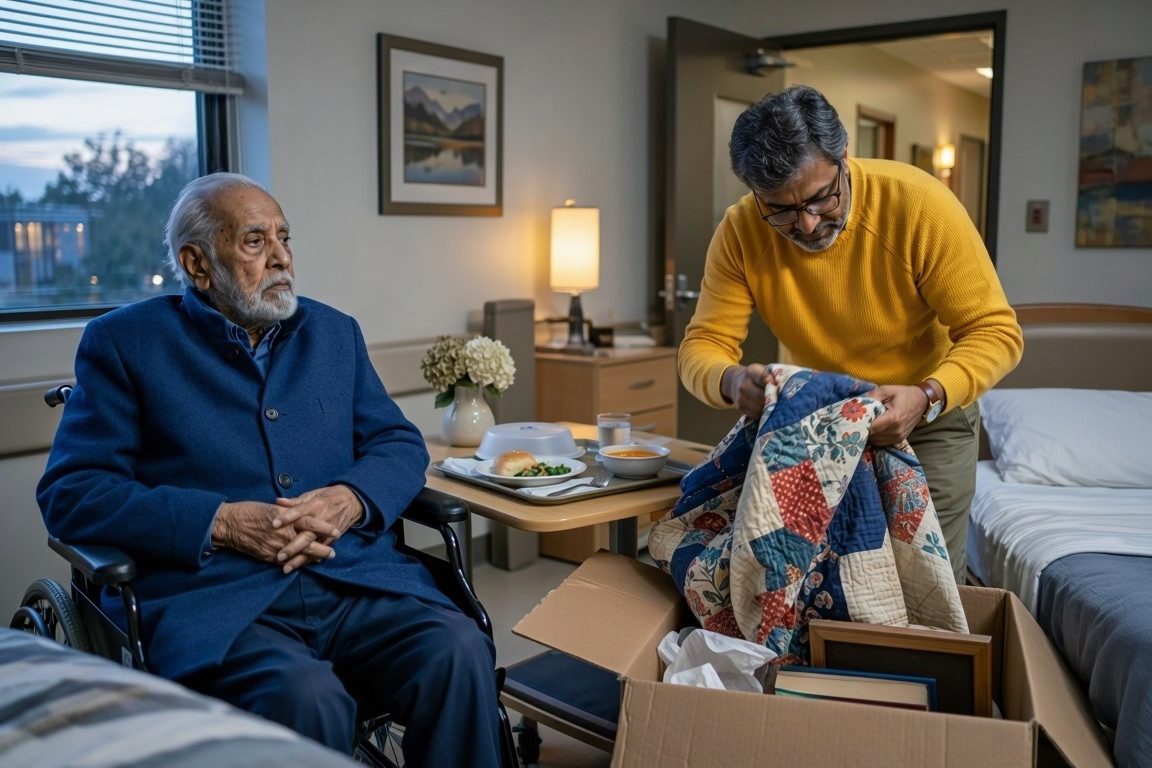
- Pack familiar items discreetly and set up the new room to feel like home before the resident arrives.
- Monitor for signs of distress, withdrawal, refusal to eat, agitation, and respond with calm reassurance. If symptoms persist, seek medical advice.
- Take care of your own health and emotions; caregiver guilt and exhaustion are normal, and seeking support is a sign of strength, not failure.
- Adjustment takes time, be patient, celebrate small wins, and request a care conference if progress stalls.
Videos
 Caregiving: Pros and Cons of Putting Elderly Parents Into a Nursing HomeThis video helps you weigh the difficult decision of nursing home placement, addressing the guilt and practical considerations that often accompany relocation.
 How Do You Know When It's Time For A Nursing Home?Provides clear signs that a move may be necessary for safety, which is the number one reason for relocation, and helps you feel more confident in your decision.
 Tips For Moving Someone With DementiaOffers practical, step-by-step advice specifically for moving a person with dementia, including how to pack discreetly and create a warm welcome in the new setting.
 Top 3 Signs Your Loved One Needs Nursing Home CareFocuses on safety indicators like falling, inability to detect danger, and emergency response, key factors that often trigger relocation decisions.
2 more videos
 What Level Of Care Does A Dementia Patient Need?Helps you understand the continuum of care, from independent living to memory care to nursing homes, so you can choose the right setting for your loved one's needs.
 When Is It Time for a Nursing Home? Alzheimer's Dementia CareAddresses the emotional and practical aspects of deciding when to move a loved one with Alzheimer's, including how to involve the person in the process when possible.
Background
When Relocation Is Necessary: Safety First
The number one reason for moving a resident into or within a nursing home is safety. This might mean that the current setting can no longer meet the resident's needs, for example, if they are falling frequently, wandering, or unable to detect dangerous situations like letting strangers into their home. For residents with dementia, safety concerns often escalate when they no longer know what to do in an emergency or when they give out personal information to strangers. In these cases, relocation is not a failure on your part; it is a necessary step to protect your loved one. The decision is rarely easy, and you may feel guilt regardless of what you choose. But as one expert notes, 'Sometimes placing your loved one in a nursing home is the best thing to do for your loved one.' Your job now is to make that transition as smooth as possible, using the steps below.
Practical tools
2
Relocation Preparation Checklist
A structured list of tasks (e.g., visit schedule, item packing, staff briefing) to ensure key steps are not missed.
Personal Item Transfer Kit
A pre-packed bag containing the resident’s favored photos, a familiar blanket, and a small object from their prior room.
Different situations
For residents with dementia (especially Alzheimer's or Lewy body dementia)
The risk of transfer trauma is higher. Use even simpler language and repeat key phrases often. Avoid abstract explanations; instead, focus on the immediate sensory environment. For example, say, 'This is your new bed. Feel how soft the blanket is.' If the resident has visual hallucinations (common in Lewy body), ensure the new room has good lighting and minimal clutter to reduce confusion. Discuss with the clinician about using a short-term calming medication during the first few days of transition, if appropriate. The adjustment may take longer, be patient and do not expect full orientation for several weeks.
For late-stage residents (who require full assistance with all activities of daily living)
The focus shifts from cognitive adjustment to physical comfort and safety. Ensure the new bed is set up to prevent pressure sores, and that the call button is within reach. Bring familiar bedding and a favorite stuffed animal or soft object for comfort. The resident may not verbally express distress, so watch for non-verbal cues: grimacing, restlessness, or changes in breathing. Your presence is still vital, sit quietly beside them, hold their hand, or play their favorite music. Discuss with the clinician about pain management and positioning needs.
For family caregivers who are adult children vs. spouses
Adult children may feel more guilt about 'placing' a parent, while spouses may feel a deep sense of loss and loneliness. If you are an adult child, remind yourself that you are making a safety decision, not abandoning your parent. If you are a spouse, consider joining a support group specifically for spouses of nursing home residents, you are not alone. Both roles benefit from clear communication: adult children should coordinate with siblings to share visiting duties; spouses should prioritize their own health and allow themselves to grieve the change in their relationship.
For residents moving within the same facility (e.g., to a different ward)
This type of relocation can be less traumatic because the environment is somewhat familiar, but it still requires preparation. The resident may know the building but not the new staff or roommates. Use the same steps: visit the new room beforehand, pack familiar items, and be present on moving day. The advantage is that the care team may already know the resident, use that continuity to your advantage. Ask the current staff to introduce the resident to the new team in person before the move.
For residents moving between facilities (e.g., from home to nursing home, or from one nursing home to another)
This is the most disruptive type of relocation. The resident loses all familiar faces and routines. Preparation is even more critical. If possible, arrange for a 'trial visit' where the resident spends a few hours or a day at the new facility before the move. Bring a 'transition object', something that was always with them at home, like a favorite chair or a quilt. Expect a longer adjustment period, and plan for more frequent visits in the first two weeks. Discuss with the clinician about the risk of falls and medication changes during this high-stress period.
For the doctor
5
- If the resident stops eating or drinking for more than 24 hours after the move, discuss this immediately with the clinician. This can be a sign of depression, a medical issue, or a refusal to adapt, and may require medical intervention.
- If the resident has a history of falls, ask the clinician about a fall risk assessment in the new environment. The unfamiliar layout can increase fall risk, and the care team may need to implement additional precautions like a bed alarm or non-slip footwear.
- If the resident is on multiple medications, ask the clinician to review the list after the move to ensure no doses were missed or duplicated during the transition. Poor communication between facilities can lead to medication errors.
- If the resident shows signs of severe anxiety, agitation, or aggression that does not improve with reassurance, discuss with the clinician whether a short-term medication adjustment is appropriate. Do not start or stop any medication without a doctor's guidance.
- If you are considering a relocation for safety reasons (e.g., frequent falls, wandering), discuss the timing and risks with the clinician. They can help you weigh the benefits of the move against the stress it may cause, and may recommend a gradual transition if possible.